


Cynthia Philisiwe Shange’s story stretched from Lamontville to international stages, carried by a presence that never asked to be softened or contained. Across film, television, and public life, she brought a grounded humanity that made people feel seen, while remaining a steady, loving figure within her family.
By Themba Khumalo
Some lives do not merely pass through history, but shape it—lives that, like a river, carve new paths through the hardest stone.
Cynthia Philisiwe Shange was such a life: steady, forceful, and impossible to ignore.
From the streets of Lamontville to the world stage, she moved with a quiet certainty that created space where none had existed.
How do you say farewell to a woman whose life carried that kind of weight? Cynthia was never merely a beauty queen or an actress. She stood for something deeper—a refusal to be reduced, a way of moving through a world set against her without ever shrinking to fit it.
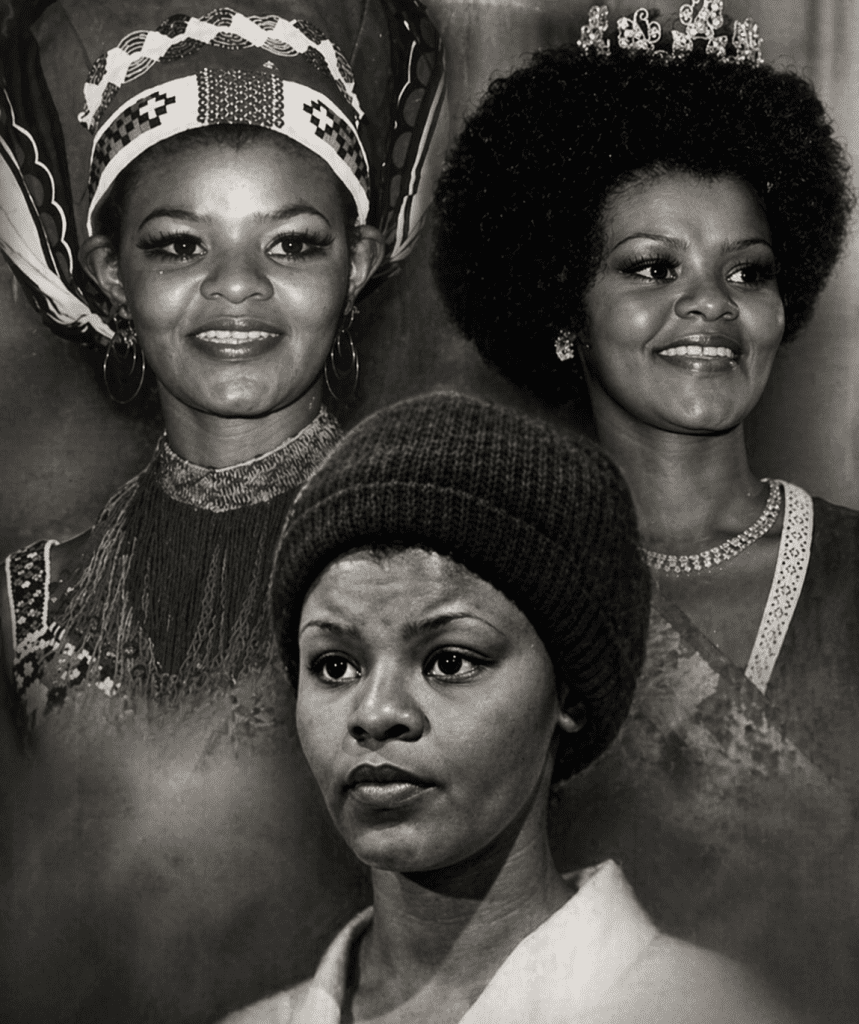
Born in Durban on 27 July 1949, she grew up in Lamontville at a time when dreams were expected to stay small. But Cynthia did not carry herself like someone waiting for permission. Even then, there was a sense that she understood something others did not—that her life would reach beyond the limits placed before her.
She came of age under apartheid, in a system that was deliberate in its cruelty. It was designed to confine, to diminish, to decide in advance who mattered and who did not. Like so many Black children, she was meant to be made small. She refused.
Crowning Glory in a Divided Land
Before the national stage, there was Miss Natal—a win that mattered in its own right, and one that signalled early that Cynthia was not going to be easily overlooked. It set her on a path that would soon test the limits of the country she represented.
In 1972, she won Miss Black South Africa. It was more than a title; it was a statement in a country that policed visibility itself. That victory carried her to London for the Miss World pageant—but even there, apartheid followed. She could not compete as Miss South Africa. The regime would not allow a Black woman to represent the country. Instead, she was given the compromised title “Miss Africa South,” a label designed to keep her visible, but separate.
Even within those constraints, she stood out. Her presence cut through the politics of the moment. Finishing in the top five, she did more than place well—she forced recognition in a space that had not been built for her.
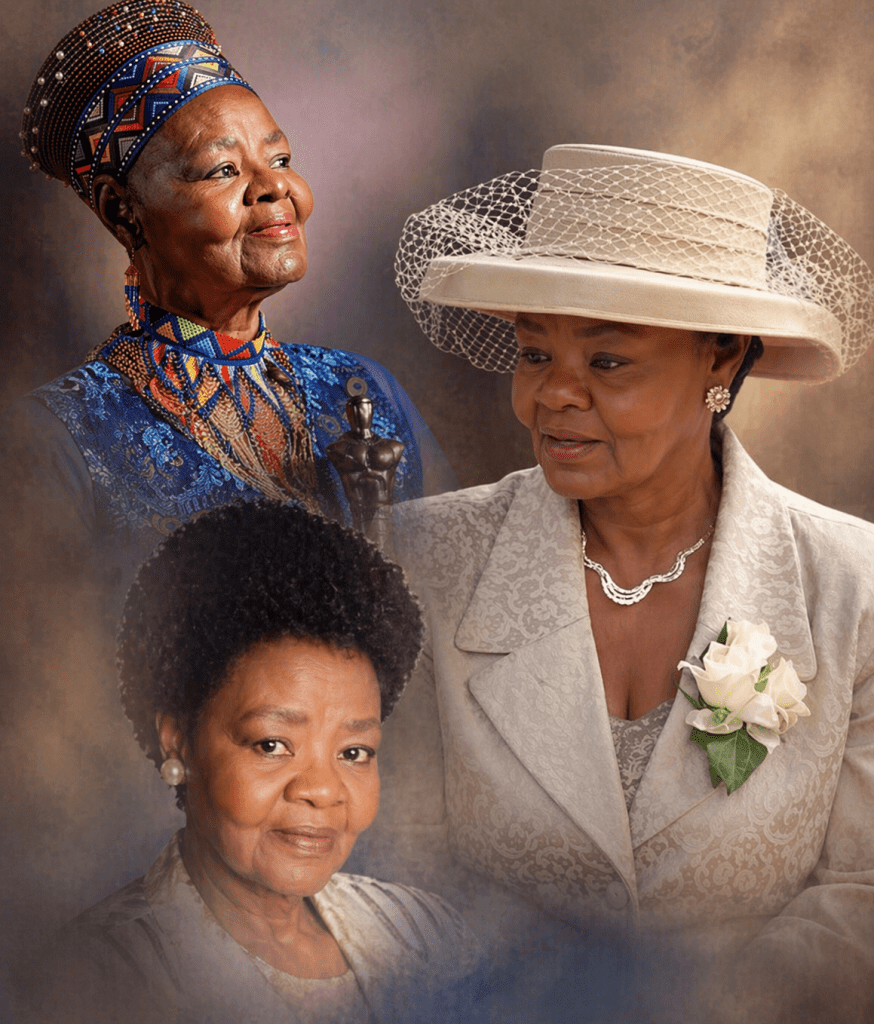
At home, the contradictions remained. The same country that had sent her abroad still expected her to enter through back doors, still struggled to fully acknowledge what she had achieved. That tension sat at the centre of her story: celebrated at a distance, restricted up close. She carried it without spectacle, but never without awareness.
From Screen to Soul: An Actress Who Made Us See
Cynthia did not allow the crown to define the limits of her work. She stepped into film at a time when Black stories were rarely centred, taking on roles that mattered beyond the screen.
In uDeliwe, she led one of the country’s first Black-led feature films, a role that mirrored the journey of many who had moved from rural life into the city in search of something more. She also appeared in Inkedama and Isivumelwano, building a body of work that spoke directly to Black audiences who had long been sidelined.
“A graceful and compassionate soul whose presence brought warmth, dignity, and kindness to all who knew her. We honour her journey, her strength, and the love she shared so generously.” – Nonhle.
Her later role in Shaka Zulu brought her to international viewers, while Muvhango made her a familiar and steady presence in South African homes. As the mother of Thandaza, she brought a sense of lived truth to the screen—firm, warm, and recognisable.
What she offered as an actress was not spectacle. It was recognition. She allowed people to see themselves without distortion.
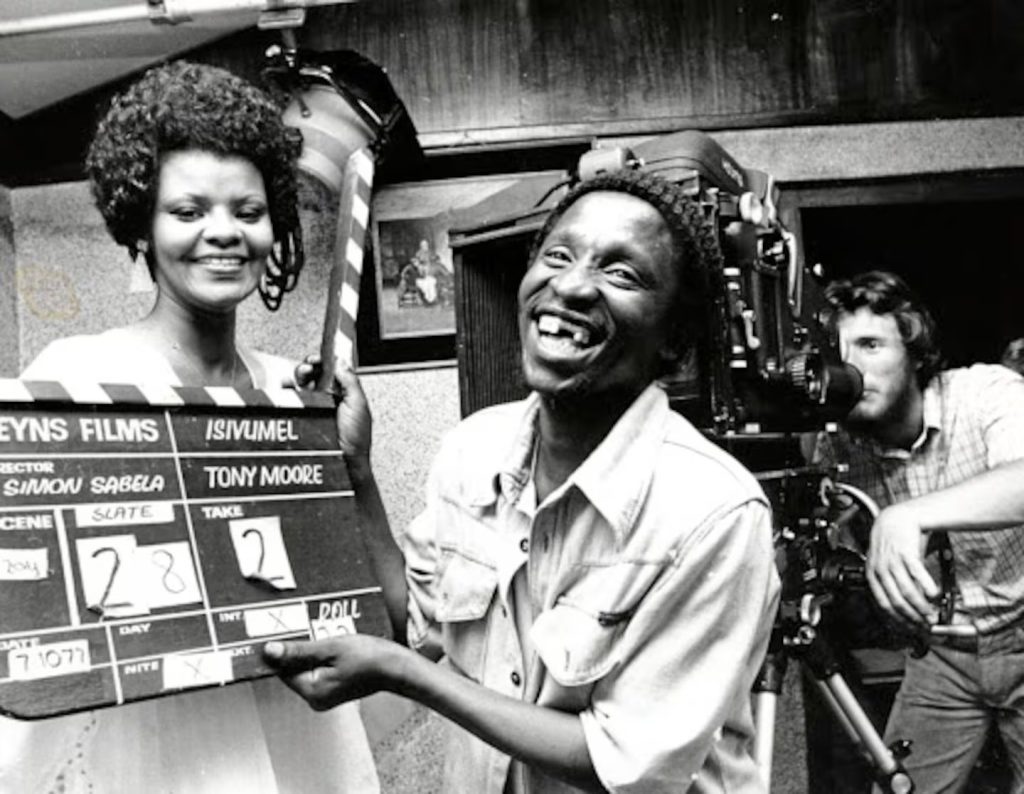
A Life That Opened Doors
Recognition did come over the years, including Lifetime Achievement Awards from the SAFTAs and, in 2024, the Simon Mabhunu Sabela KZN Film and Television Awards in Durban.
Her presence at the 2024 ceremony was magnetic—she truly stole the show as she received recognition for her remarkable career.
Reflecting on the honour in an interview with Sunday World, Cynthia expressed heartfelt gratitude and disbelief: “I am thrilled, what else can I say. I am grateful. It feels like a dream, but I am honoured.”
Yet, even amidst the celebration, she acknowledged a bittersweet longing for those who once shared her journey: “Most of them are gone, and I wish they were here with me.”
When asked about the secret to her enduring success, Cynthia credited her authenticity. “I am just me, what you see is what you get. I don’t change or try to pretend to be somebody else,” she explained.
This steadfast commitment to being true to herself has been the cornerstone of her longevity in the industry.
But her significance does not rest on trophies. It rests on what shifted because she existed.
She made it possible for others to step forward without carrying the same weight of firsts. She expanded what could be imagined—on screen, on stage, and in the public eye.
A Mother, A Matriarch, A Steady Centre
Away from her public life, Cynthia was grounded. A mother to Sihle, Nonhle, Ayanda, and Benele, and a grandmother, she carried her roles at home with the same quiet strength that marked her career.
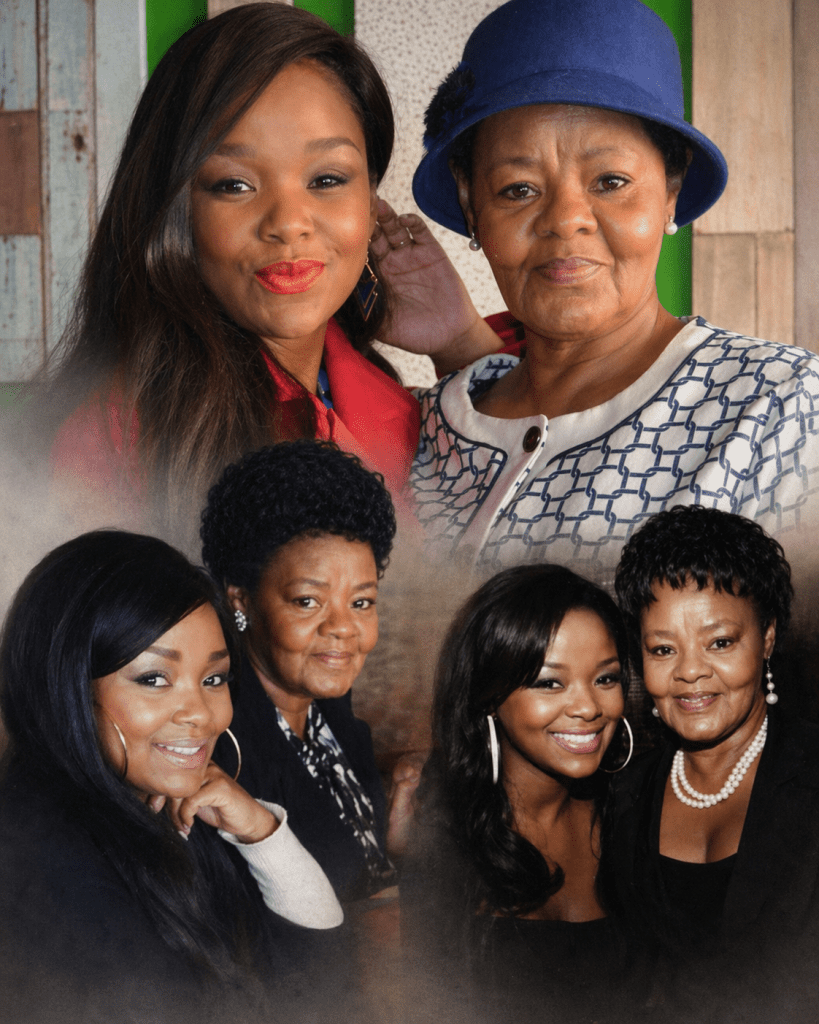
Those who knew her speak of her kindness, her patience, and the ease with which she connected with people. Nothing about her warmth was performative. It was simply who she was.
An Enduring Light
On 20 April 2026, Cynthia Shange passed away in a KwaZulu-Natal hospital. The news landed heavily—not because it was unexpected, but because it marked the end of a presence that had long felt constant.
Her life cannot be reduced to titles or timelines. She was part of a generation that had to fight to be seen at all—and then chose to be seen fully.
If her story carries anything forward, it is this: dignity does not wait for permission. It insists. It moves. It reshapes the ground beneath it.
And like the river she so closely resembled, Cynthia Shange did not ask for space. She made it.