

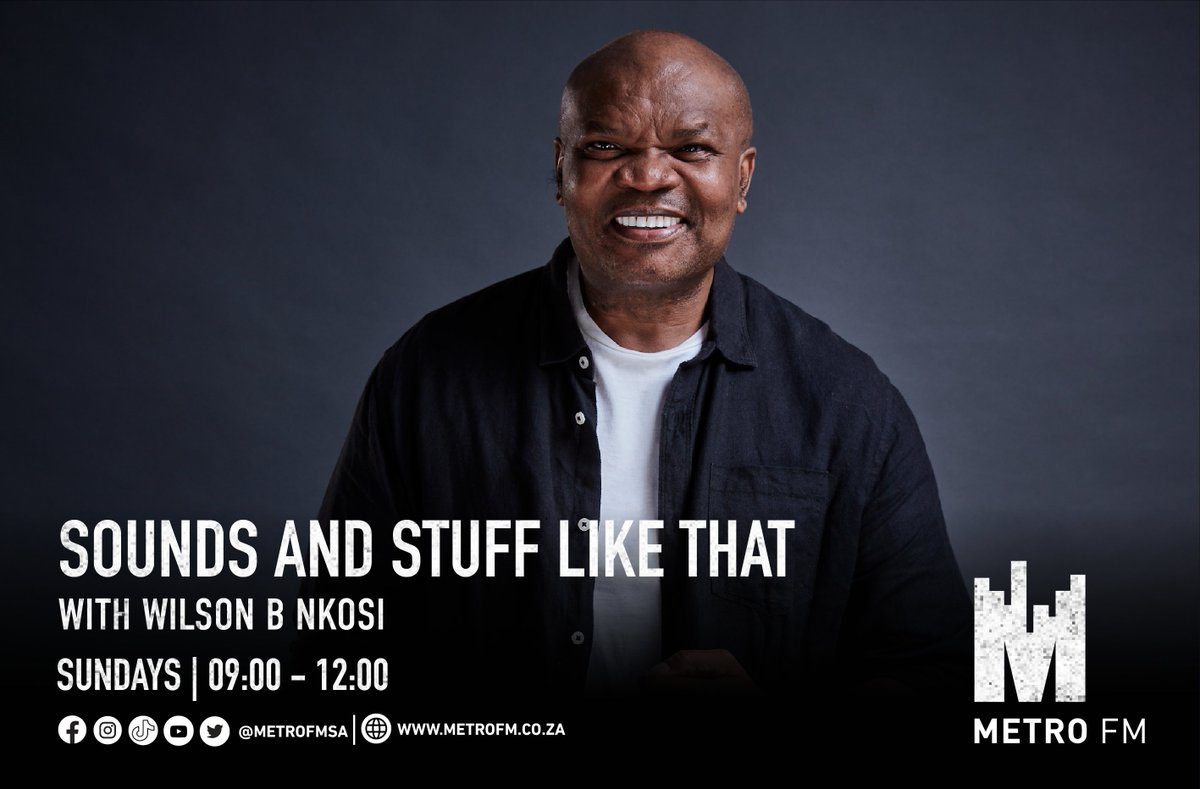
The voice, you know. You have always known it — on the radio — and you have seen him on television. But the man himself, who he truly is, where he comes from, what stirs his soul and what drives him — that has remained a quiet, closely guarded mystery. For forty years, he has stood in plain sight, yet just out of reach. Well…until now.
By Themba Khumalo
For nearly four decades, Wilson B. Nkosi’s voice has been a companion — in cars, in homes, on lazy Sunday mornings when South Africa slows down and simply listens.
Somewhere along the way, his voice became the heartbeat of our radio. But the man himself? His story, his journey, the life behind the microphone? That, somehow, remained beautifully, quietly untold. Until now.
On 10 May 2026, at 9.30 pm, SABC2 premieres Wilson B. Nkosi — a documentary that steps behind the voice to reveal the man most South Africans have heard but never truly known.
Nearly 40 years ago, a nineteen-year-old Wilson B. Nkosi walked into an audition for Radio Metro — a station that had not yet found its voice. He had never worked in a radio studio before. It was during his formative years in Swaziland that his fascination with music and radio had taken shape — interests that would later guide him toward a career in broadcasting.
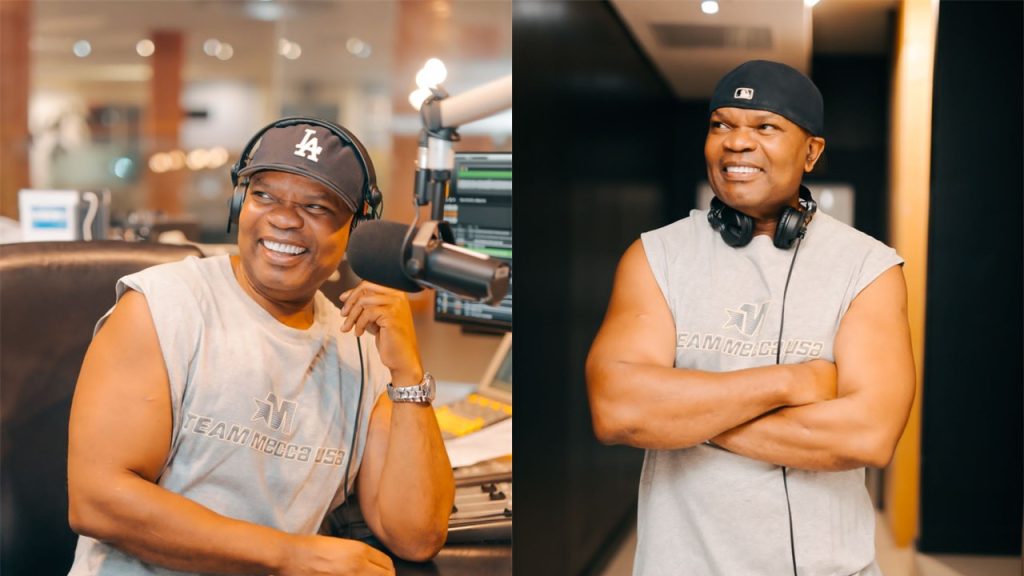
Reflecting on that beginning, Nkosi has often spoken about the people who believed in him when he was just a young man with a dream of working in radio.
“I thank those who took a chance on me and those who believed in my dream of working in radio. I am grateful to everyone at Metro FM and especially the listeners who trust me with their time when they tune in as I execute my duties; it is time well spent.”
Nkosi’s entry into broadcasting came at a significant moment in South African radio. Radio Metro was launched by the SABC in 1986 to reach urban Black audiences nationwide. It quickly became one of the most influential radio platforms of its time. For a young man who had simply written to the broadcaster expressing a desire to work in radio, the opportunity proved life-changing.
When Radio Metro went on air in September 1986, he became one of its early presenters, joining a generation that helped define the sound of urban radio in South Africa. Among them were Treasure Tshabalala, Lawrence Dube, Timothy Modise, Shado Twala, Sheila D, Grant Shakoane, Boogie Harry and Lucky Ntuli — broadcasters later informally referred to as part of the station’s early ‘Dream Team’.
“I’m an average person with high aspirations, dreams and goals.”
Bafana Nkhosi
From that moment on, his career would unfold not as a series of fleeting appearances on air but as a steady presence. He would come to define an era of South African radio. Recognition and awards from the industry have followed, though he rarely speaks about them himself.
Long before the era of podcasts, streaming and digital radio, he was already behind the microphone, mastering the craft of speaking to millions of listeners as if to just one. Radio is an intimate medium, and his calm, conversational delivery quickly set him apart. Listeners felt as though he was speaking with them rather than at them.
For many listeners, his voice became one of those quiet constants of daily life — present in the background of kitchens, living rooms, cars inching through traffic, and mid-morning on Sundays when the pace of the day is gentler.
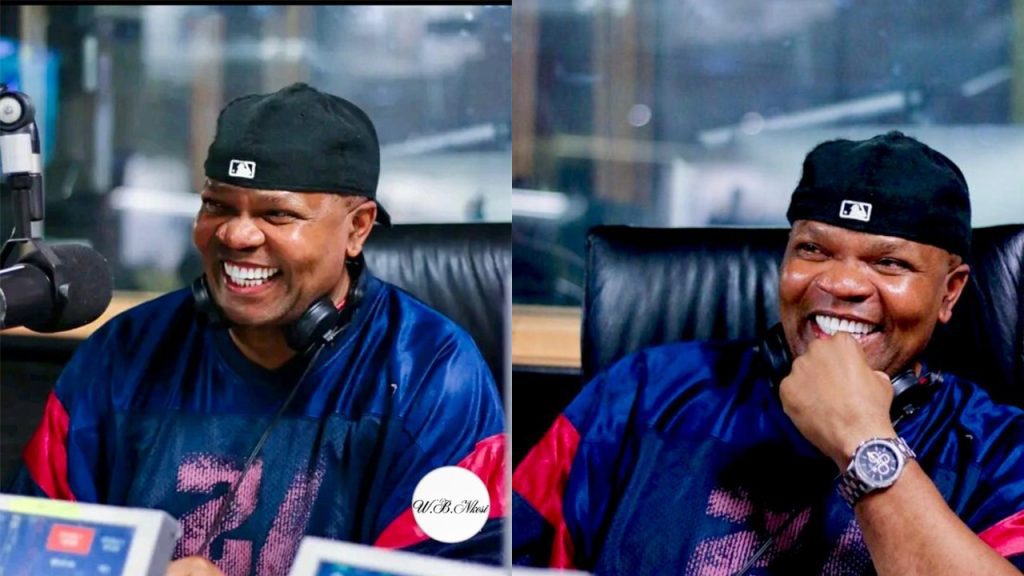
Those who know him away from the studio often speak of a man whose presence contrasts sharply with the reach of his voice. He is described as strong yet reserved, even shy in certain settings. But beneath that quiet exterior lies an unwavering moral compass — a deeply held sense of right and wrong that has guided him throughout his life and career.
In person, he carries a calm authority that reveals itself gradually rather than loudly. Colleagues have likened his demeanour to the quiet majesty of a towering mountain — steady, grounded and reassuring. Even a brief encounter leaves the impression of someone whose presence settles a room rather than dominates it.
Nkosi himself, however, prefers a far simpler description of who he is.
“I am a simple, ordinary person from a humble place among humble people. At best, I’m an average person with high aspirations, dreams and goals.”
Staying on air for almost four decades demands a particular kind of endurance. In an industry where voices come and go with changing tastes, shifting audiences, and evolving formats, very few broadcasters stay at the same station for so long. Yet that is what he has done at Metro FM, quietly navigating the winds of change that have swept through South African broadcasting over the years.
When the question of longevity comes up, he tends to frame it in two ways — one philosophical, the other rooted in everyday reality.
“There are two answers to the question of longevity: a philosophical one and a layman’s take. The philosophical response is that I don’t know. From a layman’s perspective, I could say it’s because I put in the effort, do my homework, show up and deliver. But that would be oversimplifying it because those actions should be the minimum standard.”
It is a disarmingly honest admission from a man who could easily lean on a four-decade track record. He has outlasted formats, management regimes and the arrival of entirely new platforms. Yet he resists the temptation to claim credit for it.
“There has to be more to my time at Metro FM than just hard work, which I don’t discount in any way, shape or form. It has to be in the mix, but hard work alone is not nearly enough to survive the ‘winds of change’ that constantly blow in the industry.”
Radio is a profession that can chew up careers. The industry Nkosi entered in 1986 looked nothing like the one he navigates today — and the one he navigates today will look different again in another decade. That he has remained not just employed but genuinely listened to throughout it is something he attributes, in part, to forces beyond his own making.
“It is for this reason, therefore, that I conclude that my long career in broadcasting is closely linked to the complexity of my life, which consists of many moving parts that function in harmony.”
“All my life, I have had people praying for me. A big part of me believes their prayers have not fallen on deaf ears. I believe that they have been heard.”
He says this without a trace of self-congratulation — and then, almost in the same breath, deflates any sense of exceptionalism.
“There are many people who work just as hard but don’t have the same story to tell.”
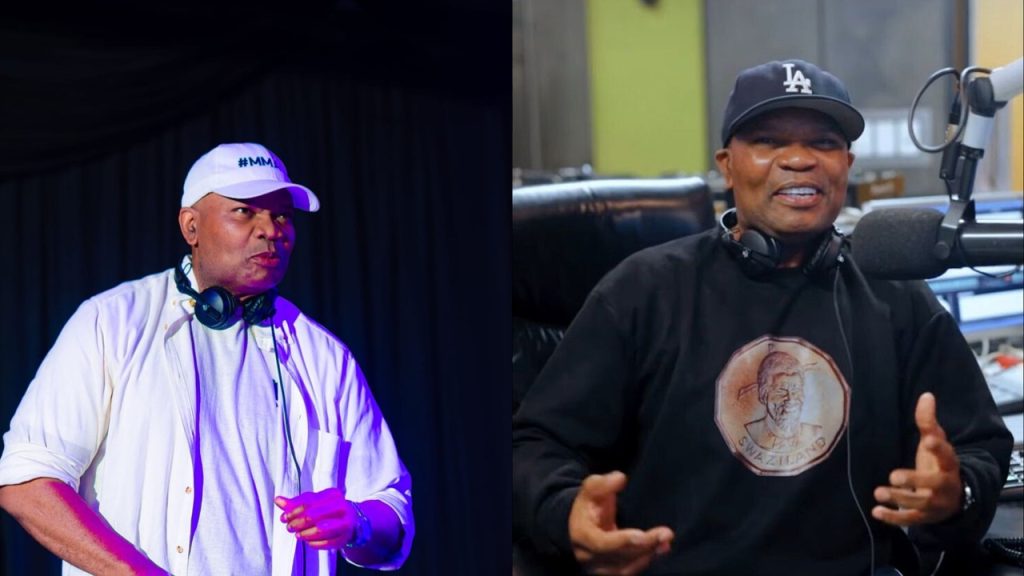
What sets his story apart, he suggests, is not talent or fortune alone, but the quiet, foundational things — the values absorbed long before he ever stood in front of a microphone.
“From an early age, I was told and taught to be respectful. On a good day, I do remember those teachings. I believe they count for something when executed with honesty and sincerity.”
“Also, I never forget the days when I expressed a wish to make this career become a reality. As fate would have it, this wish was generously granted. It therefore means that I have to execute my given responsibility and obligation on air with a certain degree of honesty while making room for my imperfections.”
As his voice became a fixture on the nation’s airwaves, his work began to stretch beyond the radio studio. In 1987, television audiences came to know him through the youth programme Sidlalela Intsha/Ulutsha. Then in 1992 came Jam Alley — the SABC music show that would become a cultural touchstone for a generation coming of age in a rapidly changing South Africa.
At its peak, Jam Alley was appointment television: loud, joyful, and unapologetically of its moment. For Nkosi, one of its three original presenters, it offered a rare glimpse into a more visible, more expressive side of a man most people only heard on the radio.
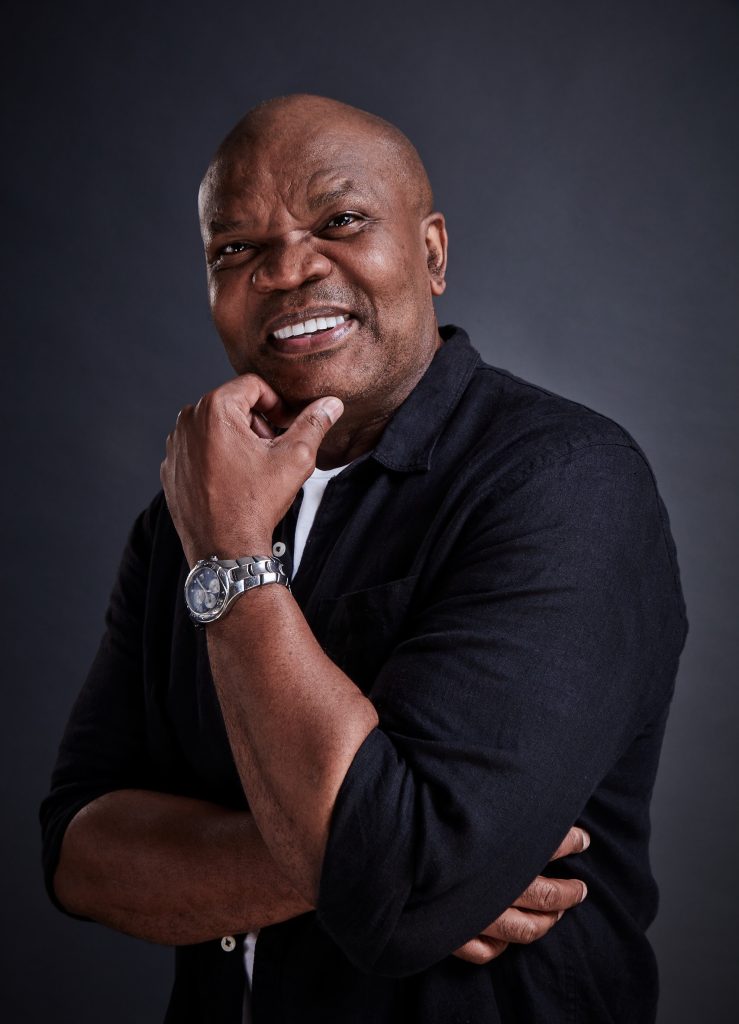
Even as he remained rooted in radio, he quietly built another dimension to his career. In 1995, he founded Wilson B. Nkosi Communications, a company specialising in advertising copywriting, commercial production and voice work — his voice, already familiar to millions of listeners, found its way into advertising campaigns and commercial productions, further establishing him as one of the country’s most recognisable voice artists.
Yet it is radio that has remained the constant thread. Over time, he has become almost inseparable from Sunday broadcasting on Metro FM through Sounds and Stuff Like That. The show’s relaxed, carefully curated music has made Sunday mornings a ritual for many listeners. It also earned him an affectionate title among his audience: The Voice of Sunday.
The Voice. The Man. The Story.
For years, his interviews centred almost entirely on radio — the craft, the discipline and the passion that have sustained his career — while his personal story remained largely in the background.
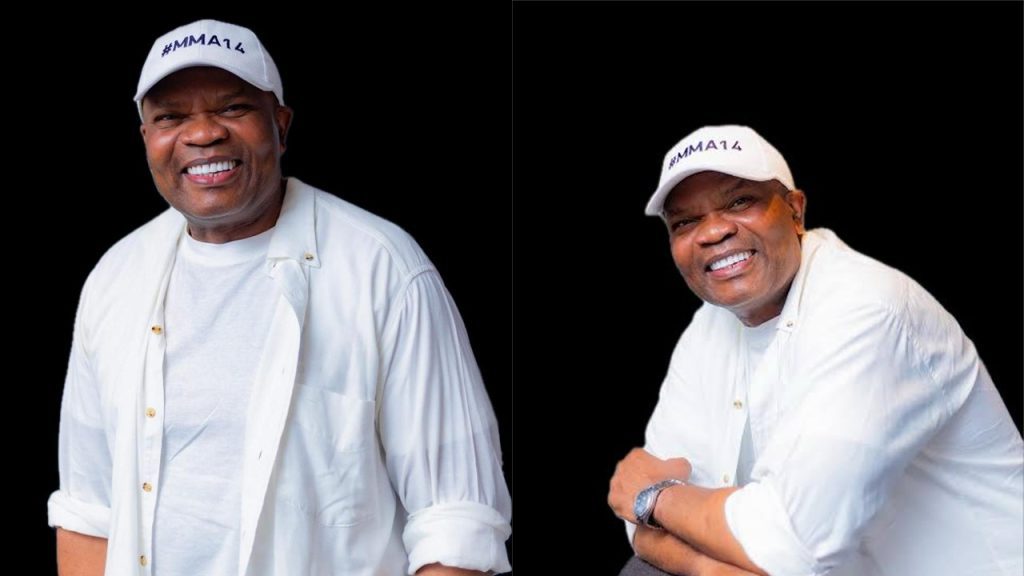
As he explains, that distance was never part of a deliberate plan.
“My professional life has played out in the open all my working life for all to hear and for all to see. In all that time, I’ve heard people from all walks of life expressing the same frustration. Among other things, they say, not much is known about him.”
Listeners, he says, often wondered where he came from, whether he has a family of his own, and what he is like away from work.
Part of the mystery, he admits, lies in his reluctance to grant interviews.
“Among other reasons is the fact that I seldom grant interviews. And when I do, it is usually because someone is holding a gun to my head,” he says, jokingly.
In truth, he says, it simply never occurred to him that his personal story might interest anyone.
“It never occurred to me that anyone could be interested in my life. I’m saying that very sincerely and very honestly. I never thought my life could generate interest in itself. And so the interest flatters and humbles me.”
The documentary, he says, is therefore something of an introduction — one that comes nearly forty years into a career spent keeping his life private.
“Having heard their legitimate frustrations, I thought it wise to introduce myself… to introduce myself 40 years later.”
Rather than telling that story himself, Nkosi chose to let others do it.
“This is an effort to put those who are wondering, those who are curious, out of their misery. To that end, I decided to introduce myself in the form of a film, a documentary film, through the eyes and ears of those I consider near and dear.”
The film gathers the voices of people who have watched Nkosi’s journey from different vantage points — colleagues, industry peers and those who have worked alongside him over the years.
One contributor to the documentary describes him: “Wilson B. Nkosi is one of a kind.”
Another captures the peculiar intimacy of radio — the way a familiar voice quietly anchors the rhythm of a listener’s week: “If I’m hypnotised, I wake up, and I don’t know which day it is. But if I listen to Wilson B. Nkosi, I know it’s Sunday between nine and twelve.”
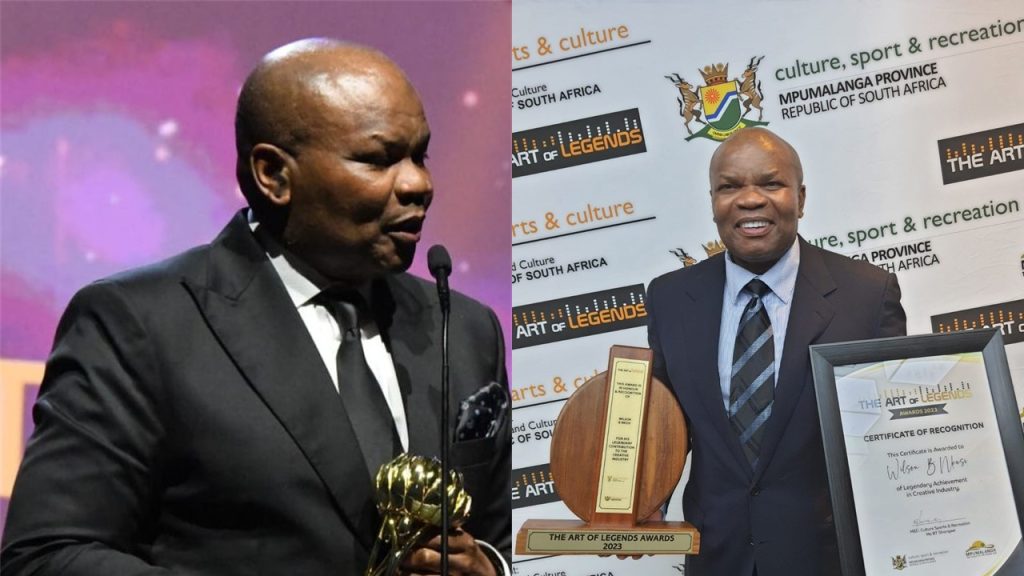
Colleagues at Metro FM speak of a broadcaster whose professionalism has become something of a benchmark: “The whole time I worked with him, he never missed his show. A person who respects the brand, Metro FM — you cannot let go of that person. He is the presenter whom other presenters listen to and aspire to be.”
Others in the documentary speak less about broadcasting and more about the man himself: “I like him very much — really like my son. And he has a good heart. He is a very, very good man.”
After nearly forty years on air, the man behind the voice is finally ready to be known — or, as Nkosi himself puts it with characteristic humility, “Please meet my mother and father’s son.”