

Cancer already kills more than 26,000 people every day, and the World Health Organisation warns the crisis is set to worsen dramatically. A new global report says annual cancer cases could almost double by 2050 unless countries urgently improve prevention, early detection and access to treatment.
By Staff Reporter
The number of people diagnosed with cancer each year could almost double by 2050 unless governments act urgently to strengthen prevention, early detection and treatment, the World Health Organisation (WHO) has warned.
The warning comes in the WHO Global Status Report on Cancer 2026, produced jointly with the International Agency for Research on Cancer (IARC). The report paints a stark picture of a disease that continues to place an enormous physical, emotional and financial burden on millions of people and their families around the world.
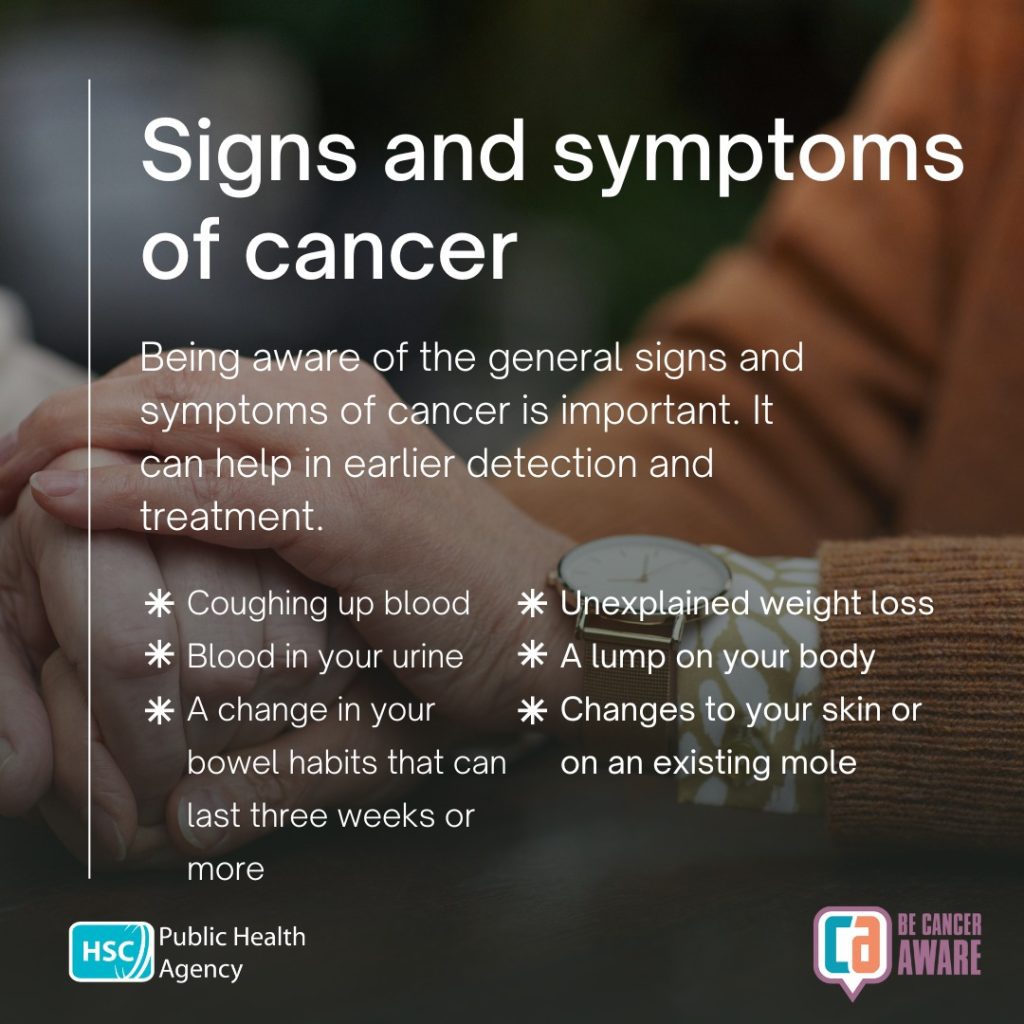
Cancer currently claims more than 26,000 lives every day. Around 20.6 million people are diagnosed with the disease every year, while nearly 10 million people die from it annually, making cancer the world’s second leading cause of death after cardiovascular disease.
Without urgent action, the WHO projects that the number of new cancer cases will rise to almost 35 million every year by 2050.
A growing global challenge
According to the report, reversing this trend will require a major shift in how countries tackle cancer. Rather than focusing only on the disease itself, health systems must become more centred on the needs and experiences of patients, their families and their communities.
The report assesses global progress in areas including political commitment, cancer prevention, tobacco control, vaccination programmes and investment in treatment. While some encouraging gains have been made, it also highlights deep and widening inequalities in access to prevention, diagnosis, treatment and supportive care.
These gaps have serious consequences.
For example, 87% of women diagnosed with breast cancer in high-income countries are still alive five years after diagnosis, compared with only about 42% in low-income countries.
The report also reveals that fewer than one in three countries include cancer care as part of their universal health coverage, leaving millions of people without affordable access to essential services.
WHO Director-General Tedros Adhanom Ghebreyesus said no one’s chances of surviving cancer should depend on where they were born or how much money they earn.
“Cancer is a deeply personal disease that touches nearly all of us. But whether a person survives cancer should never depend on where they were born or what they earn,” he said.
He added that the inequalities highlighted in the report are the result of policy choices rather than unavoidable circumstances, meaning governments have the power to change them through stronger and more coordinated action.
The hidden cost of cancer
The report makes clear that cancer affects far more than a person’s physical health.
Most people will experience cancer at some stage in their lives, either through their own diagnosis or that of a close relative or friend. Alongside the medical challenges, the disease often brings severe financial hardship, emotional distress and social isolation.
For the first time, the WHO surveyed people living with cancer and their caregivers to better understand these experiences.
The findings show that:
- At least 45% of people affected by cancer experience financial hardship.
- More than half report mental health challenges.
- Nearly all caregivers say they experience significant strain, including unpaid caregiving responsibilities and social isolation.
The survey highlights that cancer often affects entire households, disrupting employment, education, finances and family life long after treatment has begun.
Cancer affects regions differently
The burden of cancer is not evenly spread across the world.
In 2024, Asia accounted for more than half of all cancer cases (50.7%) and deaths (56.5%), largely because of its large population.
Europe, despite having only around 9% of the world’s population, accounted for 21% of global cancer cases and 20% of deaths, reflecting a disproportionately high burden.
Many countries in Africa and parts of Asia reported lower numbers of new cancer cases, but much higher death rates, suggesting that people are often diagnosed later or have less access to effective treatment.
The most common cancers
Lung cancer remains the leading cause of cancer deaths worldwide.
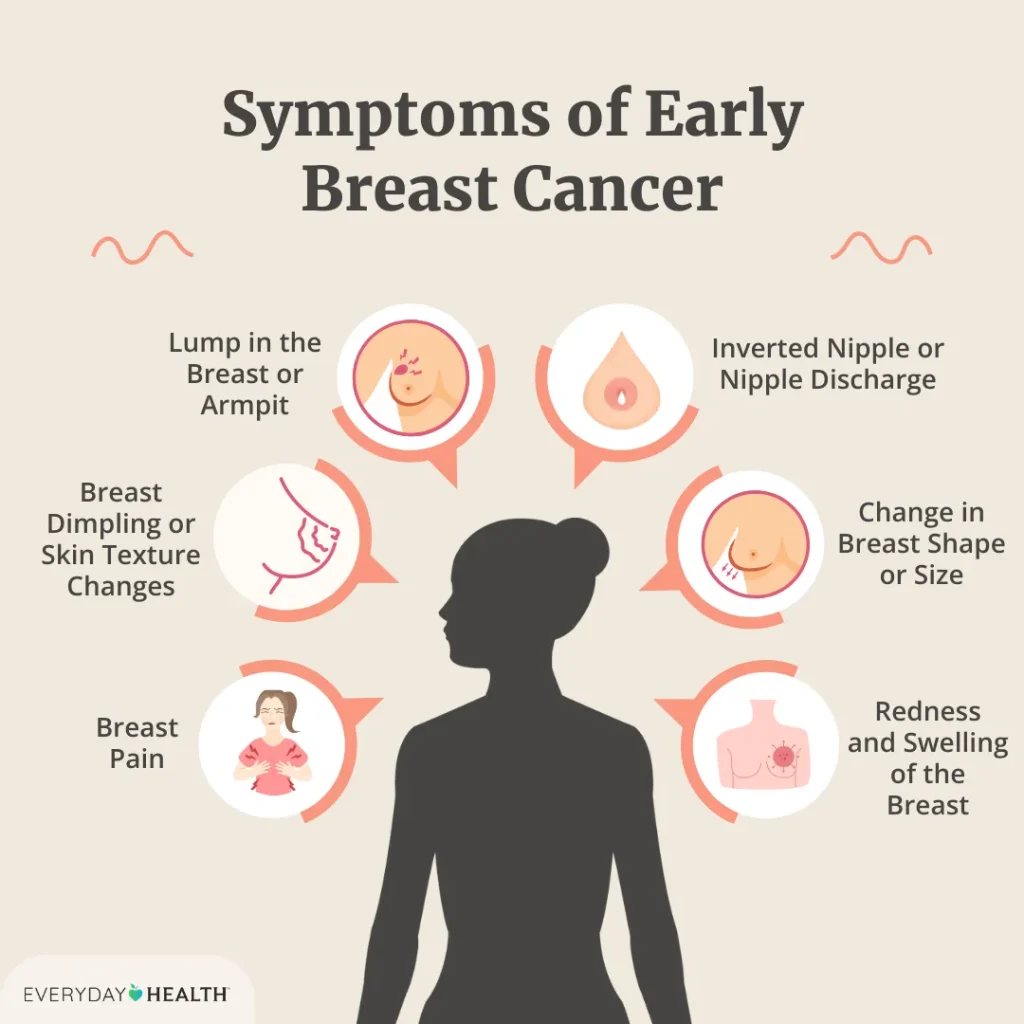
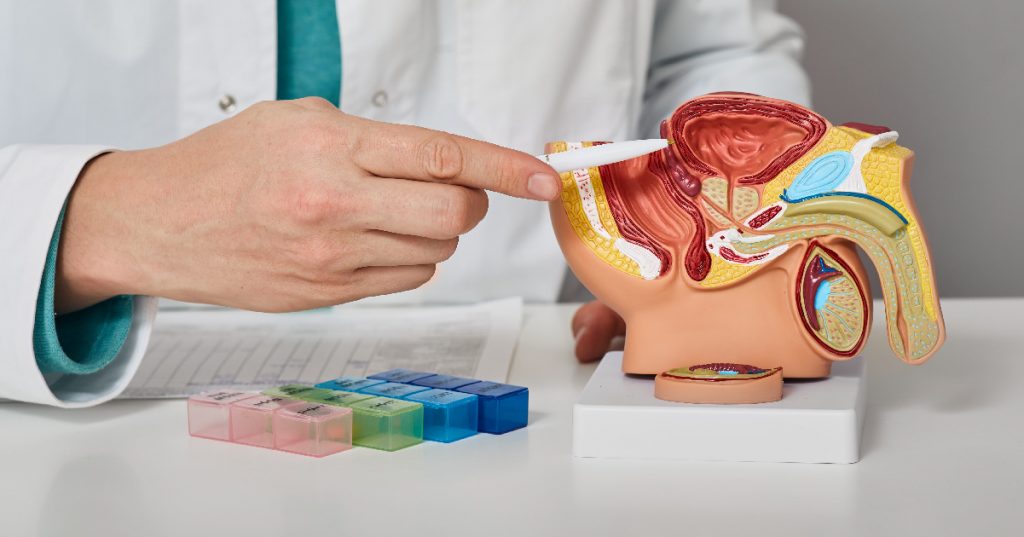
Among men, lung, prostate and colorectal cancers are the most commonly diagnosed.
Among women, breast, lung and colorectal cancers account for a large share of cancer cases.
The report also points out that nearly four in every ten cancer cases worldwide are linked to preventable risk factors.
These include:
- Tobacco use.
- Alcohol consumption.
- Being overweight or obese.
- Lack of physical activity.
- Infections such as human papillomavirus (HPV).
- Hepatitis B and hepatitis C.
- Helicobacter pylori infection.
Because many of these risks can be reduced, the WHO says prevention remains one of the most effective ways of lowering future cancer rates.
Elisabete Weiderpass, Director of IARC, said some countries have successfully reduced cancer rates through prevention policies, but progress globally remains too slow.
She noted that the global cancer profile is changing, with growing numbers of cancers linked to obesity, unhealthy diets, physical inactivity and air pollution.
“Cancer prevention must remain a political priority,” she said.
Progress has been made
Despite the worrying outlook, the report also identifies important areas where countries have made significant progress.
Since 2010, global tobacco use has fallen by 27%, helping to reduce lung cancer cases and deaths in some regions.
Cancers caused by infections are also declining thanks to wider vaccination programmes, improvements in clean water and sanitation, better hygiene, and stronger infection prevention measures.
Governments are placing greater emphasis on cancer planning.
Today, 82% of countries have national cancer control plans, compared with just 50% in 2010.
Early detection has also improved in wealthier countries. Most breast cancers are now detected through organised screening programmes, while 74% of women in high-income countries have been screened for cervical cancer.
Research into new cancer treatments is also accelerating.
The number of registered cancer clinical trials grew by an average of 7.3% each year between 2005 and 2021, reflecting rapid scientific progress.
Access to treatment remains unequal
Although medical advances continue, many people are still unable to benefit from them.
The report shows that access to essential cancer medicines varies dramatically between countries.
In low- and lower-middle-income countries, only 9% to 54% of the 20 priority cancer medicines are available.
In contrast, availability ranges from 68% to 94% in high-income countries.
The WHO says these inequalities continue to cost lives, particularly in countries with limited healthcare resources.
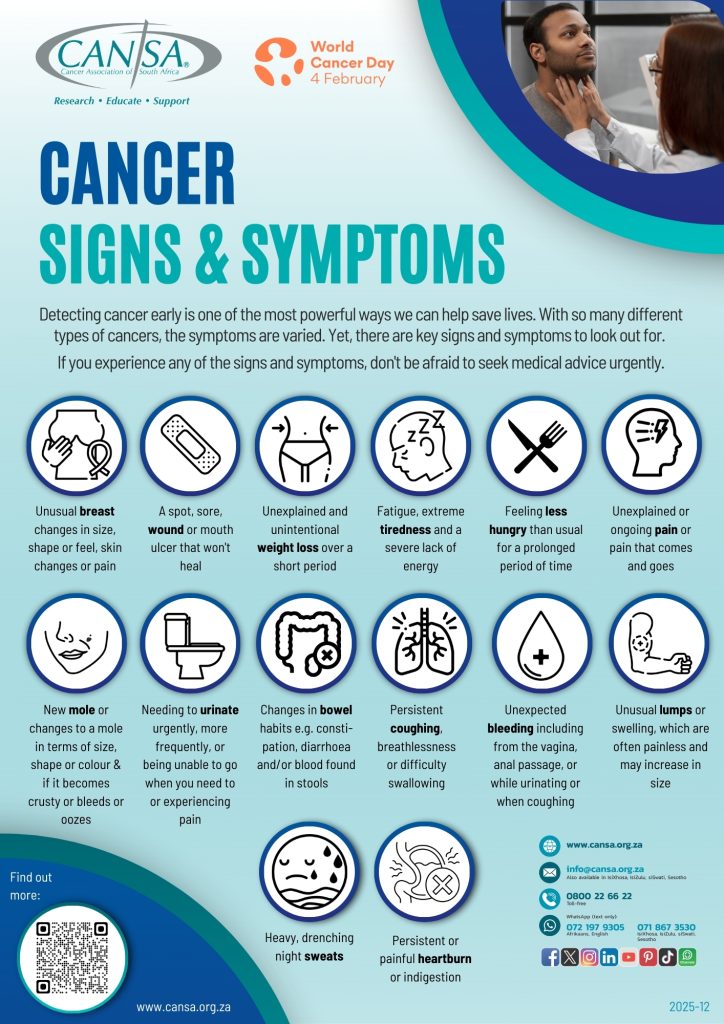
Childhood cancer survivor Clarissa Schilstra, who helped lead the WHO survey of people affected by cancer, said the disease changes every aspect of a person’s life.
“Cancer is not just a medical diagnosis – it profoundly, indefinitely affects every aspect of a person’s life, and their family’s as well,” she said.
She urged governments to include people with lived experience in decisions about cancer policy and healthcare services so that future responses are more equitable and effective.
A new approach to cancer care
The WHO says tackling the growing cancer burden will require governments, international organisations, researchers, civil society and the private sector to work together around a more people-centred model of care.
The report sets out three broad priorities for all countries:
- Build stronger health systems by integrating cancer services into universal health coverage and investing in skilled healthcare workers.
- Put people first by ensuring patients and their families help shape cancer services while strengthening financial and social protection.
- Improve value and fairness by directing research towards public health needs and ensuring new treatments and innovations are accessible to everyone who needs them.
The organisation says the decisions governments make today will determine how heavily future generations are affected by cancer.
By investing in prevention, expanding access to diagnosis and treatment, reducing inequalities and placing patients at the centre of healthcare systems, countries can significantly reduce the human and economic toll of one of the world’s most devastating diseases.