

The 2026 World Cup exposed a sport in institutional collapse, where football’s integrity was traded for political favour and corporate greed. From Donald Trump’s unprecedented red-card intervention to astronomical ticket prices that froze out genuine supporters, Gianni Infantino dropped the ball completely. With visa discrimination undermining the tournament’s promise of global inclusivity and fans launching unprecedented petitions, this World Cup will be remembered as the moment backroom shenanigans brought the sport to the brink of collapse.
By Themba Khumalo
As the dust settles on the pitch of the 2026 FIFA World Cup, the defining legacy of this tournament will not be found in the historic exploits of the athletes.
Instead, it is written in the boardrooms, luxury VIP boxes, and backroom phone lines where global football’s integrity was bartered away.
Under the stewardship of FIFA President Gianni Infantino, the 2026 edition morphed from a global festival of football into an aggressive display of political manoeuvring, unprecedented corporate exclusion, and regulatory theatre.
From unprecedented interventions by a sitting US President to grassroots petitions amassing millions of digital signatures, the tournament laid bare a sport in conflict with its own soul.
The Red Card Reversal: Trump, Infantino, and the Death of Neutrality
The epicentre of the tournament’s integrity crisis arrived on 1 July 2026, during a Round of 32 clash between the United States and Bosnia and Herzegovina. In the 64th minute, American striker Folarin Balogun landed awkwardly on the ankle of Bosnian defender Tarik Muharemović.
Following a VAR intervention, Brazilian referee Raphael Claus issued a straight red card for serious foul play.
Under standard regulations, a straight red triggers an absolute, unappealable one-match ban. Yet, what followed exposed a staggering shortcut through football’s rulebook. U.S. President Donald Trump placed a direct personal call to Gianni Infantino, demanding a “review” of the decision.
On 5 July, FIFA’s disciplinary committee stunned the international football community by using Article 27 of the FIFA Disciplinary Code to freeze Balogun’s suspension for a one-year probationary period, clearing him to play against Belgium in the Round of 16 the very next day.
The immediate fallout was scathing. While Donald Trump stood alongside Infantino at a FIFA reception in Trump Tower and openly joked, “Gianni made yet another of his many good decisions… If he didn’t allow him, and they lost, they’d say we would have won the game if we had our best player,” the rest of the sporting world saw an institutional collapse.
The London-based human rights and sports advocacy group FairSquare immediately filed an official complaint with the International Olympic Committee (IOC) Ethics Commission, citing five explicit breaches of political neutrality.
Because Infantino has served as an IOC member since 2020, he is bound by charters that strictly forbid administrators from accepting mandates or instructions from state leaders.
Critics pointed to a calculated pattern of cosying up to power, including Infantino inventing and presenting a “FIFA Peace Prize” to Trump shortly before the official tournament draw. UEFA and the Royal Belgian Football Federation immediately issued sharp rebukes, with UEFA accusing FIFA of “undermining the credibility of football and the integrity of the World Cup”.
Strikingly, even Balogun later admitted the bizarre intervention left his own squad reeling, telling CBS Mornings: “When we found out on the team bus, everyone was screaming… But when I started to reflect, I knew it was going to cause a lot of controversy. I could see within my teammates a bit of nerves because it was something that’s so unique.”
The Visa Crisis and the Illusion of Inclusivity
Beyond the pitch, Infantino’s repeated assurances that the 2026 tournament would be the “most inclusive ever” crumbled under the weight of geopolitical discrimination.
Despite promising that any qualifying nation would have seamless entry, FIFA completely surrendered its leverage to strict domestic immigration protocols, creating an unprecedentedly unequal playing field.
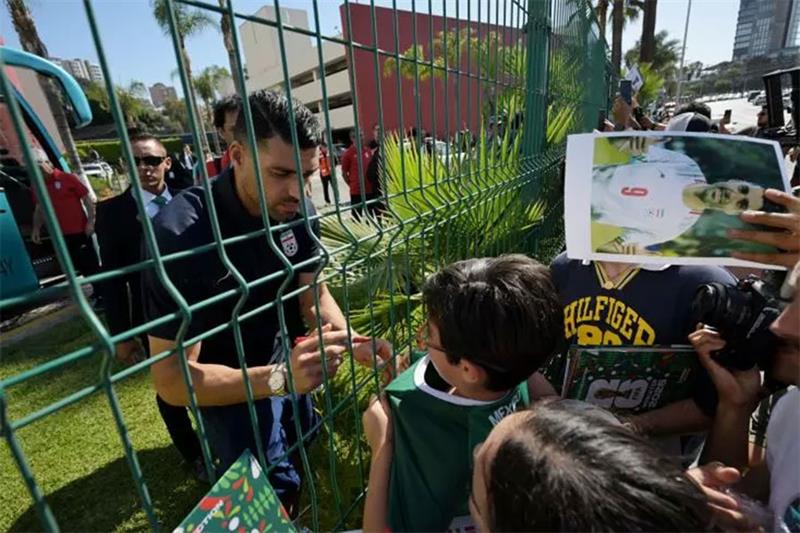
The most egregious victim of this regulatory surrender was Iran. Members of Iran’s official delegation, coaching staff, and support personnel were systematically denied US visas.
In an unprecedented logistical humiliation for a World Cup participant, the Iranian team was forced to establish its base camp in Mexico, flying back and forth across the border under immense physical duress just to play their scheduled fixtures.
This institutional exclusion extended to the stands. Iconic international supporters, such as the Democratic Republic of Congo’s famous superfan Michel Kuka Mbodalinga, were rejected for visas without recourse.
Journalists and fans from the Global South faced visa rejection rates as high as 80% from US and Canadian authorities. FIFA allowed the host nations to dictate the terms of global assembly, stripping the tournament of its traditional, multicultural identity.
Sky-High Prices and the “Americanisation” of the Game
Compounding the exclusion of international fans was Infantino’s aggressive push into hyper-commercialised, American-style sports marketing. FIFA abandoned its traditional first-come, first-served ticket allocation model in favour of a volatile, unregulated “market rate” system that closely mirrored dynamic pricing.
Ticket prices exploded, with standard seats for the final at MetLife Stadium listed at figures of up to $11,000 (R182,000).
The pricing barriers were so severe that multiple US State Attorneys General launched formal price-gouging inquiries. Infantino fiercely defended the corporate shift, publicly insisting that FIFA “had to apply market rates.”
The decision backfired visually; multiple group stage and knockout matches were marred by thousands of glaring empty seats.
Rather than acknowledging the financial barrier, FIFA clumsily blamed the empty stands on fans “standing in the concourses” to buy concessions.
Furthermore, purists and international fans fiercely condemned the integration of a massive, Super Bowl-style halftime show for the World Cup final. This structural change was heavily criticised as a blatant commercial exploitation of the sport that disrupted the traditional 15-minute halftime interval solely to appease television broadcasters and corporate sponsors.
The Voices of Dissent: The Backlash Against Infantino
The outrage has sparked a united front of resistance spanning fans, rights organisations, and high-ranking politicians.
More than 50 members of the European Parliament, alongside the Norwegian Football Federation, have written formal letters demanding absolute accountability regarding Infantino’s administrative choices.
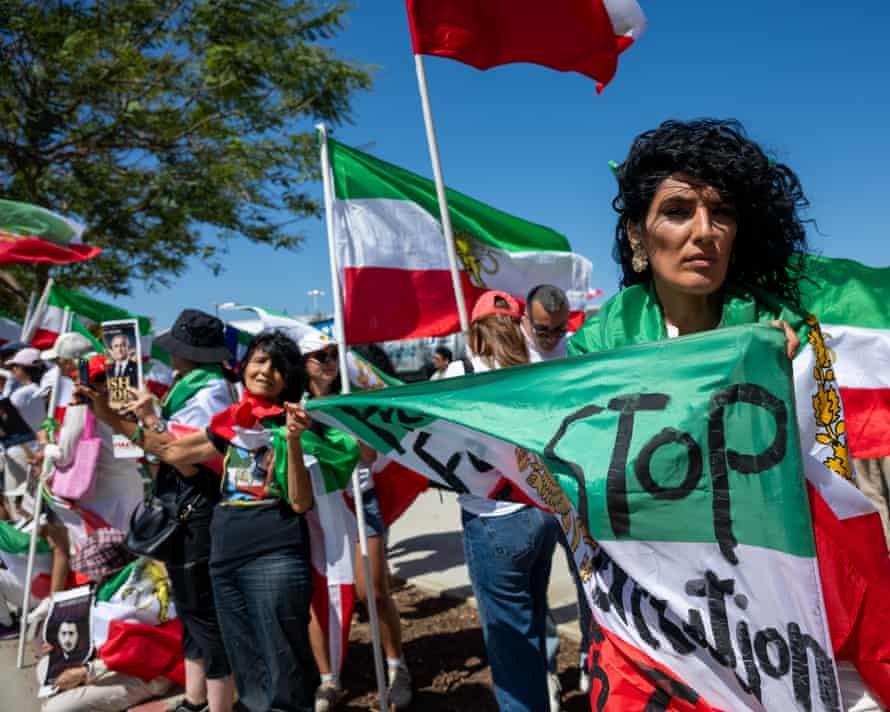
Amnesty International launched a global petition targeting Infantino and host governments to stop ethnic profiling and targeted immigration crackdowns around the venues, stating: “What should be a global celebration risks becoming a festival of fear… FIFA promised a tournament where everyone feels safe, included and free to exercise their rights, yet repression and division are threatening to take centre stage.”
The Millions of Signatures: Fan Petitions Strike Back
The anger of the common fan has materialised into historic digital uprisings, resulting in two massive petitions formally directed at FIFA’s executive committee.
The first viral petition on Change.org focused directly on the pricing atrocities and corporate greed, demanding the immediate resignation of the FIFA President. The fan manifesto states: “FIFA, under the leadership of Gianni Infantino, is blatantly prioritising profit over the sport and its fans… transforming what should be a global celebration into an event marked by corporate greed and financial exclusion. Instead of an inclusive festival, many are excluded… It is time for a leadership change in FIFA, one that places fans at the heart of every decision.”
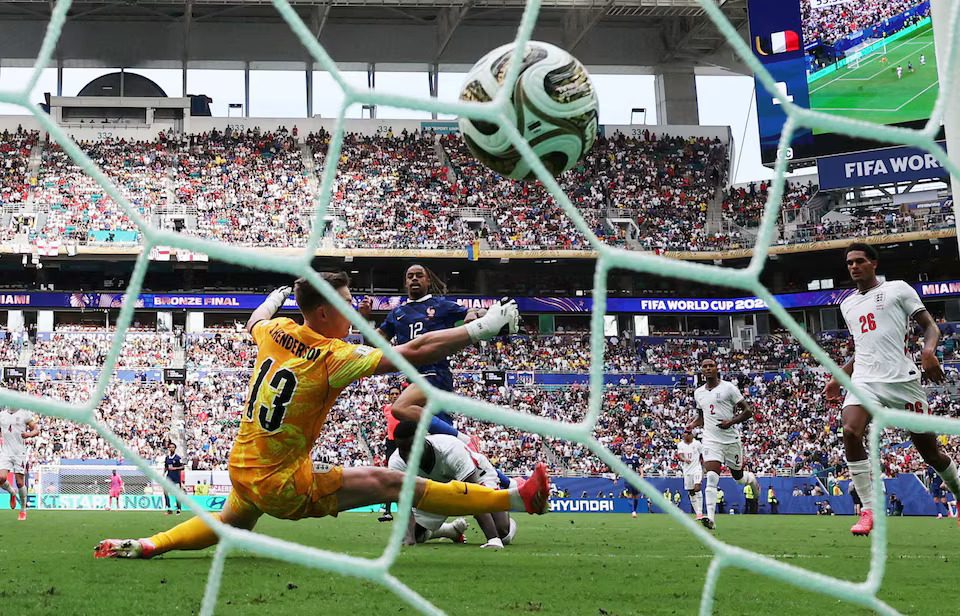
Parallel to this, an unprecedented digital campaign titled ‘Argentina Out’ amassed 22 million signatures. Rooted in deep frustration over perceived refereeing bias and structural favouritism toward Lionel Messi, the petition gained explosive traction following a heated semi-final clash that saw Argentina defeat England.
The match was further inflamed by severe political tensions over a Falkland Islands banner displayed by Argentina players.
The petition text serves as a historic vote of no confidence in tournament oversight, explicitly arguing: “It is obvious that FIFA and the referees are biased towards Lionel Messi and Argentina. Why should the rest of the world compete when the winner has already been decided? Kick Argentina out of the World Cup and give everyone else a fair chance.”
The Final Paradox: Pure Football Inside a Compromised Circus
While the administrative side of the 2026 World Cup was defined by regulatory shortcuts, the final itself provided a poetic, paradoxical mirror to the tournament’s integrity crisis.
Much as there were questionable decisions by the referee throughout the game, the ultimate clash between Spain and Argentina proved that the rulebook could still bite when the cameras were brightest.
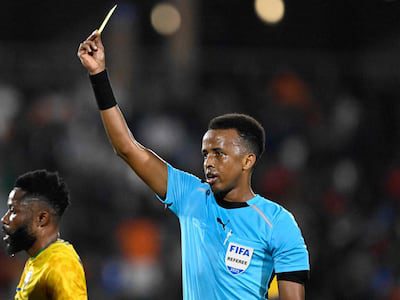
When Argentina’s Enzo Fernández was dismissed for a second yellow card in the 90th minute, there was no presidential hotline available to salvage the defending champions. Left with ten men against a relentless Spanish side, Argentina finally buckled in extra time.
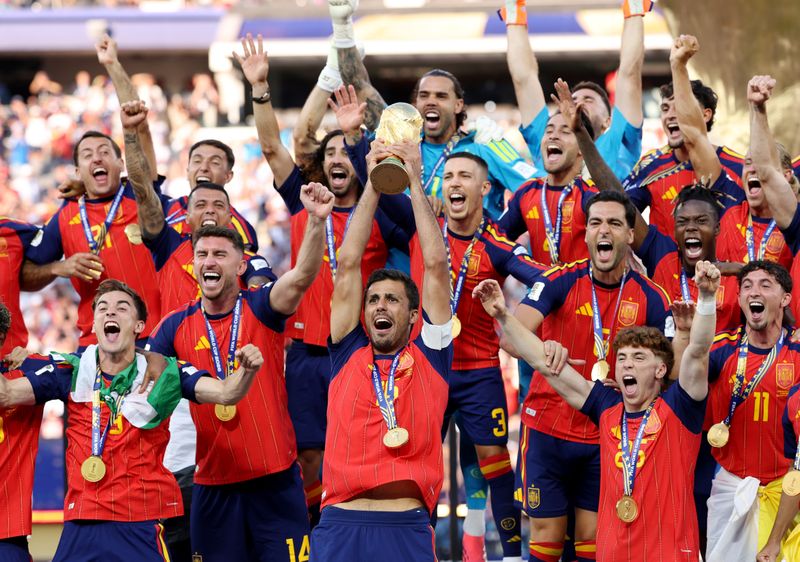
Ferran Torres capitalised on the numerical advantage, securing a 1–0 victory to crown Spain the 2026 World Cup champions.
Spain’s historic run—conceding a mere single goal across their matches—stood as a monument to sporting excellence. Yet, the final presentation ceremony perfectly captured the tournament’s dual reality.
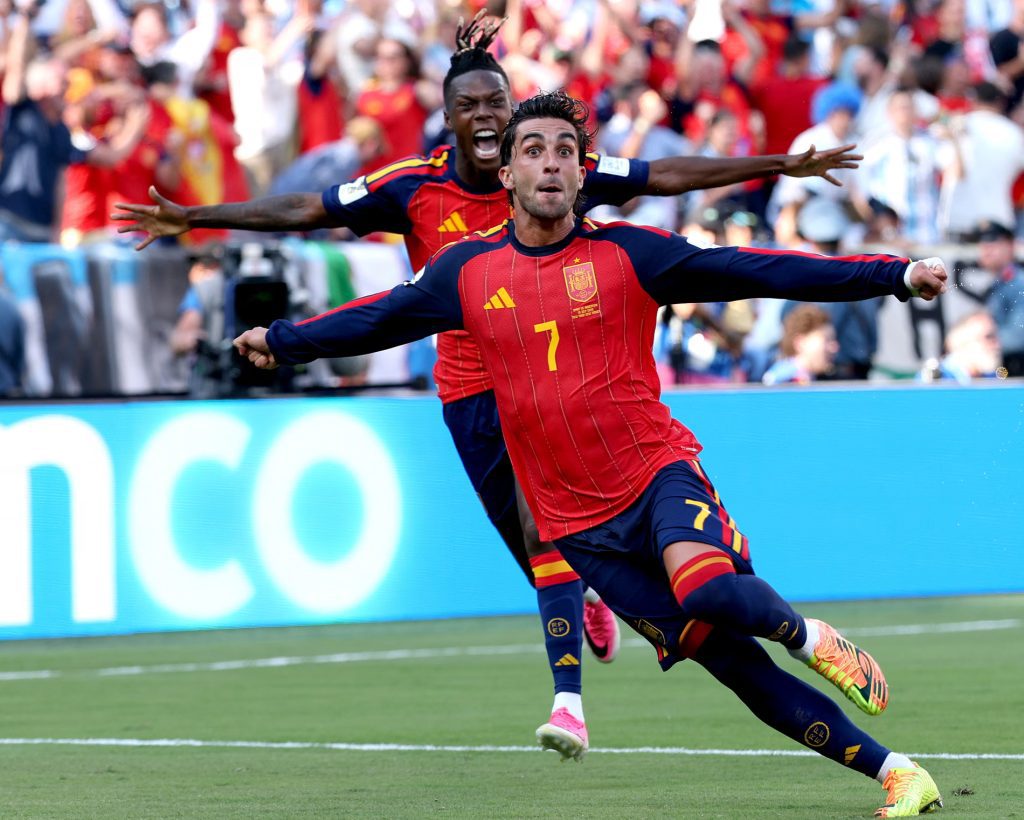
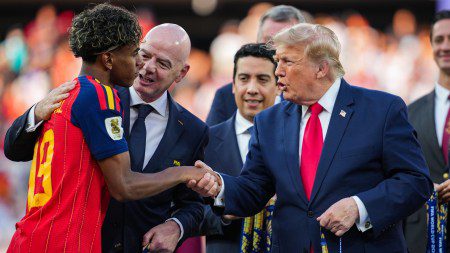
As King Felipe of Spain watched from the executive suites, Gianni Infantino and Donald Trump stepped onto the podium together to hand over the trophy. The pitch-perfect champions were crowned to the soundtrack of a roaring, furious stadium of fans—a stark reminder of the corporate and political theatre that framed the victory.
The Administrative Shield
Yet, for all the global furore, the eye-opening reality is just how insulated football’s ruling elite remains. Even as UEFA condemned the integrity of the competition and the IOC received files detailing systemic ethical compromises, Infantino’s grip on power appears completely unyielding.
Ahead of the upcoming FIFA presidential election, over 200 of the 211 member associations have already submitted formal letters of personal endorsement to keep him in office for a fourth term.
By building an unassailable voting block across the Global South and smaller member states via expanded tournament slots and development funds, Infantino has effectively insulated his office from Western or European sporting backlashes.
The 2026 World Cup may be remembered by fans as the moment the tournament lost its innocence to political calls and corporate greed, but inside the glass walls of FIFA headquarters, it is viewed simply as a roaring, bulletproof success.