

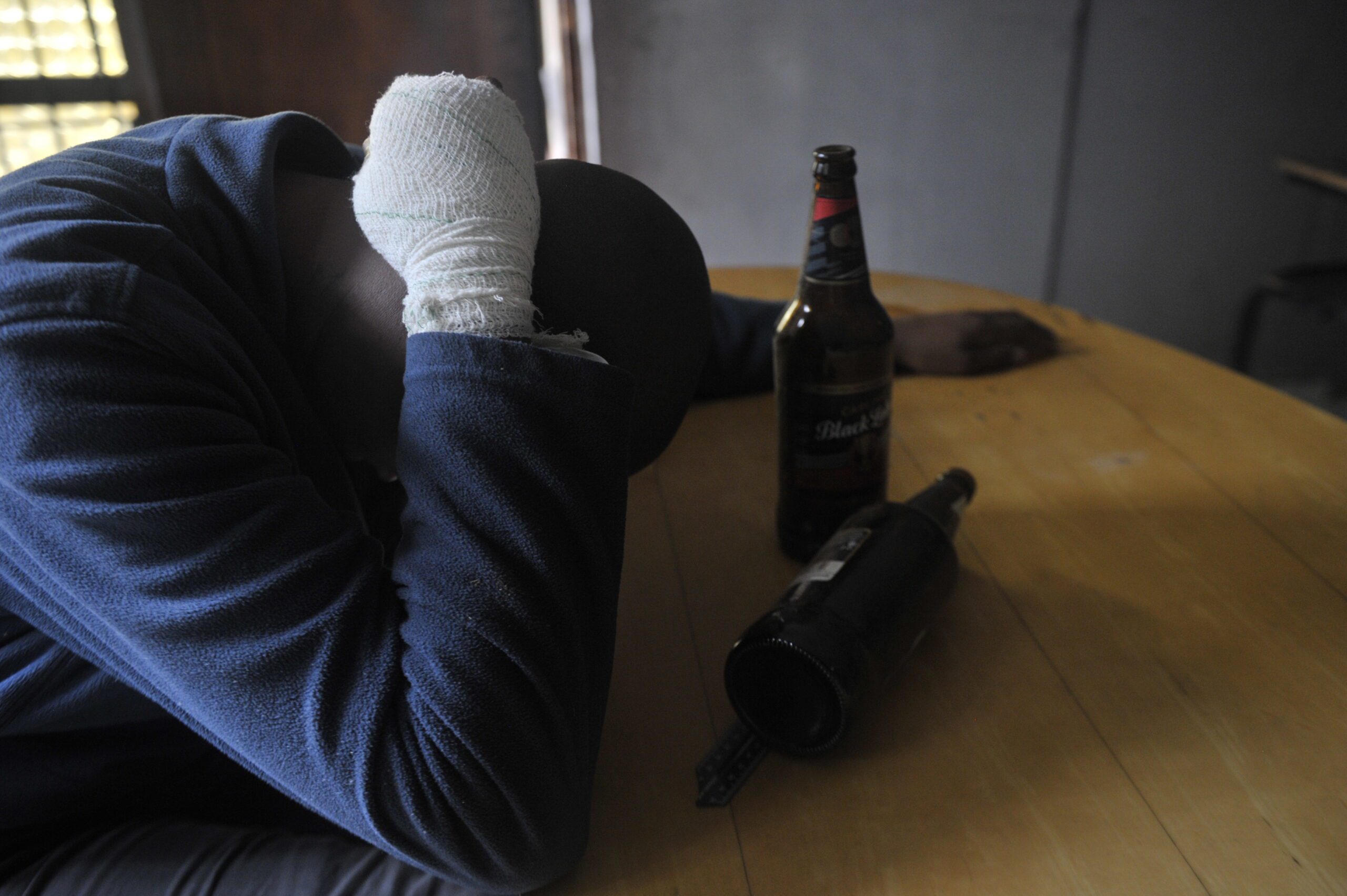
For Natha and Tsebo, alcohol took them to places they never imagined they would reach. AA gave them a way back. As Soweto prepares for its annual Imbizo, they share stories of despair, recovery, gratitude, and love found along the way.

Story and Photos by Jabu Kumalo
It is that exciting time of the year again when sober alcoholics from Soweto and other parts of the country will gather to celebrate their hard-earned sobriety in a fashionable way.
The 41st Annual Soweto Group Rally is here and is cause for raising a non-alcoholic drink to say cheers to these former drinkers.

The Imbizo will be held at Uncle Tom’s Hall, adjacent to the famous tourist attraction, the Hector Pieterson Museum precinct, in Orlando West, Soweto, on Saturday 3 October from 9 a.m.
One of the excited members of the Soweto Imbizo organising team, Pelotha Natha (not his real name, in keeping with the tradition of anonymity in AA), said every day is like a miracle to him. The sparkle in his eyes is a clear sign that he still cannot believe he is breathing fresh air, free from alcohol.
He said his drinking career started while he was at school. He is grateful for the choice he made to go to AA.
Natha said: “When I arrived in this beautiful fellowship called Alcoholics Anonymous, I was from a mental institution. I was literally losing my mind. It was really bad. I was suffering from severe depression and was highly suicidal. Alcohol was no longer working for me. It had lost its magic. Life had taken a turn for the worse. I had reached a stage where I had no choice whether I wanted to drink or not. I just had to drink to keep myself sane.”
He got into the fellowship of AA by coincidence. A friend he knew invited him to AA meetings. This was in 2019.
He was still in denial and could not relate to or identify with other alcoholics in AA. When 2020 came with its terrible lockdown, he relapsed because, like everything else, AA meetings were also shut down.
He came back in 2022 and has not touched booze since then. He said part of his success in staying sober was that he threw himself into AA service by helping other problem drinkers who were still suffering, both inside and outside the organisation. He has so far achieved more than three years of unbroken sobriety.
“So far, AA sobriety is working for me. It feels strange to be on the organising committee and to be a full part of it. Phela mina, I come from a life where I started drinking while at school. Countless times I was caught drunk at school. I was expelled from three schools. I was beginning to feel useless. I knew then that I was suffering from alcoholism.”
“I used to feel like I was carrying the whole world on my head and shoulders. Friends had deserted me. They did not want to be with me. I had reached a stage where I had no relationships with other people,” Natha said.
He said by this time, suicide was the most attractive solution.
The Annual Imbizo is an awareness campaign by Alcoholics Anonymous to let those who have a drinking problem know that there is a solution.
AA is a fellowship of men and women who share their experiences, strength and hope to help each other stay away from drinking. It is not allied to any sect or religious or political entity. AA’s primary purpose is to help those who have a drinking problem stay stopped. There are no fees charged for attending or being a member of AA.
According to AA members, one of the biggest hurdles for any problem drinker to overcome is denial. Once that muddy river of denial can be crossed, the path to a sober life becomes smoother.
Natha’s main aim in attending Alcoholics Anonymous was to stop drinking. But he got another bonus from the AA meetings. He found love, not only from AA members, but from a woman who has many of the attributes he cherishes.
His lover and live-in partner, Knowledge Tsebo (not her real name), laughs out very loudly when the subject of their love is mentioned: “Hehehehheh! You can say that again. Indeed, I found love and a loving partner inside AA. And for that, I am forever grateful.”
Tsebo mentioned a few things that drove her to seek help at a rehabilitation centre and eventually led her to AA.
She said: “There are many things that made me want to stop drinking. I come from a background where there was discipline at home. I was brought up well in a cultured environment. My mum was very strict. I could not bring booze home. I found myself drinking at shebeens, something that I resented with all my heart. It was nauseating to see old women sitting at shebeens and drinking the whole day. I found it truly disgusting.”
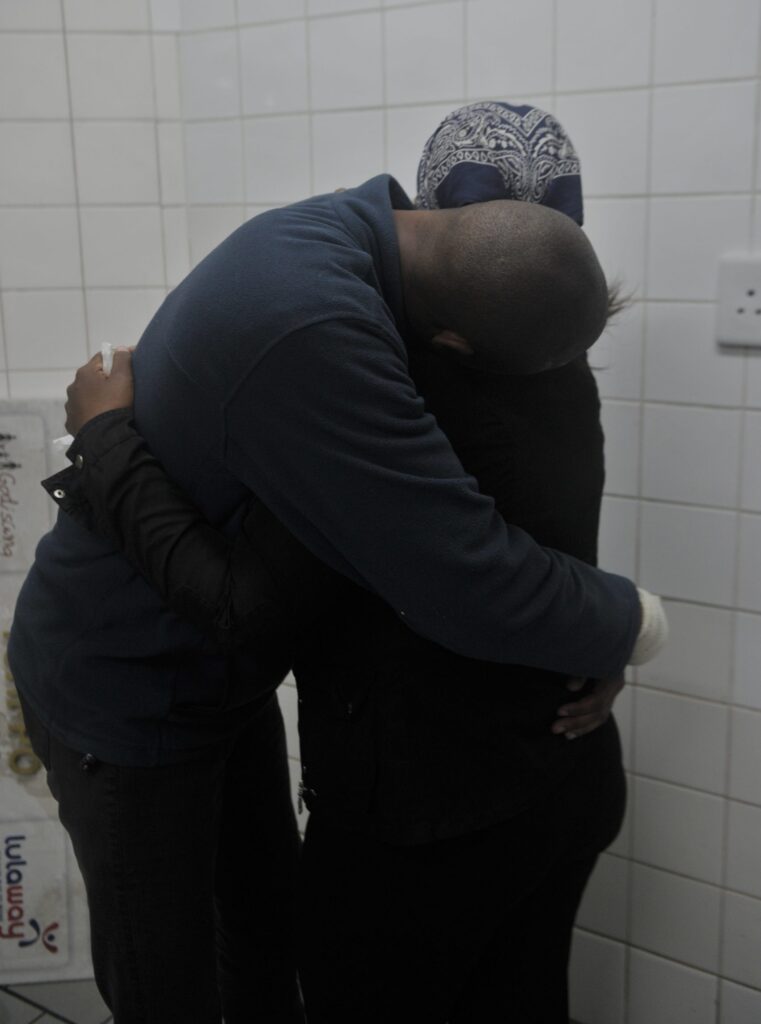
“Growing up in the kind of home I come from, a woman had to be dignified, so finding myself here was sickening. It was not the kind of life I had planned for. I could feel I did not belong there. I used to cry when drunk at these places and tell people I wanted to go to rehab so that I could stop drinking.”
Another reason was that she did not want to drink in front of her son, whom she respected and adored so much. She always worried that his peers might make jokes about her drinking that would hurt him.
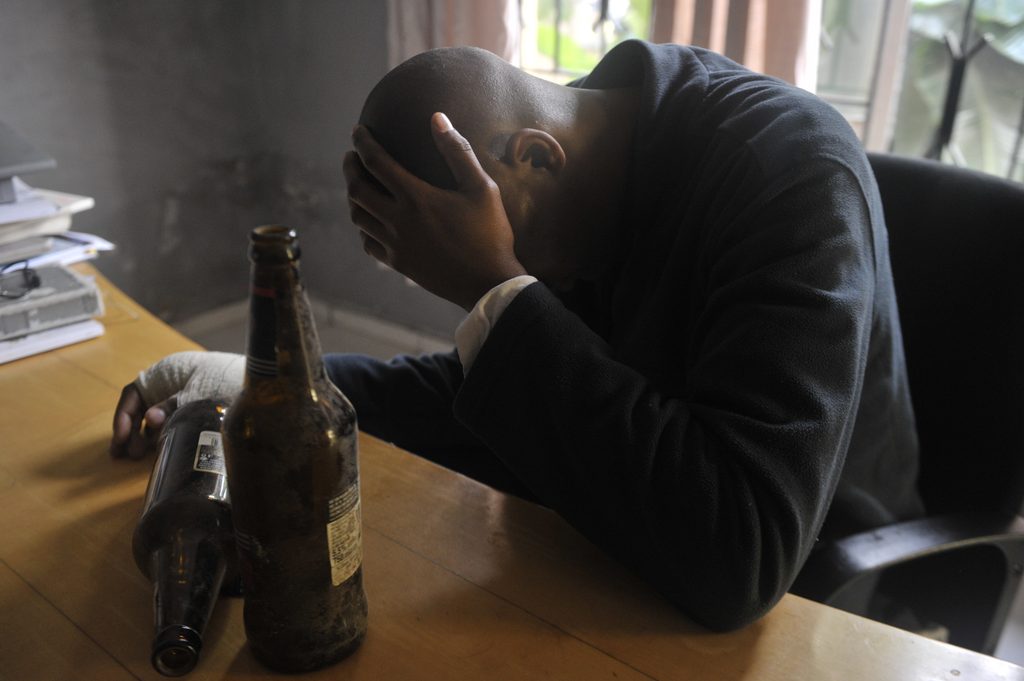
“Drinking was hell for me. It progressed to a stage where I was now drinking at work. I was also putting my life in danger by walking in dangerous places at night, places I would never set foot in even when I am sober during the day. After buying a car, the danger to myself and others became worse. I had to drop everybody off at their homes and be the last one out. I remember one of many incidents when I woke up in the morning with the car doors open. The car was fortunately in the yard, but the gate was wide open. Anything could have happened to me as a woman. That really scared me, but I could not quit boozing,” Tsebo said.
She said the last straw was when she began experiencing violent shakes when she was not drinking. The shakes developed into panic attacks, and these attacks became a regular part of her life.
She continued: “The fear of dying and leaving my little boy was always with me. On the other hand, it was difficult to live without alcohol in my body. The shakes and panic attacks from withdrawal were scary.
“I am glad I am out of that hell now. My family, particularly my son, is very happy that I am not drinking now,” said Tsebo.
She said she was mentally, spiritually and emotionally ready for the upcoming Soweto AA Imbizo. As a member of the organising committee, she said she was looking forward to welcoming members and visitors from outside Soweto.
One of the simplest messages of AA is that until one fully concedes within their innermost self that they have a drinking problem, it is not easy to wrestle oneself away from the cruel grip of alcohol. This first step is very important to anyone who wants to quit booze.
The couple is calling on all those who have a drinking problem, or those who live with people who have a drinking problem, to come and hear how they can stay sober and still be happy, free and joyous, without having to lift their elbows.
For more information, AA can be contacted on 0861 435 722. The service is free.