

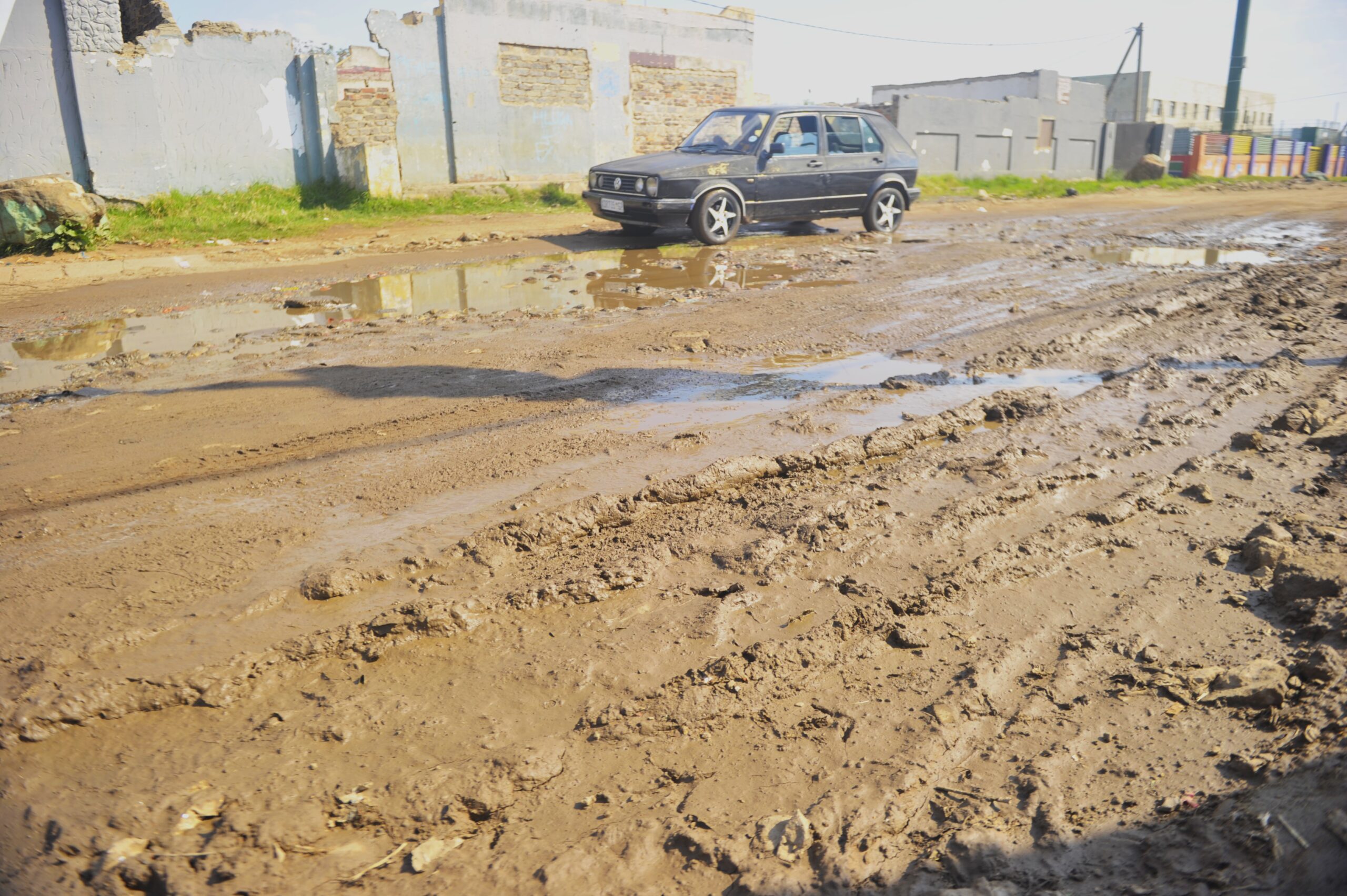
For many Vaal residents, freedom has brought little that resembles the Promised Land. Water disappears, electricity fails, roads crumble, and sewage runs through the streets. So deep is their despair that some now speak of apartheid as though it offered a better life.
Story and Photos by Jabu Kumalo
The Bible tells us that when God’s chosen people, the children of Israel, were stranded in the desert, they longed to go back to the slavery of Egypt because of the suffering they endured during their 40-year journey.
They were ready and prepared to return to the place where the Egyptians had enslaved and worked them ruthlessly rather than die at the hands of their enemies just before they entered the Promised Land.
The pain and suffering they endured in the wilderness were so cruel that they cried that it would be better to die in the wilderness or return to slavery, as they were much better off than they were under their present circumstances.
The Promised Land arrived, or the people landed in it, in South Africa just over 32 years ago.
Like the children of Israel, they are crying to go back to apartheid South Africa. They argue that at least they had water, and some of them had basic necessities such as electricity.
You only need to go to the richest province, the heartbeat of the country, Gauteng, where you will meet some of the most dejected and demoralised citizens of this country.
Probably nowhere in Gauteng will you find citizens as hopeless as those in this region, the Vaal Triangle, under the local government of Emfuleni.
The Vaal Triangle is the only region in Gauteng that happens to be blessed with a real river, called the Vaal River, and a real dam, the Vaal Dam. Most people mistake the many streams they see in Gauteng for rivers and dams. No. They are just streams.
The irony is that those who live within smelling distance of the Vaal River are the very ones who face the daily struggle for water. They do not have the luxury the Israelites had of a supply of this natural commodity even in the wilderness. Their trusted leader, Moses, only had to strike a rock and, boom, they would drink to their hearts’ content.
Their God made sure they had a daily provision of quail, manna and, most importantly, water.
Not so with the Vaal Triangle residents.
In conversations among themselves, these residents “brag” about having water in their taps around 10 am or 11 am in the morning, as the water disappears in the early hours of the morning. During peak morning hours, it is a blessing to have water!
Those who are fortunate enough would confidently brag: “Wwuu shem! You only get water at that time. Ours arrives at around 8 am in the morning! We are unlike you. We are much better.”
The difference is only two hours or so.
There are those who go for days without this commodified natural basic need. It is just as normal as breathing for them to have dry taps.
In some places, they wake up at midnight to do their washing when they hear the noise of taps outside. This is exactly the time when the witches are preparing their wares or are already cruising around on their brooms and baboons to terrorise the already traumatised neighbourhoods.
They have given up on fighting and complaining. They just do not care anymore. The words “service delivery” are like the most piercing insult to their eardrums. They scream and get excited like children when the taps miraculously have running water.
The children of Israel, additionally, had the luxury of the pillar of cloud by day and the pillar of fire by night to guide their travels. Those who are cursed to reside under the Emfuleni Local Municipality or the Sedibeng District Municipality wish God could hear their cries and provide them with basic “pillars” such as electricity and decent shelter.
It is so normal not to have electricity for days, weeks, months and even years in this God-forsaken part of our country that they are surprised that there are people in the province who actually toyi-toyi to have their houses electrified.
The cruelty of those who govern them has so numbed them that they do not seem to care or feel any pain anymore. They are tired of complaining about their suffering because they say nobody cares.
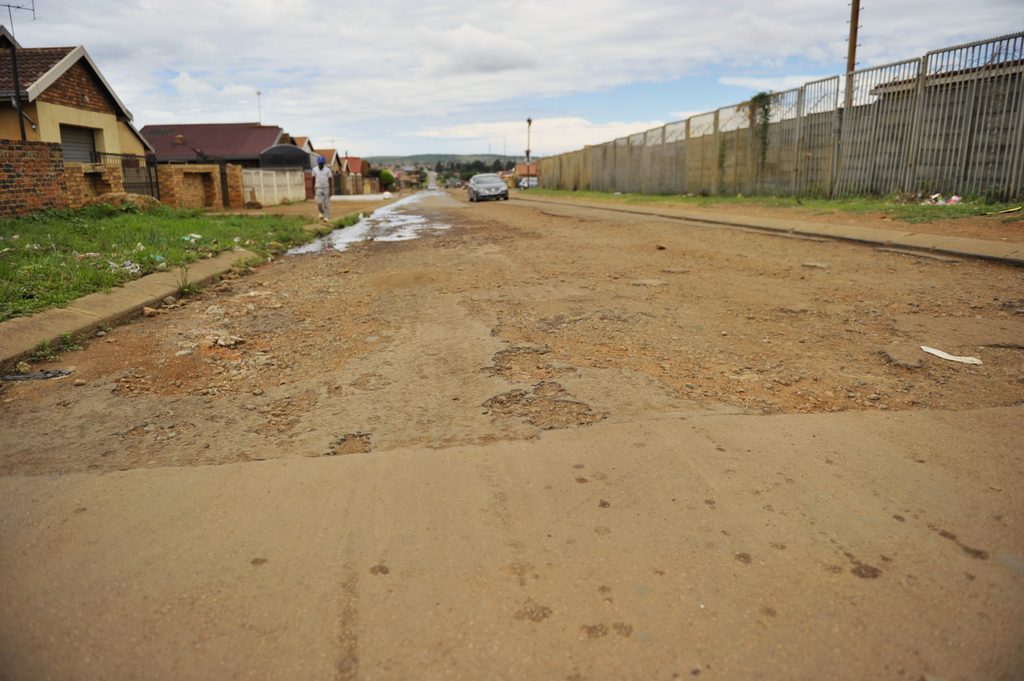
The less said about their streets, the better. In any normal society, a distance of 2km on a tarred road would take a few minutes. Not so in the Vaal. It takes forever to get to the other side. Whole main roads are like cruelly decorated potholes. Cars fight with pedestrians for the pavements. Pedestrians are pushed into the middle of the streets because vehicles have taken over most parts of the walking areas.
Vehicles even encroach on people’s property while trying to avoid potholes and muddy streets.
You have to be in full possession of your mental faculties to negotiate your way if you want to reach your destination with your car still intact. One mistake and you can either get a horrible puncture or, worse, your car sump can hit a rock hidden under muddy sewage.
Running raw sewage is the order of the day. Pedestrians have even learnt the skill of crossing over the stink.
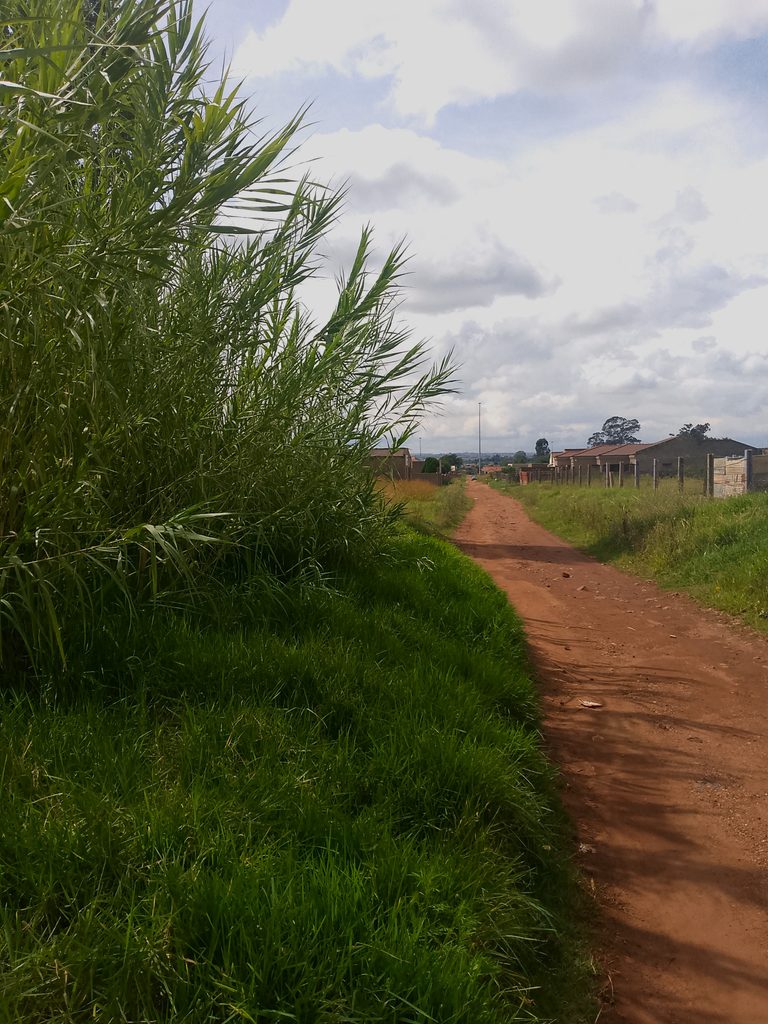
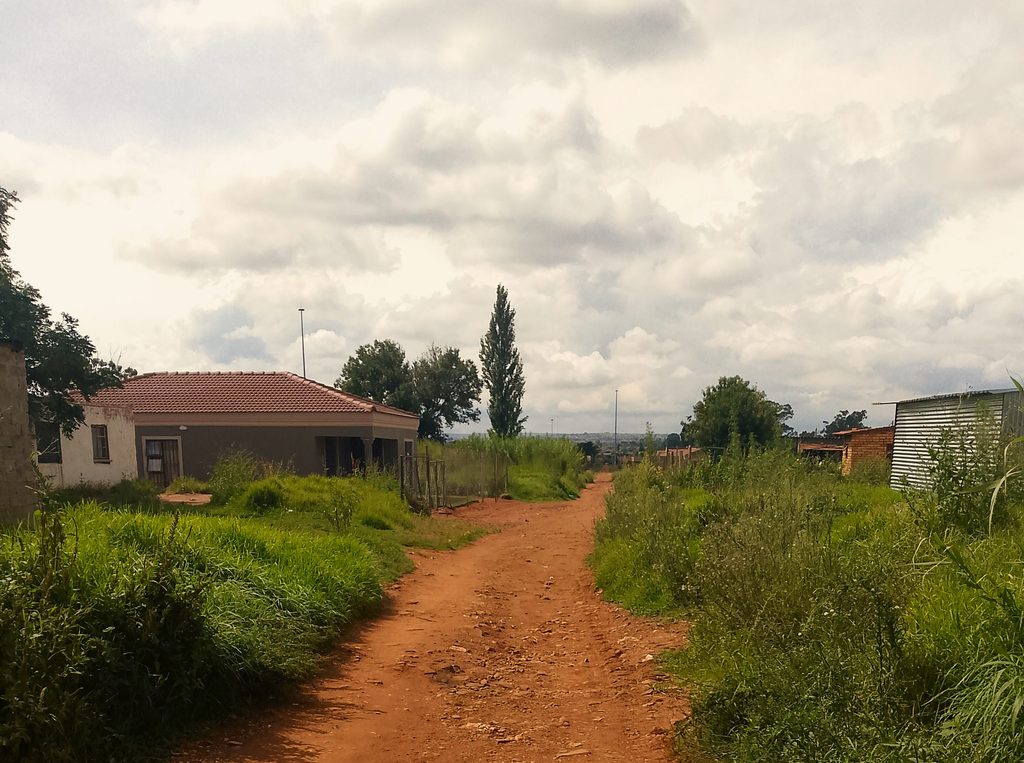
Some streets have vegetation with grass long enough to hide a tall human being. Some of these streets once had tar. The only time they are taken care of is when there is a funeral. But even then, it depends on how important the dearly departed’s family is.
Piling-up garbage has become a beautiful sight, like a flower garden. That is how normal it has become. Every open veld is a dumping area because the municipality gave up long ago on picking up waste.
Fly infestation is no longer shrugged off. People seem to enjoy their food without even caring about sharing it with the nauseating swarm of flies. That is how common the infestation of this sickening insect has become.
The people have completely lost the activist spirit of the Sharpeville March of 1960, which made the whole world sit up and have a conversation about the oppressive laws of apartheid. They have lost the fire that saw them kick-start the revolution of September 1984, which eventually cornered apartheid into surrender.
The pain for them is that they are now enslaved, oppressed and exploited by people who look like them, who grew up with them, who speak the same languages as them and who know their real suffering.
Like the children of Israel, who raised their voices, wept out loud and grumbled to Moses: “If only we had died in Egypt! Or in this desert! Why is the Lord bringing us to this land only to let us fall by the sword?”
This is the sentiment of the majority of the people of the Vaal. They are yearning for apartheid because, at least, they always had a supply of water in abundance.
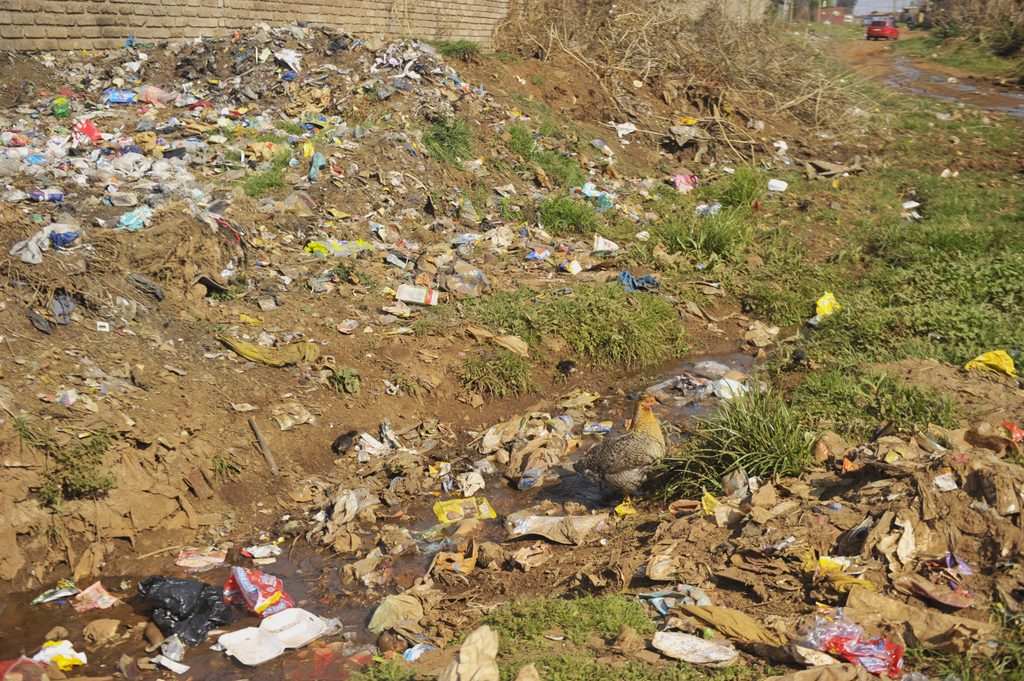
The irony is that, in the coming local elections, they are going to vote for the same political party they are accusing of enslaving them. They have done so in their majority in all the previous elections.