

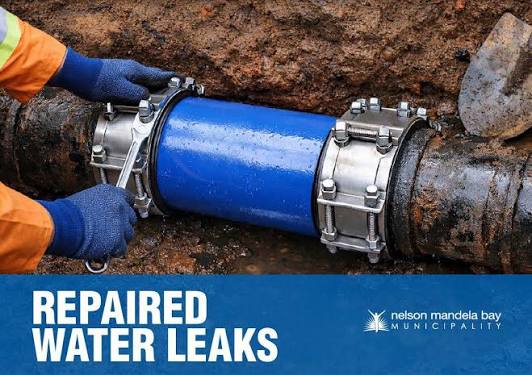
A R52.9 million allocation will kick-start a three-year sanitation infrastructure programme in Nelson Mandela Bay. The project will see sections of the metro’s ageing pipeline network rehabilitated, alongside ongoing upgrades to wastewater treatment works to improve capacity and compliance with environmental standards.
By Staff Reporter
In a major move to modernise its infrastructure, the Nelson Mandela Bay Municipality has allocated R52.9 million in the 2026/27 financial year to upgrade its ageing sanitation pipeline network across both the northern and southern areas of the metro.
According to the municipality, the investment forms part of a three-year infrastructure development programme.
With a total projected investment of approximately R161 million, the project will focus on rehabilitating and renewing sections of the ageing sanitation network.
The upgrades, according to officials, are aimed at reducing the risk of sewage spills and burst pipes, which have affected the environment and disrupted residents’ daily lives.
A Balanced Strategy for the Metro
The multi-million-rand project is strategically divided to support both dense residential communities and vital economic zones:
The Northern Areas: Work will focus on Motherwell — one of the largest residential districts in the metro, situated right next to the busy Coega Special Economic Zone — as well as Bethelsdorp, Bloemendal, KwaDwesi, KwaMagxaki, Bluewater Bay, and Amsterdamhoek.
The Southern Areas: Upgrades will cover Summerstrand, Humewood, South End, the Central Business District (CBD), Walmer, David Stuurman International Airport, Schoenmakerskop, and Seaview.
This pipeline work is set to run side-by-side with ongoing efforts to refurbish and upgrade the municipality’s wastewater treatment works.
These plant upgrades are designed to ensure the city complies with strict environmental standards while increasing overall capacity to accommodate higher wastewater flows driven by industrial growth in Markman, Coega, and the wider northern areas.
Clear Political Will at the Helm
Although Nelson Mandela Bay continues to face serious infrastructure challenges, the latest allocation, together with ongoing wastewater treatment upgrades, suggests the city’s political leadership is placing renewed emphasis on rebuilding essential services.
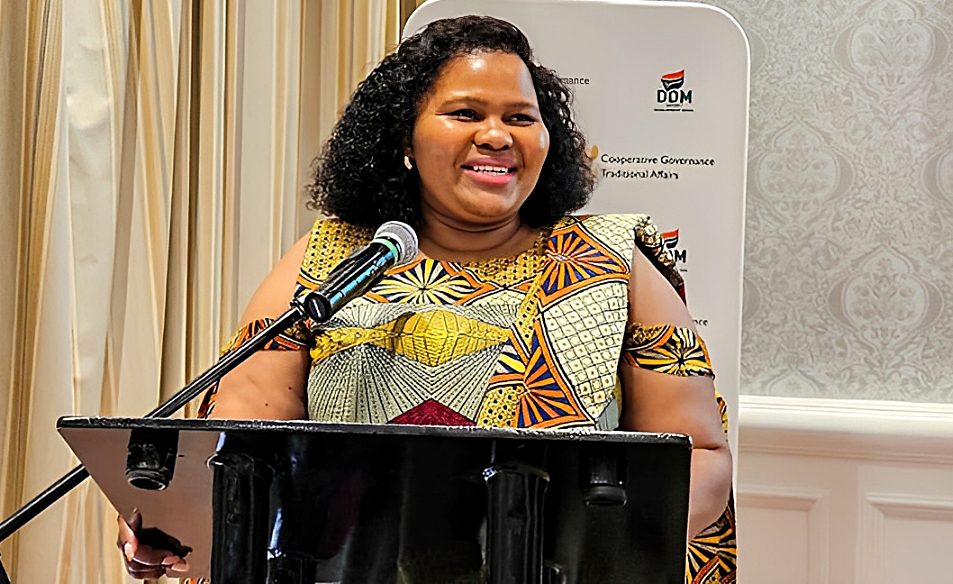
Nelson Mandela Bay Municipality Executive Mayor, Councillor Babalwa Lobishe, explained that the investment is a direct answer to the needs of local communities and businesses: “This is a clear demonstration of our resolve to grow this city and place it in a position to provide quality services while ensuring that we are able to accommodate future economic growth.
“Through our Integrated Development Plan (IDP) processes, we have listened to the concerns raised by residents and the business community. Many of these challenges relate to sanitation infrastructure.
“We understand that parts of our sanitation network are ageing and, in some instances, no longer adequately accommodate our growing population and expanding industries. This investment is our direct and intentional response.”
The mayoral committee said it will closely monitor the implementation of the projects and ensure that the allocated funds are managed responsibly.
Member of the Mayoral Committee (MMC) for Infrastructure and Engineering, Councillor Buyelwa Mafaya, confirmed that her team will keep a very close eye on the project’s progress:
“The issue of timeframes and expenditure is critical. We must work with precision and urgency to ensure that every cent allocated to these projects is spent responsibly and delivers the best possible value for money.”
A Metro on the Rise
The investment comes at a time when there are signs of improvement in parts of the metro, even as significant infrastructure and governance challenges remain.
According to the Mandela Bay Development Agency’s latest Economic Impact Assessment, urban management initiatives are yielding encouraging results.
The assessment found that targeted revitalisation in the Central precinct was accompanied by a 7% increase in private sector investment in real terms.
It also recorded a 30% decrease in public anxiety regarding local crime over the past three years, alongside improved perceptions of urban management.
Community approval of municipal cleaning services reached 73% in Kariega and 85% in North End.
MBDA Acting Chief Executive Officer, Unati Peter, highlighted the significance of these findings, stating: “This survey gives us a clear picture of how our work is shaping the precincts we serve. The results show us where the Agency’s interventions are building confidence and attracting investment, and also make it clear where challenges remain.
“It helps us to understand the impact of our activities on residents and businesses, and the feedback guides us in making better decisions to strengthen urban management and improve the quality of life for people across Nelson Mandela Bay.”
Adding to this momentum, the region’s water security has received a significant boost. Following substantial, steady rains, all major supply dams serving Nelson Mandela Bay — including the Impofu Dam — have reached 100% capacity for the first time since 2016.
With the region’s water reservoirs at maximum capacity and the R161 million funding cycle officially underway, Nelson Mandela Bay now has both the water resources and the financial backing needed to accelerate its recovery.
The challenge now is to translate that advantage into lasting economic gains. Delivering these infrastructure upgrades on time and within budget will be critical to helping the metro convert its improved water security into long-term, sustainable growth.