
The National Treasury has confirmed the conditional release of grant funds to municipalities following a month-long assessment. The initial intervention followed widespread financial non-compliance, including unfunded budgets and outstanding debts owed to Eskom, water boards, and SARS. While releasing funds to safeguard essential community services, officials stressed that municipalities must meet strict compliance milestones by November.
By Staff Reporter
The National Treasury has backed down from a high-stakes financial standoff with defaulting municipalities, announcing the conditional release of billions of rands in withheld operational grants to prevent the collapse of basic services for millions of households.
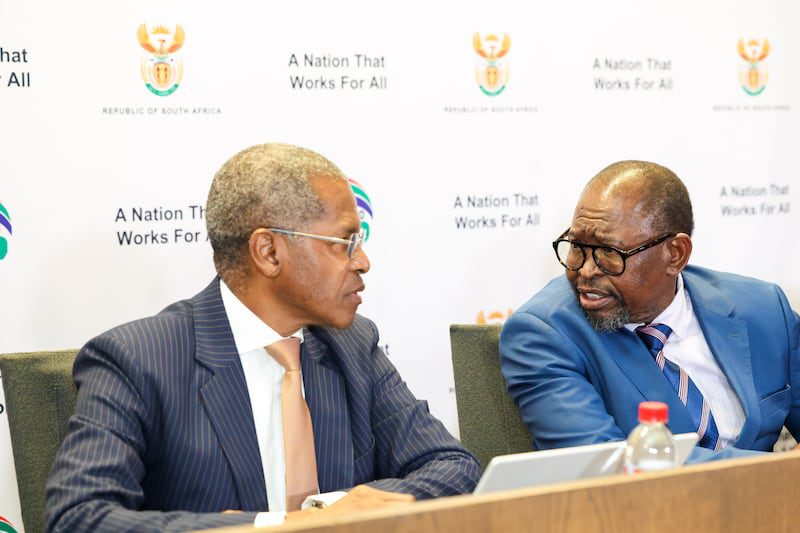
Finance Minister Enoch Godongwana and Cooperative Governance and Traditional Affairs (CoGTA) Minister Velenkosini Hlabisa confirmed at a joint media briefing on Tuesday that the government will disburse the remaining allocations of the July 2026 Local Government Equitable Share.
The decision caps a tense 30-day intervention that highlighted the severe financial distress and administrative failures entrenched within the country’s municipal sector.
The release follows Treasury’s decision earlier this month to invoke Section 216(2) of the Constitution, alongside relevant provisions of the Municipal Finance Management Act (MFMA) of 2003, to halt grant transfers to 69 failing local and district councils.
The temporary freeze was intended to force local authorities into financial compliance after years of uncollected debts, unapproved budgets, and persistent non-payment to major bulk utility suppliers.
However, with the statutory 30-day withholding limit set to expire on Monday, 3 August, and public pressure escalating over the potential loss of running water, waste collection, and electricity in impoverished areas, Treasury chose to release the funds under strict oversight.
A Growing Financial Crisis in Local Government
The backstory to the July funding freeze traces back through years of deteriorating financial management across municipalities. National Treasury data published at the start of the crackdown revealed that 116 out of South Africa’s 257 municipalities—representing 45 per cent of all local authorities—had adopted unfunded budgets for the 2024/25 financial year.
In addition, councils have accumulated an unprecedented R145.2 billion in irregular expenditure since the 2021/22 financial year, alongside R118.1 billion in unauthorised spending.
Unpaid interest owed to Eskom had reached R3.4 billion by mid-2025, while overdue debts to regional water boards stood at R1.21 billion.
In several severe cases, municipal administrations deducted pension fund contributions and tax obligations from municipal workers’ monthly pay cheques but failed to transfer the money to the South African Revenue Service (SARS) or retirement funds.
When National Treasury issued formal notices to the 69 affected municipalities on 7 July, officials described the move as a corrective measure to protect public funds and compel mayors to establish legally binding debt repayment agreements.
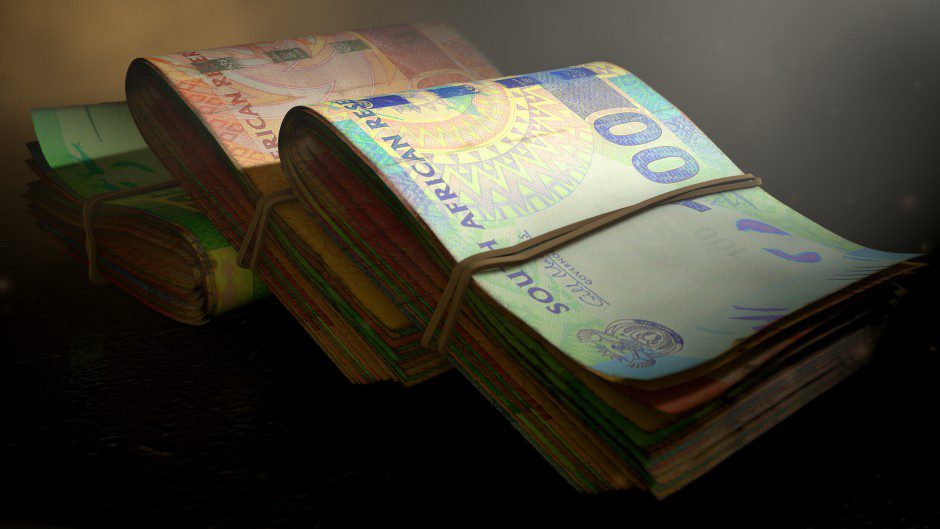
The total value of the grant money put on hold across the country amounted to R7.1 billion.
Treasury Rejects Absolution as Godongwana Defends Conditional Release
Addressing journalists in Pretoria, Godongwana stressed that the decision to disburse the funds was motivated strictly by the need to protect ordinary citizens from the failures of local political leaders and administrators rather than as an endorsement of municipal progress.
“I wish to make it clear that the decision to release the remaining transfers does not mean that the affected municipalities have satisfied the requirements of the MFMA, the Municipal Regulations on Financial Misconduct Procedures and Criminal Proceedings, or the requirements previously communicated in my letters addressed to the respective mayors and the press statement released by the department earlier this month,” Godongwana said.
He explained that because the equitable share is the primary revenue source used to fund free basic services for indigent households, continuing the freeze past the 30-day threshold would cause severe short- to medium-term harm to vulnerable communities.
“National Treasury has decided to release funding because we have withheld it for close to 30 days, which ends on Monday, 3 August, and to avoid having an adverse short- to medium-term effect on the delivery of basic municipal services,” Godongwana noted.
“The equitable share is an important source of funding for basic services, particularly services provided to poor households. National Treasury must therefore balance its constitutional responsibility to enforce financial management requirements with the need to avoid communities carrying the immediate consequences of failures by municipal institutions and officials.”
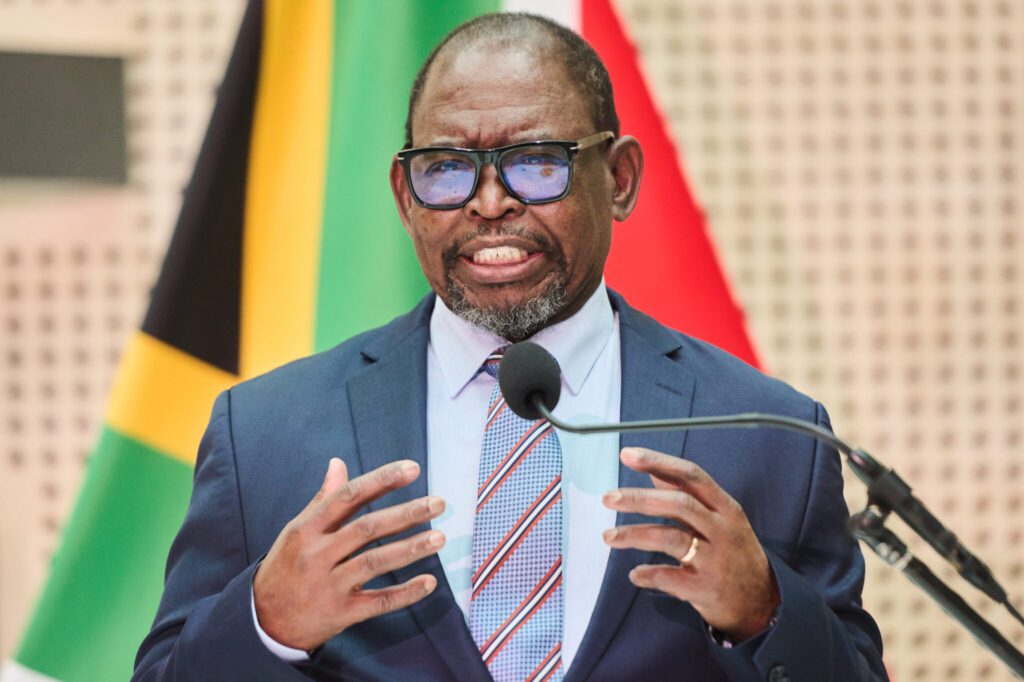
Minister of Finance Enoch Godongwana.
He added that the disbursement must be understood as a conditional measure designed to safeguard day-to-day service delivery while forcing local authorities to rectify governance breakdowns identified during the intervention.
Current Breakdown of the Allocations
Out of the 69 municipalities initially targeted by the funding freeze, Treasury confirmed that 20 authorities have now satisfied immediate compliance requirements and received their full July equitable share allocation.
A further 21 municipalities have received partial disbursements after submitting initial financial recovery commitments. The remaining 28 municipalities, which have not received any funding to date, are scheduled to receive their conditional transfers before the deadline on Friday, 31 July.
The move to release the funds was welcomed by the South African Municipal Workers’ Union (SAMWU), which had previously criticised the grant freeze as reckless. The union argued that withholding operational funds punished workers and residents directly, leaving councils unable to pay staff salaries or settle operational accounts.
SAMWU called on all recipient municipalities to prioritise clearing outstanding employee wages and third-party pension contributions immediately upon receiving the transfers.
Formal Pressure on Premiers and MECs Ahead of December Deadline
To ensure local authorities do not return to non-compliance, National Treasury is escalating provincial oversight by issuing formal communications to political leadership across all nine provinces.
Godongwana confirmed that Treasury is following up the conditional release with direct letters to provincial Premiers, as well as joint letters to both provincial MECs for Finance and CoGTA. These letters outline explicit performance criteria that provincial leaders must monitor, serving as formal prerequisites before Treasury considers withholding the next scheduled grant instalment in December 2026.
“We will send similar letters to the MECs of Local Government and Finance in each province and the Premier of that province to work with them to ensure that, by the next tranche, there will be no need to withhold the equitable share,” Godongwana explained.
The release is accompanied by a structured compliance programme, with the first formal reporting deadline set for 30 September 2026. Affected municipalities must submit quarterly reports and supporting documentation demonstrating reductions in unauthorised, irregular, fruitless, and wasteful expenditure (UIFWE).
Treasury has outlined clear legal milestones for the coming months:
31 October 2026: Municipalities must demonstrate that all outstanding disciplinary and financial misconduct matters logged as of 30 June 2026 have been formally processed through required legal channels.
30 November 2026: Councils must show a demonstrable increase in the number of cases that have progressed through UIFWE reduction mechanisms and municipal disciplinary boards to conclusion.
Godongwana emphasised that Treasury will rigorously assess whether cases have moved through formal investigation, disciplinary action, financial recovery, and criminal prosecution.
“National Treasury recognises that communities should not carry the immediate consequences of failures by municipal institutions. That consideration is central to the decision to release the remaining July 2026 transfers,” Godongwana said in closing. “National Treasury remains committed to supporting municipalities during this period on their road to compliance and to assisting municipalities in avoiding another withholding of the equitable share.”