

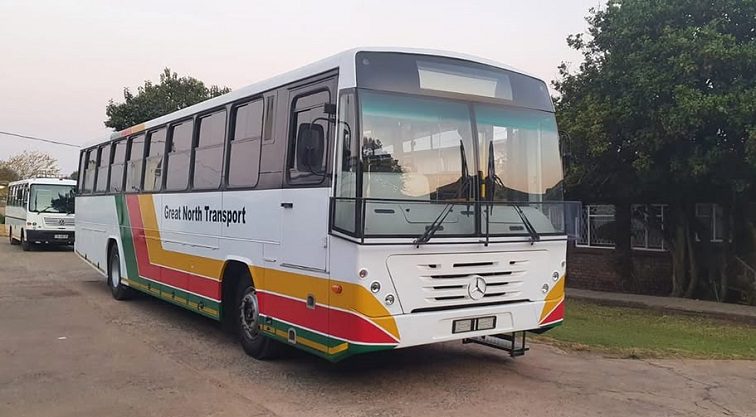
Great North Transport has received substantial public funding while its fleet, finances and service delivery have deteriorated. From missing pension contributions and procurement concerns to ageing buses and mounting losses, the state-owned operator faces questions that money alone cannot answer.
By Staff Reporter
For years, Great North Transport (GNT) was one of Limpopo’s principal public transport operators, carrying millions of passengers on routes connecting rural communities with towns and cities across the province.
At its historical peak, the state-owned bus company operated about 540 buses on approximately 200 routes and transported an estimated 36 million passengers a year.
By July 2025, however, the number of roadworthy buses had fallen to just 23, according to figures reported by SABC News. The deterioration resulted in the closure of more than 200 routes and left commuters in several parts of Limpopo without regular bus services. GNT said in February 2025 that it had lost more than R300 million over the preceding five years.
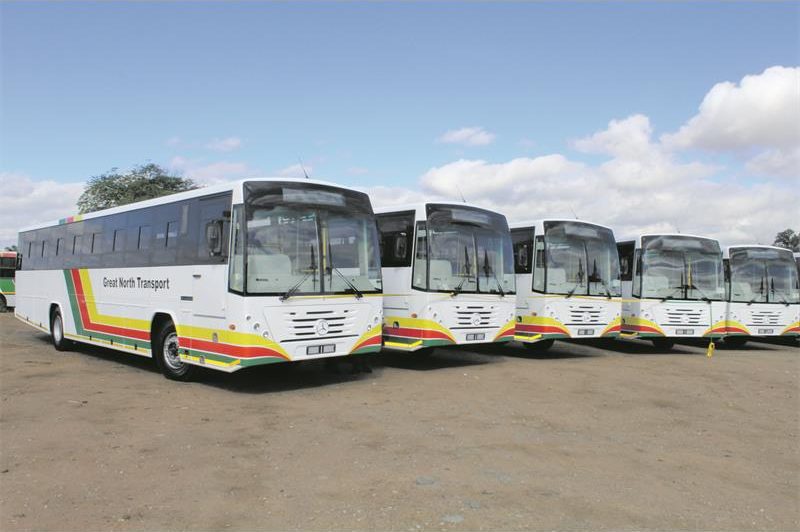
The decline occurred against a history of substantial public financial support and repeated attempts to restore the company. The Democratic Alliance has put the value of taxpayer-funded bailouts and capital support to GNT over the past decade at nearly R1 billion. Provincial budget documents record successive allocations to the company, including R206.667 million in the 2025/26 financial year for the acquisition of buses.
The latest fleet intervention followed the July 2025 low point. In its 2026 State of the Province Address, the provincial government said GNT would receive all 71 buses purchased for the company by 30 September 2026, with deliveries beginning in batches from May. It also said at least 90 buses from the existing standing fleet would be repaired from May 2026.
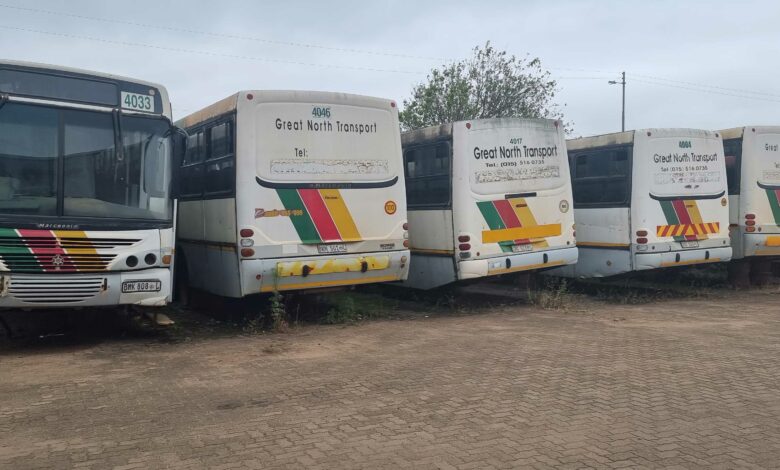
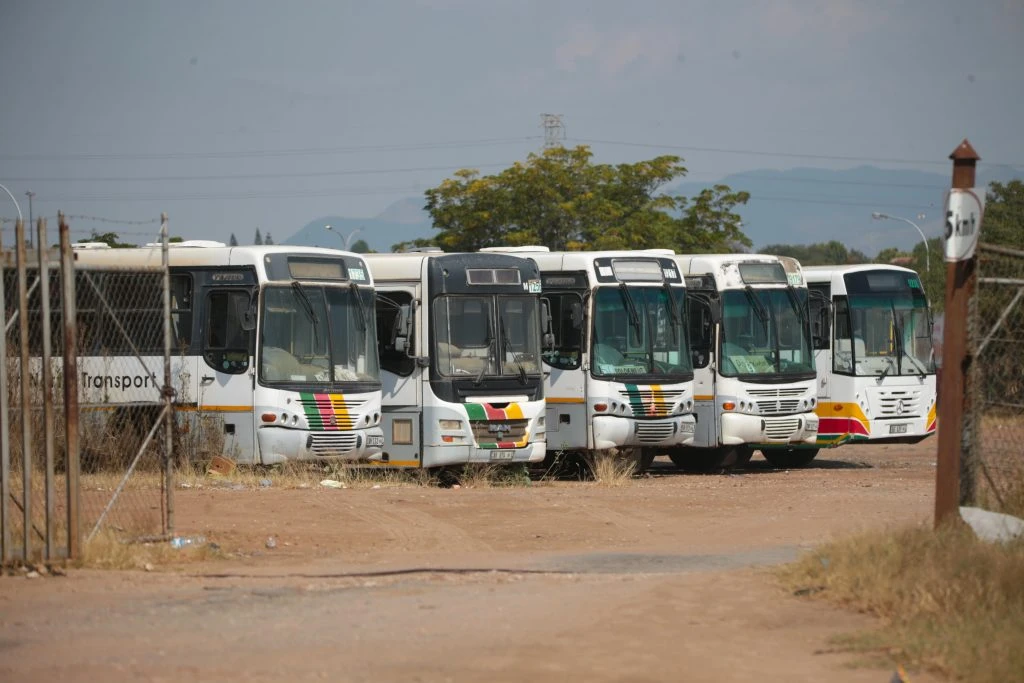
SCOPA’s subsequent inspections showed that new buses were already reaching some depots. In August 2026, the committee reported 15 new buses at Giyani and six at Makhado. At Makhado, however, 61 buses were stationed at the depot, but only 16 were operational, illustrating the gap between the number of buses owned or stationed at a depot and the number available for service.
Routes Disappear As The Fleet Deteriorates
The consequences of the fleet shortage were already being felt across Limpopo when SABC News reported in February 2025 that more than 200 routes had been closed.
In Ga-Molepo, commuter Johanna Lekganyane told SABC News that residents were relying on a single bus from another village.
“Our biggest plea is that at Ga-Molepo, we don’t have bus transport. We are forced to use one bus which comes from Makatjane village. We leave the bus depot late at night, around eight in the evening to 10 pm, and we are badly affected as the elderly wait for long hours for one bus,” Lekganyane said in the report published on 18 February 2025.
Another commuter, Sara Mametja, said residents were having to travel to other villages to find bus services and that taxis were often unaffordable.
“We are badly affected by the lack of transport; we are forced to wake up early in the morning to catch a bus from another village. We don’t have a single bus in our area. Sometimes we use taxis; however, we are tired as we cannot afford to use taxis,” she said.
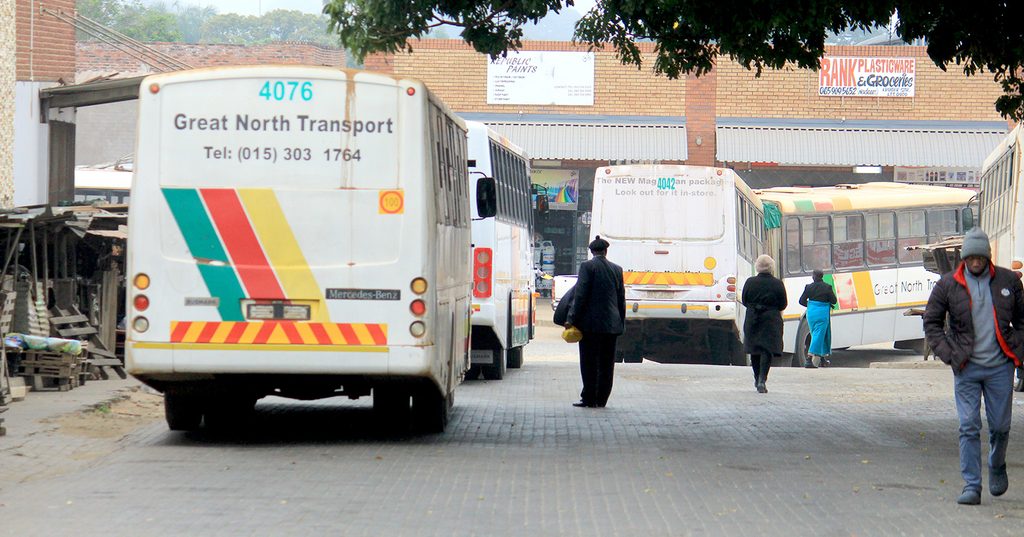
In the same 18 February 2025SABC News report, GNT CEO Dr Matata Mokoele attributed the service problems to the shortage and age of the fleet.
“We have been struggling to service several routes across the province. The reason is that we have a shortage of buses. Most of the buses are old and, as a result, we are experiencing breakdowns daily. When the buses break down, we are already depleted in terms of the fleet, which creates that problem for us. As a result, we end up using the existing buses to do multiple routes,” Mokoele said.
The company said its financial position had made it increasingly difficult to maintain the fleet and service all of its routes.
A Succession Of Turnaround Plans
The deterioration followed several attempts to restore GNT’s operations.
A fleet-renewal plan was initiated in 2013. In 2017, the GNT board commissioned a formal turnaround strategy involving external consultants. LEDA launched another turnaround initiative in 2021/22.
Jacques Smalle, a member of the Limpopo Provincial Legislature, cited the history of those interventions when calling for an investigation into GNT’s decline in July 2025.
“In 2013, LEDA (Limpopo Economic Development Agency) initiated a fleet-renewal plan. In 2017, the board commissioned a formal turnaround strategy with external consultants. In 2021/22, LEDA launched another turnaround drive, and earlier this year, the president authorised a probe into corruption and maladministration at GNT, including irregular appointments, dubious contract extensions, wasteful expenditure, and misconduct by board members and officials,” Smalle said.
Smalle also pointed to the reduction in the fleet and the financial support provided to the company.
“The company was allowed to collapse from 540 buses serving around 200 routes and carrying 36 million passengers a year to just 23 operational buses,” he said. “This collapse happened despite nearly R1 billion in taxpayer-funded bailouts over the past decade.”
He said additional buses would not resolve the company’s problems without changes to its administration.
“New buses are welcome, but new buses alone will not fix GNT,” Smalle said. “Public transport must be funded. Failure must not be bailed out.”
SCOPA Scrutiny
GNT has also come under sustained scrutiny from the Limpopo Legislature’s Standing Committee on Public Accounts (SCOPA).
Earlier SCOPA oversight work described GNT as a “fiscal black hole”and called for further investigation and governance reforms. The committee also recommended measures concerning further capital allocations and the company’s governance, with the possibility of national intervention raised in reporting on its findings.
SCOPA continued its inspections of GNT facilities in 2026.
At Giyani, the committee inspected 15 new buses, while six new buses were inspected at Makhado. The Legislature reported that 61 buses were stationed at Makhado, but only 16 were operational, with an estimated 3,400 daily passengers affected. SCOPA raised concerns about delays in repairs, driver vacancies, cash controls and fuel monitoring.
At Phalaborwa, the committee found only four operational buses serving 16 villages. It raised concerns about revenue and fuel controls, staff shortages, infrastructure and working conditions.
SCOPA called for urgent corrective measures, including a costed and time-bound turnaround plan and stronger oversight of GNT’s operations.
Auditor-General Flags going-concern Uncertainty
The Auditor-General’s 2024/25 provincial report records the extent of GNT’s financial difficulties.
GNT had disclosed a going-concern uncertainty for eight consecutive years. The Auditor-General said the entity was struggling to operate and might require another financial injection from the provincial government to continue its operations.
The report also records a significant gap between GNT’s passenger target and actual performance. The entity had targeted eight million passengers but transported just over five million in 2024/25.
The Auditor-General further reported that 81% of the province’s fruitless and wasteful expenditure was attributable to interest and penalties at GNT and LEDA, as well as avoidable legal fees at the Roads Agency Limpopo.
The Pension Dispute
The problems extend beyond the fleet and balance sheet to the pension benefits of current and former employees.
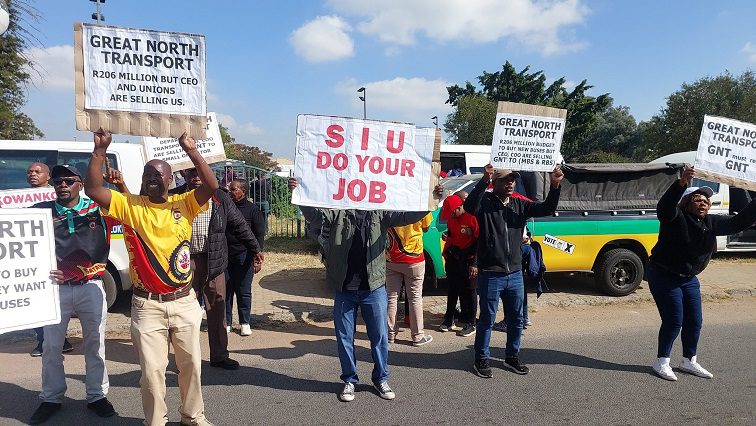
A forensic investigation conducted by BDO found that 11 GNT depots had failed to make pension contributions on time. Reporting on the investigation said contributions had been deducted from employees’ salaries but were not always transferred to the relevant funds. The problem extended over many years.
The amount involved has been reported differently over time. GroundUp reported findings relating to approximately R300 million in pension contributions, while other reports and representations by organisations acting for affected workers have put the figure at more than R500 million.
Reporting in January 2025 said about 800 former employees were still waiting for pension payments, with some having waited for decades. A total of 1,163 affected members had initially been identified, according to GNT spokesperson Leo Gama, with 991 located and 172 still unaccounted for at that stage.
The provincial government has since acknowledged the unresolved pension matter. In its 2026 State of the Province Address, it said the matter was under mediation through the South African Human Rights Commission and that LEDA would procure actuarial services to establish what happened, who was affected and the amounts involved.
GNT spokesperson Patrick Monkoe previously said that some former employees had received pension payments and that efforts were continuing to trace affected beneficiaries.
SIU Investigation
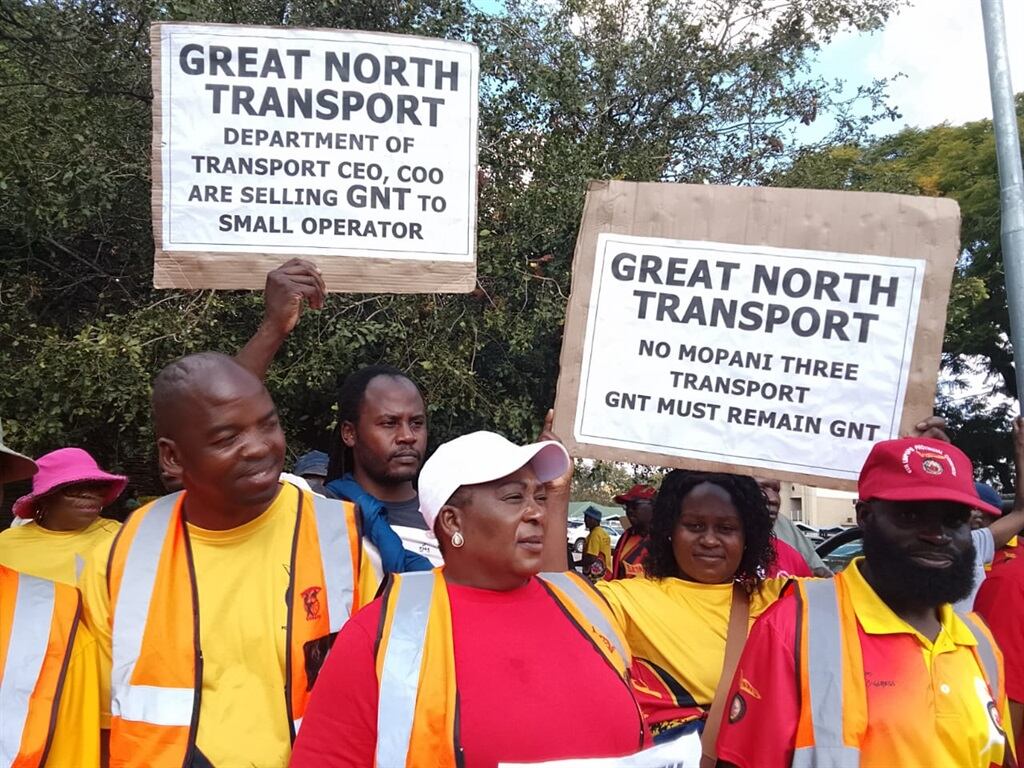
The governance concerns led to a presidential proclamation referring specified matters at GNT to the Special Investigating Unit (SIU).
Proclamation R246 of 2025, published in the Government Gazette on 31 January 2025, authorised an investigation into allegations concerning GNT, including serious maladministration, improper or unlawful conduct by board members, officials and employees, unlawful expenditure of public money or property, irregular transactions involving state property, losses of public money or damage to public property, corruption offences and other improper conduct causing or potentially causing serious harm.
The proclamation covers matters arising from 1 January 2002 and related matters connected to the issues under investigation. It also provides for the recovery of losses suffered by the state or GNT where appropriate.
In February 2025, then-SIU spokesperson Kaizer Kganyago confirmed the scope of the investigation.
“Proclamation 246 authorises the SIU to investigate allegations of eight contracts and maladministration of six contracts in Great North Transport in Limpopo. The SIU will investigate allegations of corruption of board members, officials, or employees of Great North Transport or suppliers and service providers,” Kganyago said.
The provincial government welcomed the investigation and called on people connected to the entity and the department to cooperate with law-enforcement agencies.
“The provincial government welcomes the investigations that are going to continue because of the proclamation,” provincial government spokesperson Ndavhe Ramakuela said. “We have asked all the people in the entity that are involved and those in the department to co-operate with the law.”
Procurement Under Scrutiny
The procurement of leased buses has also attracted scrutiny.
In September 2025, the DA said Auditor-General findings concerning the procurement of 205 leased buses had identified problems in the evaluation and awarding process. According to the party’s account of the findings, bids were not evaluated in accordance with the published specifications; some bidders were awarded more buses than the Bid Evaluation Committee had verified, three successful bidders submitted similar documentation, one successful bidder was not tax compliant and preferential points were incorrectly allocated.
The claims formed part of the DA’s call for further investigation into GNT’s procurement and financial management.
Executive Suspensions
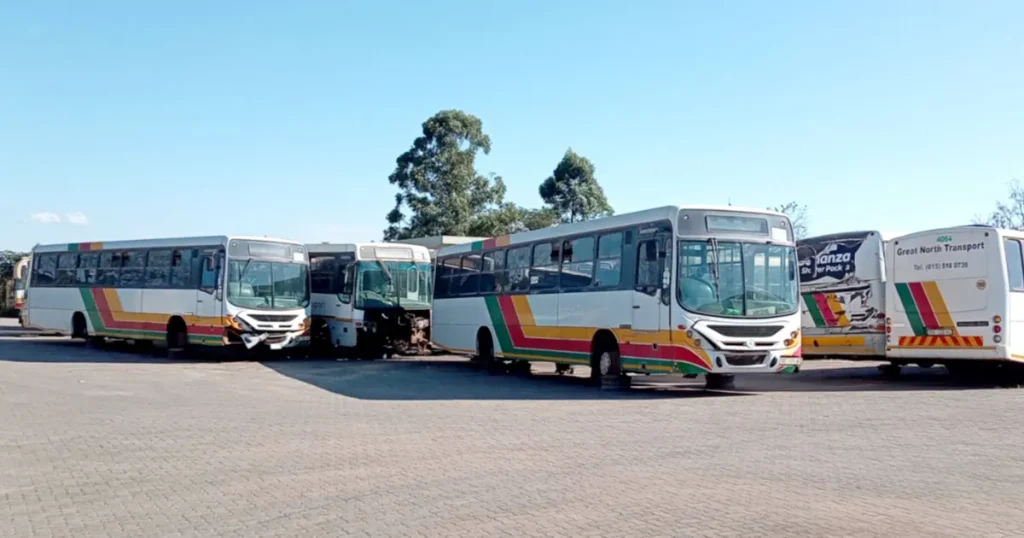
The company’s governance problems also resulted in the suspension of senior executives in May 2025.
SABC News reported on 30 May 2025 that GNT’s board had suspended its chief executive officer, chief financial officer and chief operating officer with immediate effect. The report linked the board’s decision to concerns over financial governance, operational delivery and executive accountability. It also reported that management had failed to pay medical-aid and pension contributions for six months despite deductions having been made from employees’ salaries.
Patrick Monkoe, then a spokesperson for the Economic Development Department, said the board was engaging LEDA for strategic and operational support, including interim leadership resources.
The suspensions came three months after Mokoele’s 18 February 2025 SABC News interview in which he was identified as GNT CEO and explained the company’s shortage of buses.
The Fleet Recovery
The chronology of GNT’s fleet recovery begins after the company reached its reported low point of 23 operational buses in July 2025.
The provincial government had already budgeted R206.667 million for the acquisition of buses in 2025/26.
In its 2026 State of the Province Address, the province said 71 buses had been purchased and would be delivered to GNT in batches from May 2026, with all 71 due by 30 September. At the same time, it said at least 90 buses from the existing standing fleet would be repaired, also from May.
The recovery programme therefore involved both new vehicles and the restoration of buses already owned by GNT.
The province also began strengthening technical capacity. The first intake of 10 diesel-mechanic students from Sekhukhune TVET College started at the Makhado and Seshego depots on 2 March 2026.
By August 2026, SCOPA’s depot inspections showed the first tangible results of the new-bus programme. Giyani had received 15 new buses and Makhado six. At the same time, Makhado had 61 buses stationed at the depot but only 16 operational, while Phalaborwa had only four operational buses serving 16 villages.
The figures show that the fleet-recovery programme was under way but that the number of buses delivered or stationed at depots did not automatically translate into equivalent numbers of operational vehicles.
Another Financial Intervention
While the fleet programme was being implemented, GNT continued to face financial pressure.
The company sought approximately R198.848 million in bridge financing in 2026 and entered consultations under Section 189 of the Labour Relations Act concerning possible retrenchments. Reports on the application said the funding was intended to support the company’s operations while its turnaround programme was being implemented.
That request followed years of financial support, repeated turnaround programmes and the allocation of further public funds for fleet renewal.
GNT’s record now spans the 2013 fleet-renewal programme, the 2017 turnaround strategy, the 2021/22 LEDA intervention, the closure of more than 200 routes in 2025, the fall to 23 operational buses by July 2025, the SIU investigation launched under Proclamation R246 of 2025, the pension dispute, executive suspensions, further financial support and the 2026 programme to deliver 71 new buses and repair at least 90 existing vehicles.
The immediate challenge is no longer only the acquisition of buses. The company must also keep those vehicles operational, restore routes, recruit and retain the required technical and driving staff, strengthen financial and fuel controls, resolve outstanding pension matters and implement the governance measures that have been raised through oversight and investigative processes.
For the communities that depend on GNT, the measure of recovery will ultimately be the number of available buses, maintained and running on the routes they are supposed to serve.