

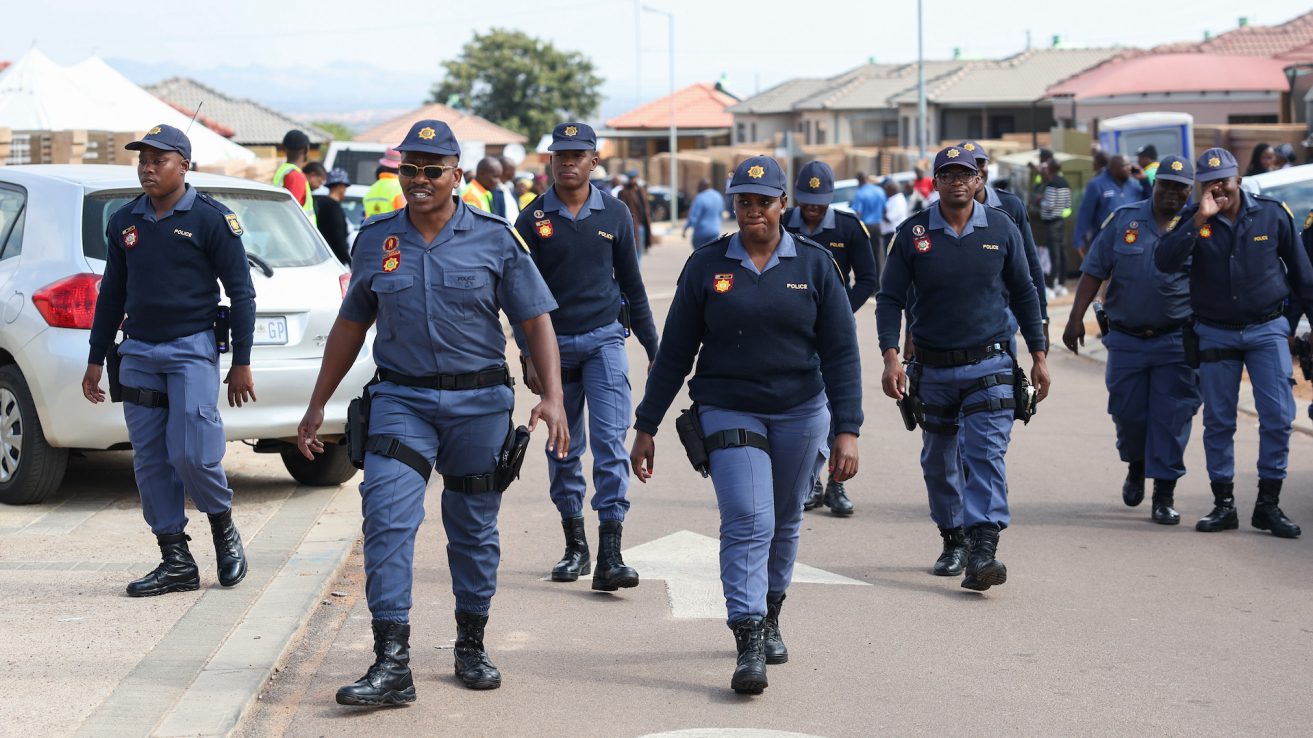
The budget looks impressive on paper. On the streets, the reality is one of grounded vehicles, overwhelmed detectives, and a police service stretched to breaking point.
By Staff Reporter
South Africa’s police service received R127 billion in the 2026/27 financial year. Yet across the country, detectives are drowning in case files, stations are struggling with broken vehicles, and officers are relying on outdated systems to fight increasingly sophisticated criminals.
This sharp contradiction lies at the heart of South Africa’s public safety crisis.
An analysis of internal parliamentary disclosures and fiscal records reveals that the impressive headline allocation does not translate into operational readiness on the ground.
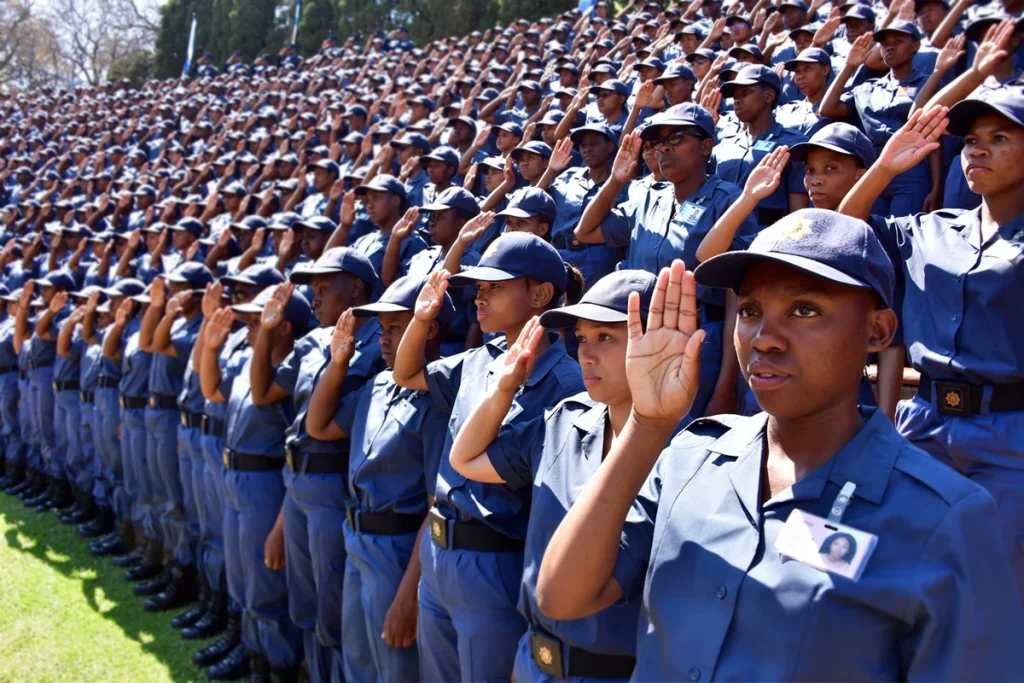
More than 80 per cent of the total police budget is absorbed directly by employee salaries, pensions, and medical benefits.
After salaries and benefits are paid, SAPS has far less money available for vehicles, equipment, and technology.
The result is a widening gap between the money allocated nationally to policing and the resources available at the station level.
Staffing Shortages and Detective Backlogs
Internal parliamentary reviews indicate a national staffing shortage of over 20 per cent, with frontline shift shortfalls reaching up to 42 per cent in high-crime policing areas.
Furthermore, administrative duties, medical leave, and logistical constraints mean that only 45 per cent of existing personnel are currently available or equipped for active frontline duty.
This staffing shortfall has impacted the national police-to-population ratio.
While the United Nations standard recommends a ratio of approximately one police officer for every 220 citizens, the ratio in South Africa has deteriorated to roughly one officer for every 427 citizens.
The disparity is wider in high-density precincts within Gauteng, KwaZulu-Natal, and the Western Cape.
The resource shortage is also evident within the Detective Service, which currently faces a national shortfall of over 2,300 specialised detectives.
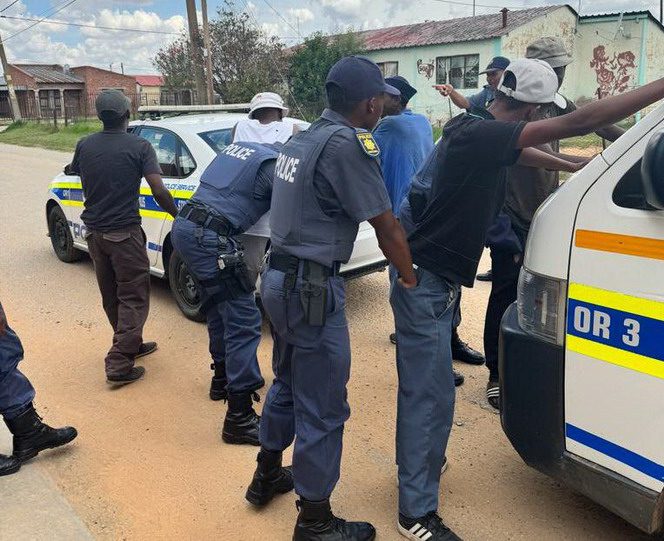
As experienced investigators leave for private security jobs, the officers left behind are burdened with impossible workloads.
In high-volume stations, individual detectives frequently manage more than 180 active case dockets concurrently, slowing down court cases and letting criminals walk free.
On the Ground: The Human Cost of the Breakdown
Behind these national figures lies a daily operational reality documented in parliamentary disclosures, oversight findings, and station-level reports.
In high-volume precinct offices, reports indicate that a single detective carrying 180 active dockets faces an impossible mathematical reality.
Managing that volume leaves less than twenty minutes per week for any single investigation, resulting in murder, armed robbery, and assault files sitting untouched in cardboard archive boxes for months.
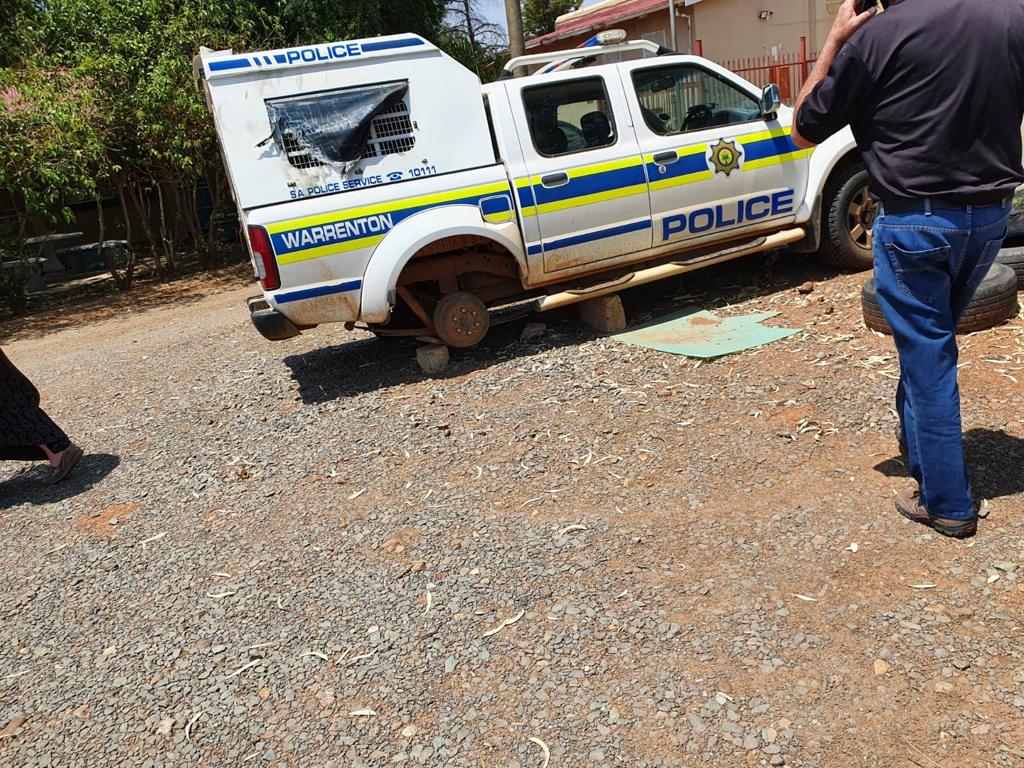
At the station management level, vehicle shortages routinely force administrators into emergency improvisation.
Station disclosures reveal that commanders overseeing precincts with multiple grounded patrol vans have been forced to borrow working vehicles from neighbouring districts or local agricultural unions simply to respond to domestic violence calls or armed robbery alerts.
For victims of violent crime, these fleet shortages create agonising delays. Oversight reports show that at several stations, officers responding to reports of serious crimes have been forced to sit and wait for patrol vehicles to return from other scenes, delaying response times during the critical first hours after an incident is reported.
For families visiting police stations to check on the progress of a case, the failure of digital modernisation translates directly into prolonged trauma.
Parliamentary oversight visits document instances where visitors are met by officers searching through metal filing cabinets for missing paper dockets, only to be told that ballistics reports or witness statements have not yet been processed.
On night patrols in remote rural areas, field reports highlight severe safety risks caused by non-functional station communications.
When two-way vehicle radios fail on isolated roads at two in the morning, constables are frequently forced to rely on their personal mobile phones and airtime to verify vehicle license plates or call for emergency backup.
Expert Analysis and Institutional Critique
Security analysts warn that every delayed investigation carries a wider cost: victims lose faith in a criminal justice system already struggling to convince communities that reporting crime is worthwhile.
“When murder and robbery dockets sit on a desk for months without an arrest, victims stop reporting crimes altogether,” says Gareth Newham, head of the Justice and Violence Prevention Programme at the Institute for Security Studies. “A police force cannot deter criminals when the public knows the detective branch is too under-staffed to build a solid court case.”
Civil rights advocates focusing on violent crime point out that additional personnel deployments yield minimal results without dedicated investigative infrastructure.
“Deploying extra patrols may create short-term visibility, but it is like putting a plaster on a haemorrhage,” states Juanita du Preez, national spokesperson for Action Society. “What these stations need is properly resourced investigative capacity. More boots on the ground will not lead to more convictions if the detectives, forensic services, and prosecutors behind those arrests are already overwhelmed.”
Vehicle Fleet and Infrastructure Constraints
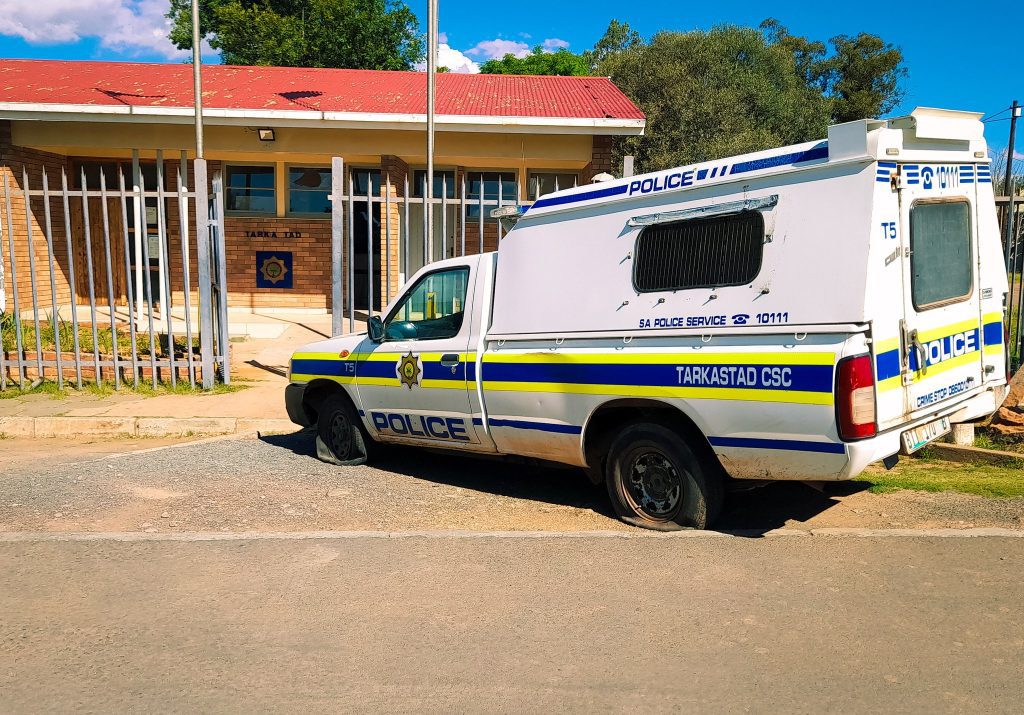
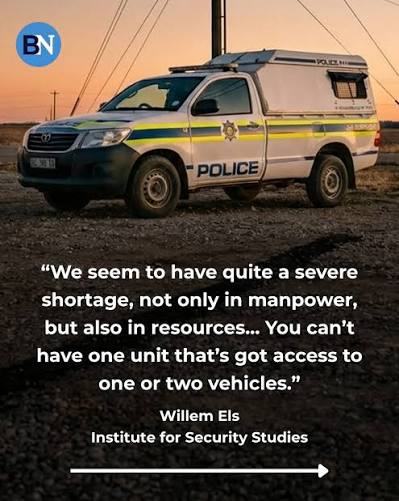
Police officers simply cannot get to crime scenes because they do not have enough working cars. Approximately 7,500 police vehicles nationwide are currently unserviceable and awaiting maintenance or repairs in mechanical workshops.
At the station level, specialised units—such as anti-gang and stock theft units—are regularly required to share a single operational vehicle across an entire district.
This vehicle shortage frequently delays emergency response times to reported crimes.
In addition to fleet shortages, physical infrastructure at several rural and township stations is falling apart.
Stations are struggling with pitch-black security lights, broken toilets, flooded holding cells, and dead phone lines.
In certain instances, station personnel utilise personal mobile phones to coordinate operational responses.
Labour representatives maintain that rank-and-file officers are being forced into dangerous situations without adequate operational backing.
“Our police officers are under-resourced, under-staffed and overburdened,” says Richard Mamabolo, media and communications officer for the Police and Prisons Civil Rights Union. “We cannot expect officers to fight high levels of violent crime when they lack basic tools of trade, from working vehicles to protective gear.”
Parliamentary oversight bodies stress that structural mismanagement at station levels directly undermines public safety.
“When stations lack running vehicles, basic equipment, and adequate staffing, communities are left completely exposed,” says Ian Cameron, chairperson of the Parliamentary Portfolio Committee on Police. “Parliamentary oversight must focus relentlessly on ensuring that allocated funds reach frontline stations where they are needed most, rather than being swallowed up by administrative overheads.”
Digital Infrastructure and Modernisation Backlogs
The police service currently faces an estimated R5.8 billion IT modernisation shortfall, impacting the implementation of digital management tools:
· Integrated Case Docket Management System: The rollout of this system remains incomplete, requiring stations to continue using physical paper dockets.
· Body-Worn Cameras: The deployment of body-worn cameras for frontline personnel remains stalled due to procurement delays and technical support constraints.
· Hardware Availability: Multiple detective branches report shortages of functional computers and specialised software required for digital forensics and financial data analysis.
Government Response and Structural Reform
In response to these operational challenges, Acting Police Minister Firoz Cachalia initiated a multi-year police reset agenda in coordination with National Treasury.
The strategy aims to reform procurement processes, prioritise resources for the 50 highest-crime precincts, and introduce measures to retain specialised investigative personnel.
Addressing lawmakers during his budget address, Cachalia defended the necessity of systemic oversight while acknowledging the broader social context of violent crime.
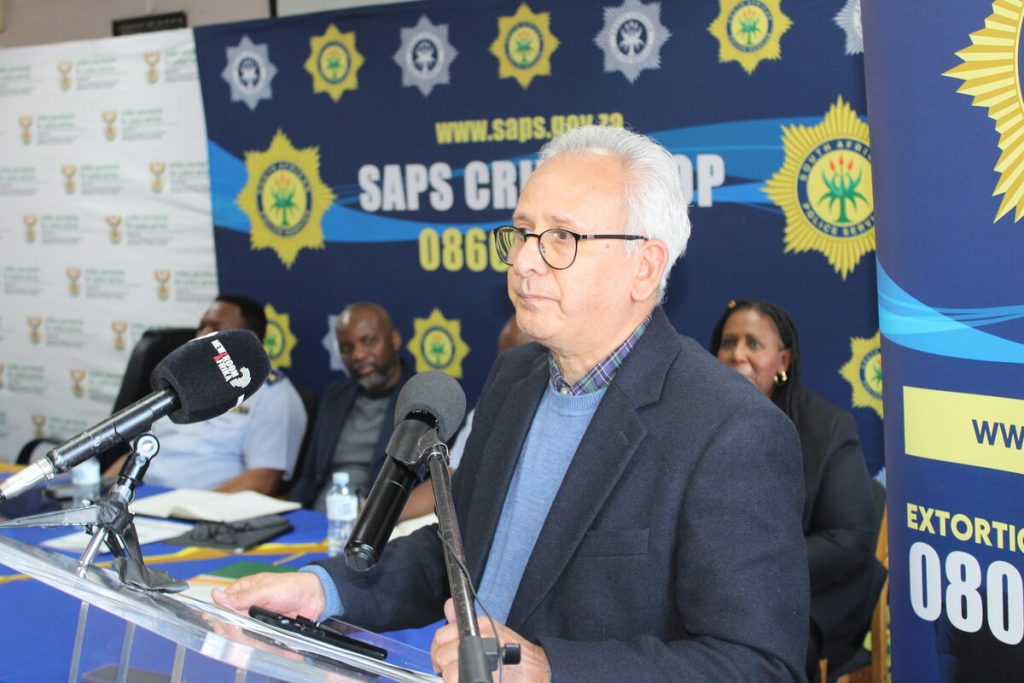
“Holding people accountable is part of our police reset agenda,” Cachalia stated. “The police budget is not just about rands and cents. It is about whether a child can walk to school safely and whether a woman can return home from work without fear. However, we must recognise that policing alone cannot solve crime when violence is driven by deep poverty, substance abuse, and broken local infrastructure.”
Despite these policy interventions, oversight bodies, labour unions, and civil society organisations argue that South Africa’s policing crisis will not be resolved simply by increasing the police budget.
Until more of the money already allocated reaches frontline policing, detectives will remain overwhelmed, patrol vehicles will continue to stand idle, and communities will keep paying the price for a police service that has the funding, but not the operational capacity, to meet the country’s crime burden.