

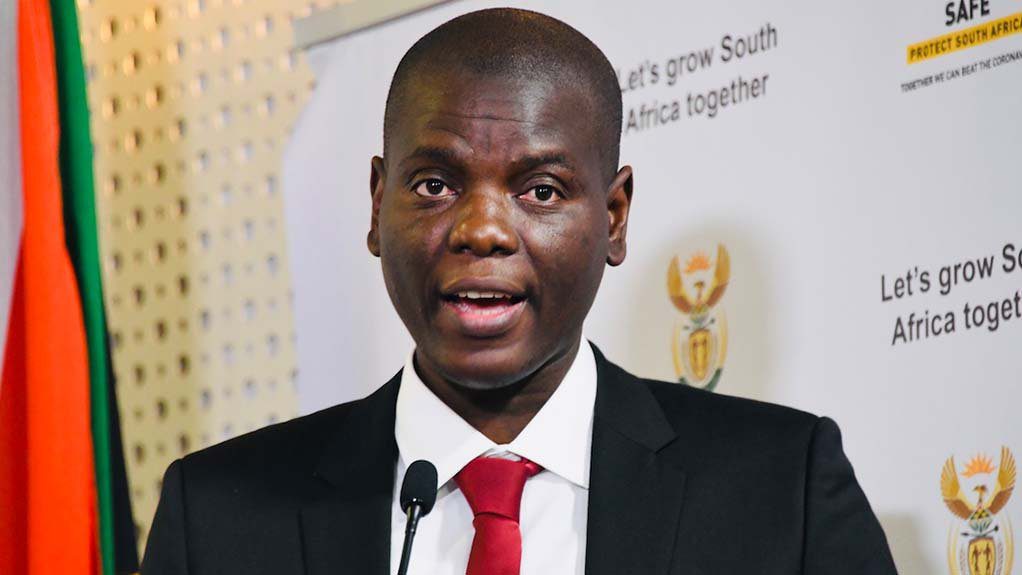
South Africa finds itself at the centre of a growing continental conversation about migration, sovereignty and African solidarity. Following concerns raised by ECOWAS, Pretoria has defended its commitment to human rights and the rule of law, while calling for a broader African response that tackles the poverty, instability and governance challenges pushing people across borders.
By Political Correspondent
South Africa has renewed its commitment to African unity and the rule of law following growing regional debates over migration and the treatment of foreign nationals.
In a formal statement issued on Thursday, the Department of International Relations and Cooperation (DIRCO) responded to concerns raised by the Economic Community of West African States (ECOWAS).
The response highlights the balancing act South Africa faces as it seeks to maintain strong diplomatic ties across the continent while enforcing its domestic laws.
Tensions and Diplomacy
The latest diplomatic discussion follows the 69th Ordinary Session of the ECOWAS Authority of Heads of State and Government, where leaders discussed regional stability and human movement across borders.
While South Africa is located thousands of kilometres away from West Africa, its economic standing makes it a major destination for migrants from across the continent.
Relations with West African nations, particularly Nigeria and Ghana, have occasionally faced strain over visa policies, trade, and the security of migrant communities.
DIRCO said South Africa regarded ECOWAS as an important partner in Africa’s integration efforts.
“South Africa views ECOWAS as a vital pillar of continental integration,” the department said, adding that the country remained committed to “open, constructive, and action-oriented dialogue” with ECOWAS member states on matters of mutual concern, particularly regional stability and migration management.
The statement comes as Pretoria seeks to reassure African partners that it remains committed to cooperation while also defending its responsibility to enforce its own laws.
Migration Dynamics in the Region
Although discussions with West African countries frequently capture headlines, official data shows that the vast majority of cross-border movement into South Africa originates from neighbouring countries within the Southern African Development Community (SADC).
Because of this geographical reality, South Africa’s high-volume migration management naturally focuses on its immediate neighbours. However, maintaining constructive bilateral channels with West African partners remains a strategic priority for Pretoria.
The government has also sought to separate migration itself from criminality, arguing that foreign nationals must be protected from discrimination while those who break the law must face the consequences.
DIRCO reiterated that South Africa rejected all forms of prejudice.
“We categorically reject xenophobia, racism, homophobia, intolerance and discrimination in all their manifestations,” the department said.
It added: “Upholding the dignity of every person within our borders is both a constitutional imperative and a moral duty.”
Root Causes Under the Spotlight
Responding to the broader debate, the Minister of International Relations and Cooperation, Ronald Lamola, called for a fundamental shift in how African leaders approach migration.
Rather than treating migration merely as a border control problem, Lamola argued that the African Union must address the reasons why people leave their home countries in the first place.
Lamola said that establishing a dedicated agenda item at the African Union to address the primary push-and-pull factors and root causes of irregular migration, focusing squarely on good governance, democracy, and economic stability, would enable a practical and comprehensive approach to continental migration challenges.
The minister stressed that the goal should be to make migration a choice driven by opportunity, rather than a necessity forced by poverty, instability or a lack of economic prospects.
Legal Protections and the International Arena
The government also addressed a recent petition submitted to the International Criminal Court (ICC) by two Ghanaian citizens concerning the treatment of foreign nationals in South Africa.
DIRCO dismissed the petition, stating that it failed to meet the legal requirements needed for the ICC to take action.
South Africa said that under the principle of complementarity, its own justice system remained capable of dealing with offences committed within its borders.
The government pointed to existing domestic laws, including the Prevention and Combating of Hate Crimes and Hate Speech Act, saying the legislation provides a legal framework to deal with racism, xenophobia and other forms of intolerance.
The Act creates specific offences relating to hate crimes and hate speech, allowing offenders to be prosecuted through South Africa’s courts.
As discussions continue at the African Union level, South Africa faces the ongoing task of reassuring continental partners of its commitment to human rights while addressing domestic pressures around migration management.