

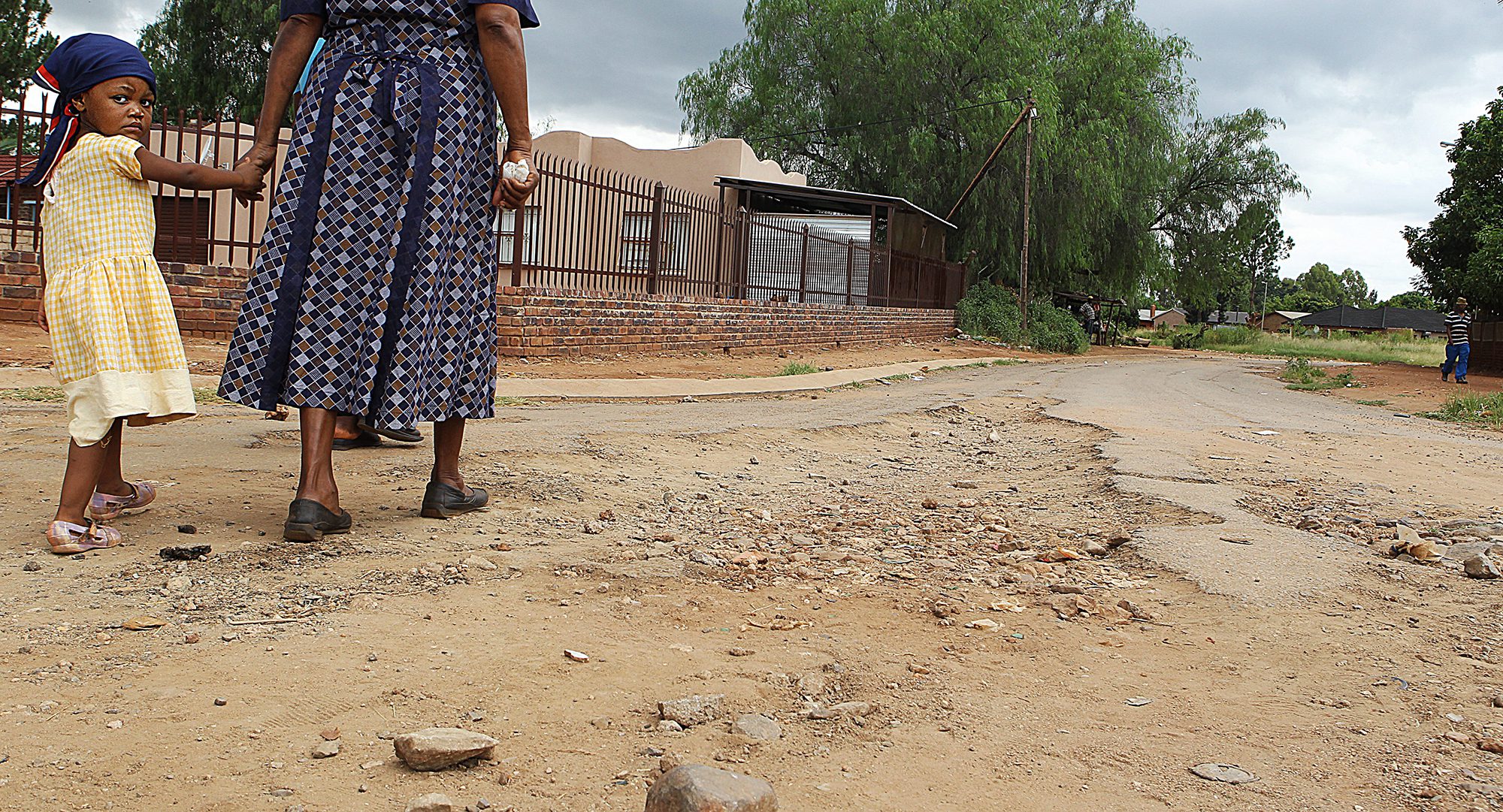
As corruption, deteriorating infrastructure and failing public services continue to burden Limpopo, Seun Mogotji argues that transparent leadership, economic justice and meaningful investment are essential if government is to regain the confidence of the people.

By Seun Mogotji
Limpopo stands at a crossroads. It is a province rich in people, natural resources and potential, yet too many of its communities continue to endure poverty, crumbling infrastructure, weak public services and limited economic opportunities.
This is not because solutions do not exist. It is because governance has too often failed the very people it was meant to serve.
For decades, election after election has brought promises of development, better schools, improved healthcare, reliable water, decent roads and jobs. Yet for countless working-class and rural communities, these promises have remained little more than campaign slogans.
The gap between what was pledged and what has been delivered continues to widen, eroding public trust in democratic institutions.
Communities that faithfully participate in elections deserve more than speeches and manifestos. Their commitment to democracy must be rewarded with visible improvements in their daily lives.
Every child deserves a safe school with proper sanitation and adequate learning materials. Every teacher deserves the support necessary to provide quality education. Every family deserves access to functioning healthcare facilities, clean water and reliable public infrastructure.
Education remains one of the most powerful tools for breaking the cycle of poverty. Yet too many schools in rural Limpopo continue to struggle with inadequate facilities and poor resources.
A province cannot build a prosperous future while its children are denied the basic conditions necessary for learning. Investment in education is not a favour bestowed upon communities. It is a constitutional obligation and an investment in South Africa’s future.
The same principle applies to healthcare. Rural communities should not have to accept failing hospitals, overstretched clinics and deteriorating facilities as the norm.
Institutions such as Philadelphia Hospital, together with many other public health facilities across the province, require urgent investment if they are to provide the quality care that citizens deserve.
Infrastructure has become another symbol of institutional neglect. Roads continue to deteriorate, water supply systems remain unreliable, and municipal infrastructure has been allowed to decline through years of poor planning, weak oversight and inadequate maintenance.
Strategic routes such as the R25 corridor require urgent rehabilitation, not only to improve mobility but also to stimulate local economic activity and connect communities to opportunities.
Corruption has compounded these challenges. Every rand stolen from the public purse is money taken from classrooms, clinics, roads and municipal services.
The collapse of VBS Mutual Bank remains one of the clearest reminders of how corruption can devastate public institutions and destroy public confidence.
Those found guilty through due legal process must be held accountable. Equally important, every unlawfully diverted public fund should be recovered and redirected towards rebuilding communities instead of enriching individuals.
The agricultural sector also demands greater scrutiny. Farm workers and other vulnerable employees deserve the full protection of South Africa’s labour laws. Exploitation has no place in a democratic society.
Labour inspections must be strengthened, employers must comply with minimum labour standards, and government must improve regulatory oversight and border management to ensure lawful employment practices that protect both workers and the integrity of the labour market.
The people of Limpopo are not asking for special treatment. They are asking for government to fulfil its basic responsibilities with honesty, competence and accountability.
Service delivery, job creation, quality education and economic justice should never be treated as optional political commitments. They are the foundation of a functioning democracy.
The time has come to move beyond empty promises. Public confidence cannot be restored through political rhetoric alone. It can only be rebuilt through ethical leadership, transparent governance and measurable improvements in the lives of ordinary citizens.
The working people of Limpopo have waited long enough. Their patience should no longer be mistaken for acceptance.
Democracy carries responsibilities not only for citizens who vote, but also for those elected to govern.
The true measure of leadership is not found in campaign speeches but in the daily realities experienced by the people.
Seun Mogotji is the Secretary General of Bolsheviks Party of South Africa