

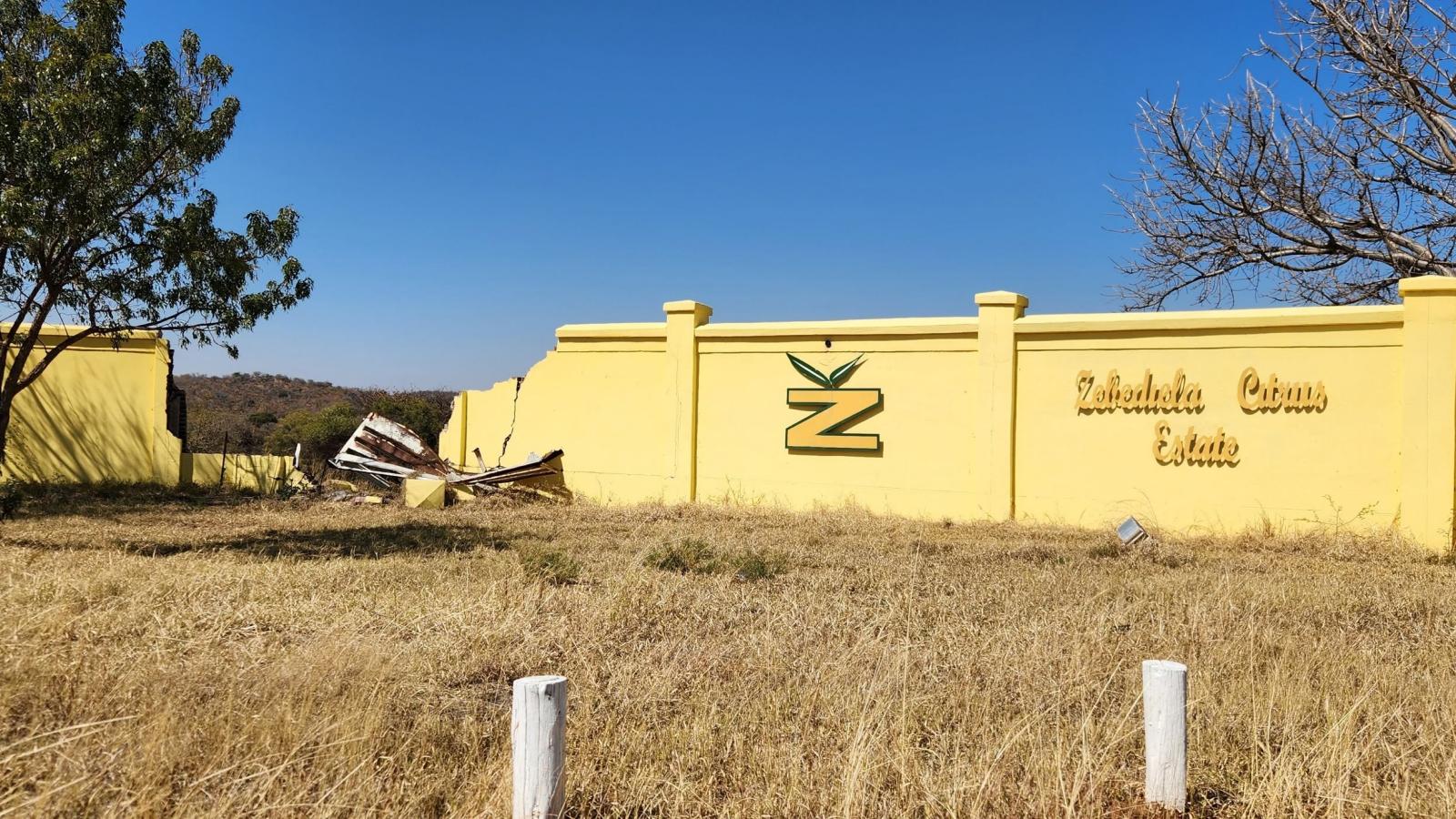
Once the crown jewel of South African agriculture, Limpopo’s Zebediela Citrus Estate exported millions of cartons of oranges worldwide. Today, its orchards stand dead, destroyed by debt, governance battles and arson. Behind the blackened gates of a ruined farm lies a story of broken promises, stranded workers and bitter collapse.
By Staff Reporter
Maria Lekoloane spent fifteen years walking between the lush, fragrant rows of the Zebediela Citrus Estate, her hands picking the fruit that once fed millions across Europe and Asia.
Today, she stands beside a dry, rusted pump station, watching local cattle graze on weeds where three million cartons of export oranges were once harvested every year.
“We get excited every time the provincial government promises to restore the plantation, only to be disappointed when nothing happens,” Lekoloane says, gesturing across thousands of hectares of dead, grey trees. This whole situation has brought misery to the community. The jobs our people had are gone.”
Behind her, near the broken entrance gates of the 13,000-hectare estate, sits the blackened, roofless shell of the main export packhouse—destroyed by arson in August 2023.
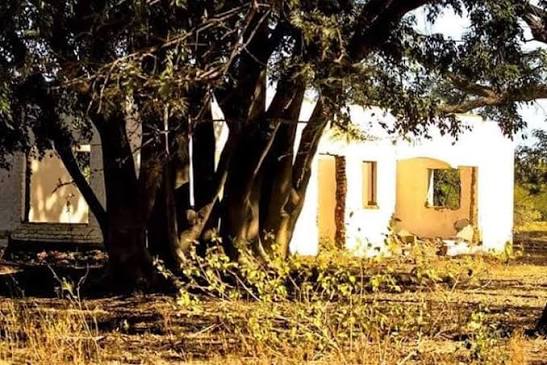
Once celebrated as the largest single citrus producer in the Southern Hemisphere and a major engine of South Africa’s agricultural export economy, Zebediela today sits in voluntary liquidation, saddled with nearly R180 million in debt—more than double the original price the state paid to purchase the farm for local beneficiaries two decades ago.
The farm’s downfall is not a simple story of bad weather or administrative drift. It is an anatomical breakdown of South Africa’s land restitution framework, marked by a ticking biological clock, crippling governance disputes, debt traps and total security failure.
The Restitution Promise and the Biological Clock
Founded in 1917, Zebediela was a self-contained agrarian city. It built its own rail sidings, funded local schools, paid for university bursaries and sustained generations of families across 21 surrounding villages.
In 2003, the South African government purchased the property for roughly R65 million under its post-1994 land restitution programme.
Ownership was transferred to the Bjatladi Communal Property Association (CPA), representing over 400 local households.
To maintain commercial export operations, the state set up a joint venture: commercial operator John Charles Boyes held 50 per cent, the Bjatladi CPA held 38 per cent, and the Zebediela Workers’ Trust held 12 per cent.
The arrangement wedded commercial expertise to community ownership, but it built in immediate structural tension. Commercial operators needed cash flow reinvested into the soil, while impoverished community members expected immediate dividends.
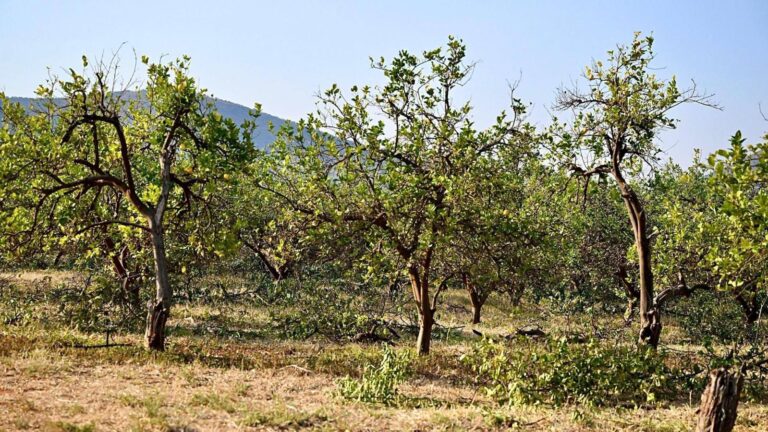
Crucially, both sides ignored a strict biological reality: citrus trees have an optimal commercial lifespan of 25 to 30 years. By 2003, large blocks of Zebediela’s orchards were already reaching the end of their economic lives. Replacing an orchard costs tens of thousands of rands per hectare and yields no marketable fruit for up to five years.
Instead of funding systematic replanting, revenues were swallowed by operational disputes and dividend demands.
Partner Flight and the Debt Trap
By 2014, the relationship between community representatives and commercial management had turned toxic. CPA leaders accused management of hiding financial figures, while commercial operators cited constant political interference.
When Boyes exited the joint venture in 2016 following legal settlements, he took established international buyer networks and crucial working capital with him.
In the management vacuum, attorney Tumi Mokwena stepped in to direct administrative affairs, triggering deep fractures within the community.
Dissident beneficiaries formed the Save Zebediela Citrus Estate Committee to challenge the CPA executive, alleging that revenues were unaudited and state support grants had vanished.
“The beneficiaries are not even living in the farmhouse; they are living in shacks on the property because none of them were trained farmers,” noted former Shoprite chief executive Whitey Basson, in an interview with newsday.co.za, pointing to Zebediela as a stark warning against transferring complex enterprises without long-term technical backing. The current redistribution model is broken. We need a practical, workable framework.”
Desperate to pay wages and power bills, the CPA signed a deal in 2017 with Eight Mile Investments, an entity linked to Russian fruit distributor Fruitco.
Eight Mile promised R100 million for infrastructure in exchange for a 50 per cent profit share, but the arrangement loaded the fragile farm with expensive commercial debt.
As cash reserves evaporated, chemical spraying schedules fell behind. Outbreaks of Citrus Black Spot and thrips swept through the unmaintained trees, leading European Union plant inspectors to reject entire shipments.
Cut off from lucrative foreign markets, Zebediela was forced to dump its fruit onto the domestic market for pennies on the rand, gutting its primary income stream.
Unpaid Power, Arson, and Total Collapse
The paper losses quickly became physical ones. As municipal and Eskom bills mounted unpaid into millions of rands, power to the main water pump stations was cut. During critical flowering seasons, orchards went weeks without irrigation, dropping immature fruit onto the baked soil.
Without funds to pay perimeter security, the unfenced estate was systematically plundered:
· Copper cables, borehole pumps and metal piping were cut out and sold for scrap.
· Heavy tractors and earthmovers were stripped for parts or abandoned to rust in the fields.
· Nearby residents cut down mature orange trees for firewood, while uncontrolled cattle herds grazed through young orchards, crushing root systems.
The final blow landed in August 2023, when an arson fire reduced the primary export packhouse to ash. Deprived of the facility required to wash, sort and cold-store fruit, the operating company filed for voluntary liquidation.
“You need skills to become a farmer and land owner,” said Justin Chadwick, Chief Executive Officer of the Citrus Growers Association. “Having been a farm labourer does not translate into becoming a good farmer.”
A Second Chance: The WIPHOLD Master Plan
Government officials insist the story is not over. Limpopo Premier Dr Phophi Ramathuba has made the resuscitation of Zebediela both an economic and emotional priority for the province.
“I was teary when I drove past and saw that there was nothing left of the trees that once bore the sweetest oranges,” Ramathuba said during a recent visit to the farm. “This farm produced doctors, engineers, teachers and nurses in the past. An asset of this magnitude cannot collapse on our watch.”
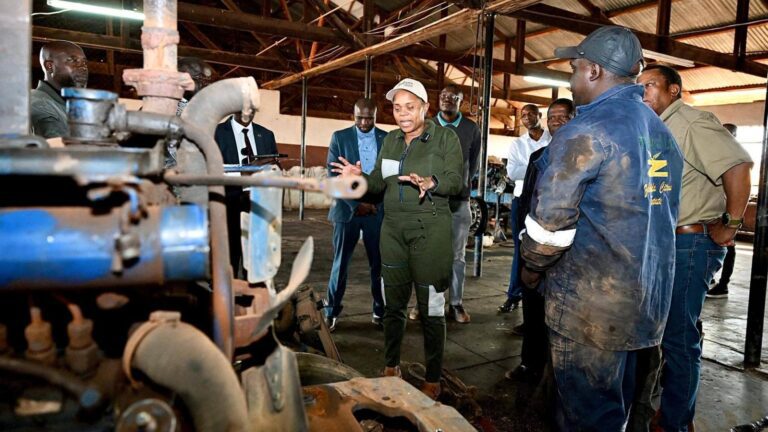
To break the stalemate, the Limpopo Department of Agriculture and Rural Development has partnered with Women Investment Portfolio Holdings (WIPHOLD), a pioneering black women-owned investment company.
Under the new operating model, historic governance deadlocks are addressed directly through a restructured equity split:
40% Equity: Held by the Bjatladi CPA on behalf of community beneficiaries.
40% Equity: Held by WIPHOLD as strategic investor and managing partner.
20% Equity: Allocated to an experienced, commercial implementing farmer responsible for daily agricultural operations.
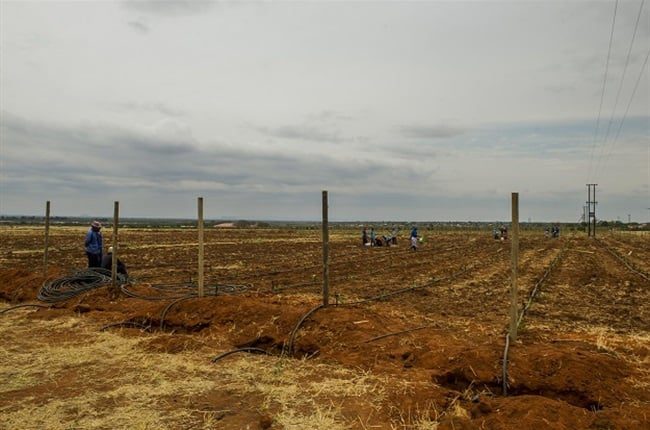
The master plan involves clearing over 95 per cent of the dead trees and replanting 1,500 hectares with high-yield citrus varieties and macadamia nuts.
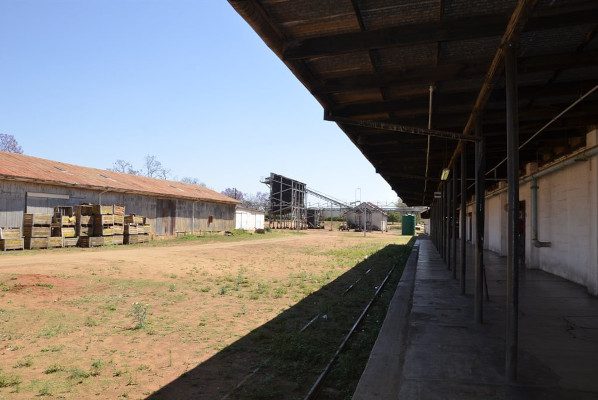
Future phases include constructing an on-site juice processing plant to capture local value and creating more than 2,000 permanent jobs.
Whether this fresh attempt can overcome two decades of institutional mistrust, clear R180 million in liquidation liabilities and protect young trees from plunder remains the ultimate test—not only for the people of Zebediela, but for the future of commercial land reform in South Africa.