By Business Reporter
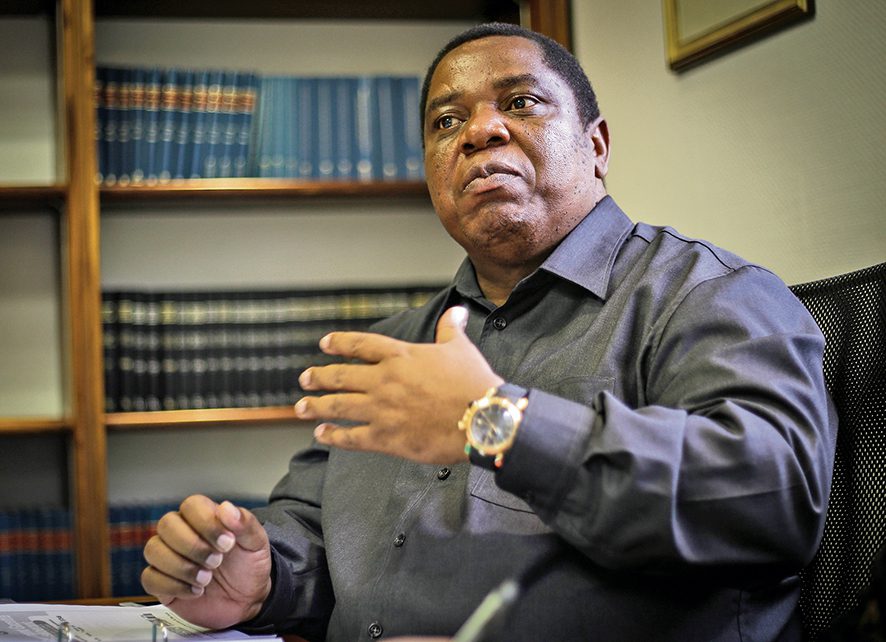
When South African industrialist Robert Gumede led his executive team from the Vision Consortium into a high-level briefing with King Misuzulu kaZwelithini in Durban, the discussion centred on the future of Tongaat Hulett and the wider sugar industry in KwaZulu-Natal.
The meeting was part of an effort to link the company’s plans for growth with the communal agricultural land administered through the Ingonyama Trust.
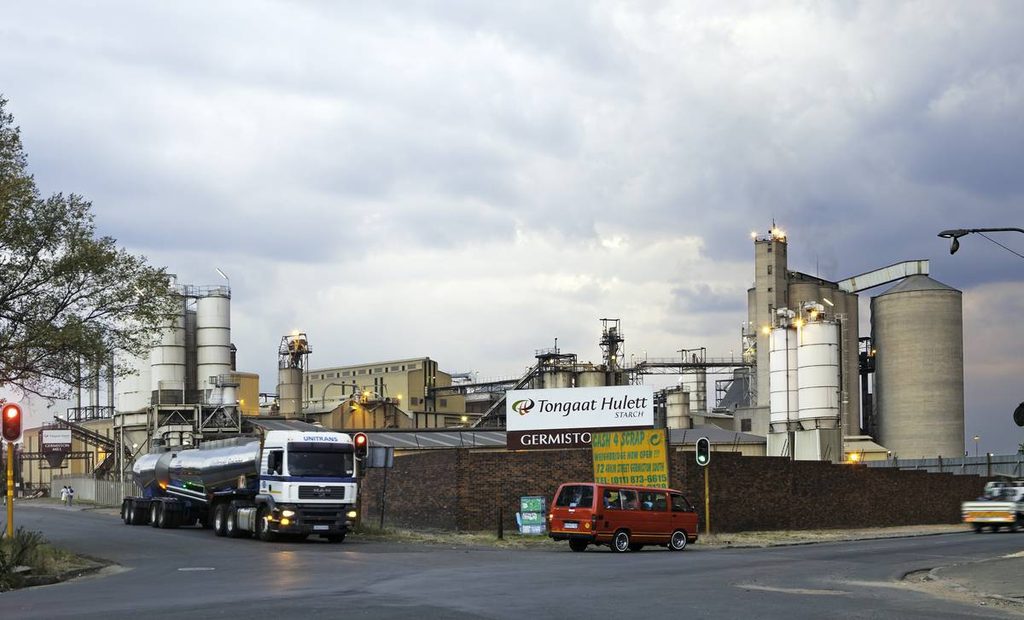
Having acquired a controlling interest in the 134-year-old sugar producer following its high-profile collapse into business rescue, Gumede presented a plan to move Tongaat beyond its traditional dependence on sugar.
The strategy seeks to use sugarcane in several ways, producing bioethanol fuel, electricity and industrial gases alongside refined sugar.
The stakes are significant for KwaZulu-Natal. An accounting scandal left Tongaat burdened with R11.7 billion in debt, while the local sugar industry is also under pressure from cheaper imports. More than 111,000 tonnes of Brazilian sugar entered South Africa in the first quarter of the 2026/27 season alone, putting additional pressure on an industry already facing difficult commercial conditions.
Gumede’s proposed shift is based on making sugar only one part of the business. As he puts it, refined sugar should become “the cherry on top, rather than the whole business”. The idea is to find other uses for sugarcane that can generate income while creating new markets for the crop.
The Tripartite Energy Model
At the centre of the Vision Consortium’s turnaround plan is the use of South Africa’s annual domestic sugar surplus, estimated at 300,000 tonnes, in three different ways.
1. Bioethanol Distillation (E4.5 Fuel)
The first is bioethanol, a type of alcohol fuel that can be produced from sugar. The strategy draws on South Africa’s national Sugar Master Plan, which provides for a policy framework around a mandatory 4.5 per cent bioethanol blend in commercial petrol.
The basic proposition is straightforward: instead of all the available sugarcane being used to make conventional sugar, some of it could be processed into fuel. This would give growers another market for their crop while providing a locally produced source of fuel.
While neighbouring countries such as Zimbabwe have had fuel-blending programmes for years, South Africa’s fuel sector remains heavily dependent on crude oil imports and synthetic fuels. Tongaat’s proposed bio-refineries would therefore provide another potential use for surplus sugarcane.
2. Biomass Grid Co-generation
The second opportunity comes from something that is normally left behind after sugarcane is processed: bagasse, the fibrous material that remains after the juice has been extracted.
Instead of treating this material as waste, Tongaat’s mills would use it as fuel. New high-pressure boilers would burn the bagasse to produce steam, which would then be used to generate electricity.
Some of that electricity would be used to run the mills themselves, while the surplus could be supplied to Eskom and the eThekwini Metropolitan Municipality. In effect, the sugar mills could become electricity producers as well as sugar producers.
3. Commercial CO₂ Capture
The third opportunity comes from the production of ethanol itself. When ethanol is produced through fermentation, carbon dioxide (CO₂) is released.
Vision plans to capture this CO₂ rather than allow it to escape, then clean and process it for commercial use. The consortium is targeting markets such as beverage-grade gas and medical oxygen, with potential long-term supply agreements with industrial gas distributors such as Afrox.
Communal Land Outgrowers and Employment Targets
The proposed expansion also depends on having enough sugarcane available to keep the new processing facilities operating.
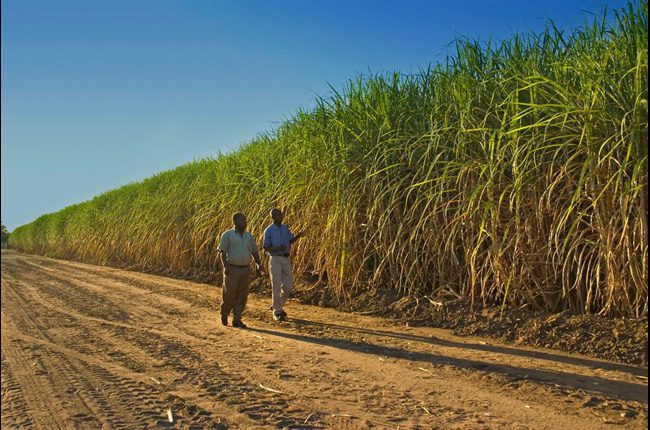
A bioethanol plant needs a large and steady supply of sugarcane. Because cut sugarcane begins to deteriorate within hours, transporting it over long distances can become too expensive. That means the success of the mills depends heavily on farmers operating within the surrounding agricultural areas.
This is where the Ingonyama Trust becomes relevant. King Misuzulu kaZwelithini serves as the sole trustee of the Ingonyama Trust, which administers extensive communal agricultural land across KwaZulu-Natal.
Vision Sugar plans to increase its network of active small-scale black growers from 17,500 to more than 30,000 outgrowers. The intention is to bring more underused communal agricultural land into commercial production and, in doing so, increase the supply of sugarcane available to Tongaat.
The consortium projects that, if the expansion succeeds, the number of direct and indirect jobs connected to Tongaat’s supply chain could rise from 50,000 towards 100,000 in rural districts where unemployment remains high.
To support this agricultural expansion, Vision recruited former Illovo Sugar executive Gavin Dalgleish to head its outgrower development division. Royal representatives, including Royal Chancellor Inkosi Malusi Zondi, have also agreed to facilitate structured discussions involving the monarchy, the consortium and Trade, Industry and Competition Minister Parks Tau.
Financial Constraints and Regulatory Bottlenecks
The plan, however, faces significant financial and regulatory hurdles.
Capital Allocation and Wages: Gumede confirmed that immediate wage increases across Tongaat’s workforce remain paused while cash flow is prioritised towards servicing inherited debt. Instead of immediate pay rises, the consortium is promising long-term worker equity participation once the company has achieved greater operational stability.
Cross-Border Liquidity: The South African turnaround also relies heavily on money generated by Tongaat’s international operations, particularly its 140,000 hectares in Zimbabwe, which produced more than R970 million in profit, and its 300,000 hectares in Mozambique.
Regulatory Approvals: The proposed fuel business cannot proceed fully until the Department of Mineral Resources and Energy finalises the specifications and rules governing the E4.5 fuel blend, including how it will be sold at petrol stations.
The electricity side of the plan also depends on agreements with Eskom and local municipalities setting out how much power they would buy and on what terms. These Power Purchase Agreements (PPAs) would be important in determining whether the consortium can justify the large investment needed to replace and upgrade the mills’ boilers.
If Vision Sugar clears these technical, financial and regulatory hurdles, the proposal would give Tongaat a business model that extends well beyond traditional sugar production.
Instead of relying overwhelmingly on the sale of refined sugar, the company would seek to generate additional revenue from fuel, electricity and industrial gases, while expanding the number of farmers supplying its mills.
Get the morning briefing
Our editors’ choice of the day’s stories, in your inbox at six.
Comments
No comments yet.