By Jabu Kumalo
The pain, anger, and frustration that once simmered just beneath the surface in Soweto’s classrooms finally exploded in a revolution that forever altered the course of South African history.
Now, that moment of defiance and heartbreak has been transformed into a powerful stage work: RISE 76: The Story of 16 June.
This play, co-produced by the Market Theatre and The Baxter Theatre, stands as both an anniversary marker and a living memory. Not only does it commemorate fifty years since the Soweto uprisings, but it also celebrates the Market Theatre’s own half-century as a crucible for South African stories.
Fittingly, the production runs at the Mannie Manim Theatre until 28 June, the same venue that first opened its doors on 19 June, just three days after the youth of Soweto took to the streets in 1976.
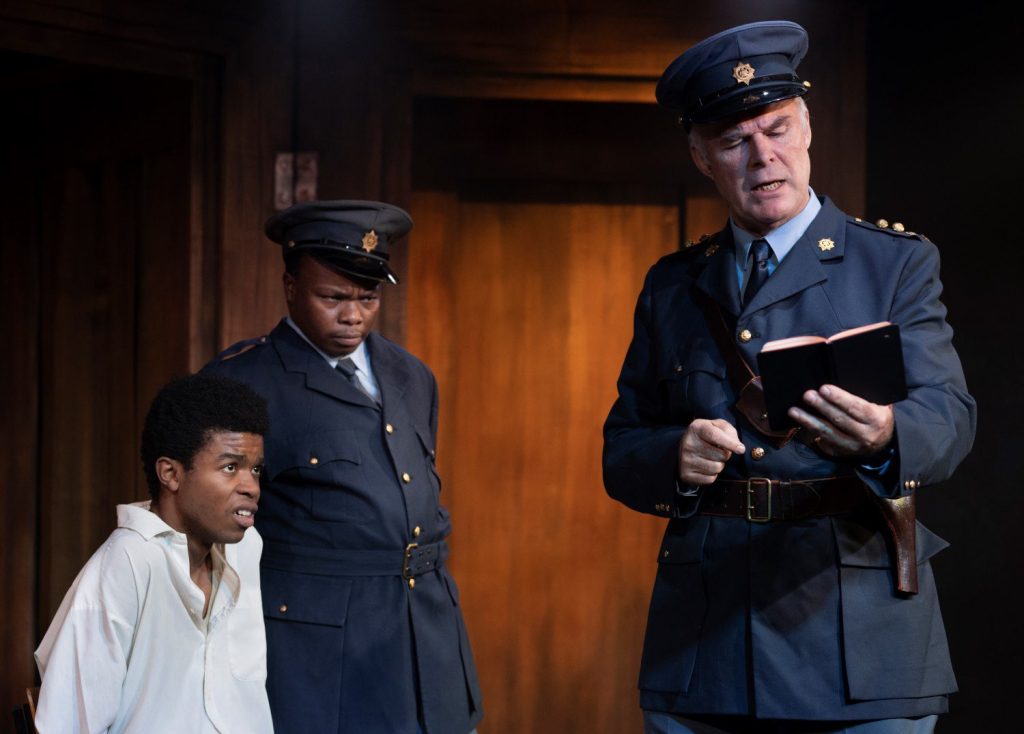
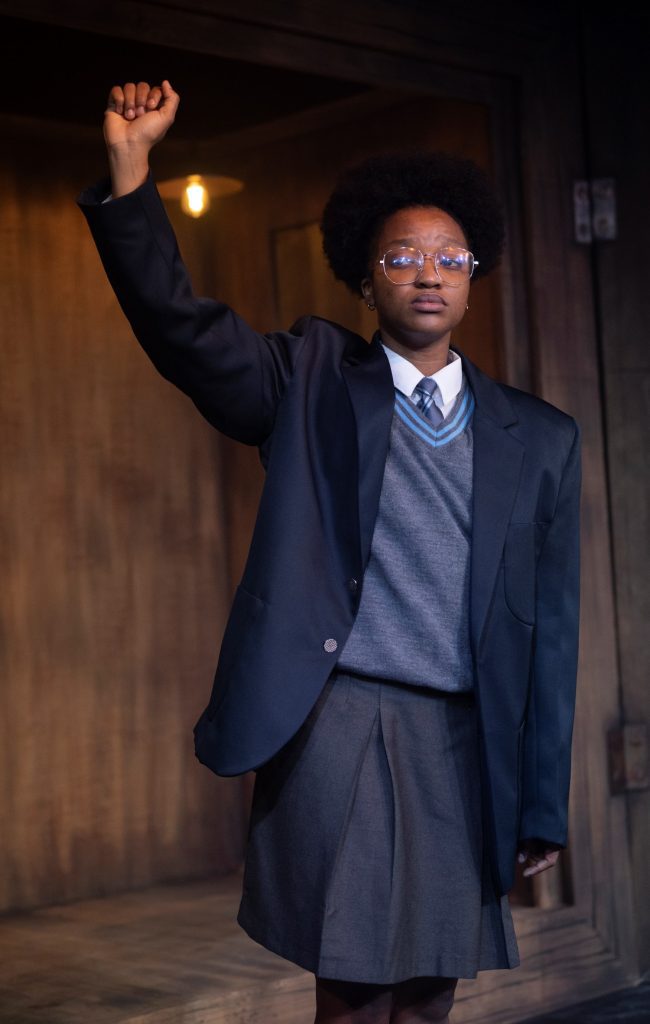
RISE 76 sweeps its audience into the fictional Molefe Secondary School in Soweto, where the air crackles with tension as mid-year exams approach. Student leaders Bafana Buthelezi (Alex Sono) and Kedibone Moloi (Zilungile Mbombo) find themselves pitted against their principal, Mr Alfie Ndlovu (Botlhale Mahlangu), in a battle against the imposition of Afrikaans as the medium of instruction.
Their frustration and anger ignite a confrontation that quickly escalates into a turning point, exposing the raw brutality of apartheid and reshaping the lives of everyone it touches.
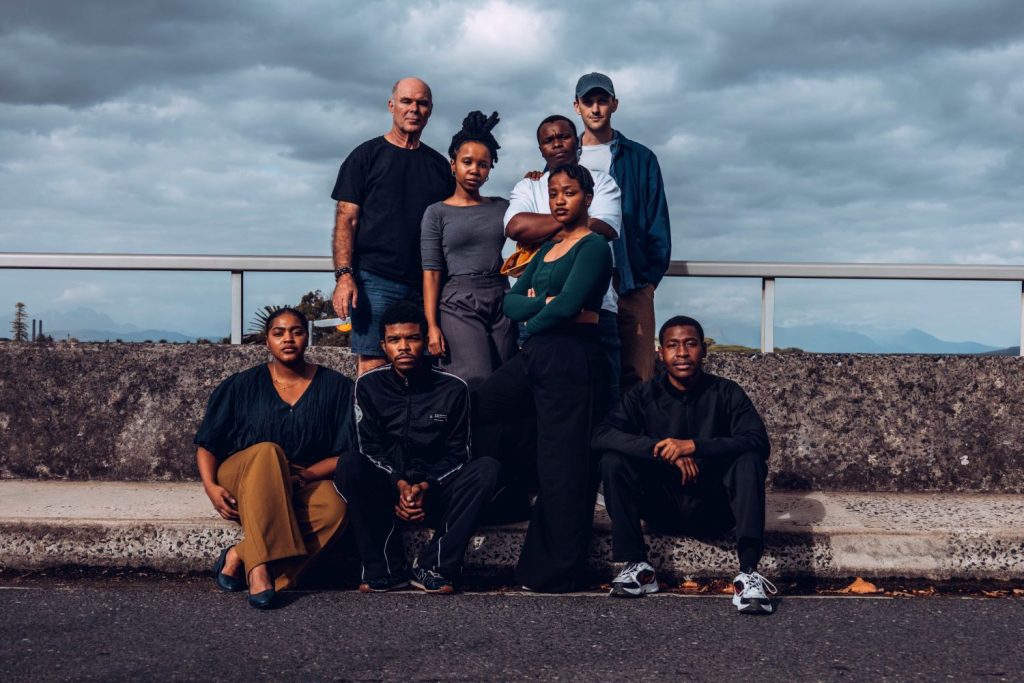
The ensemble—Deon Lotz, Mfuneli Ntumbuka, Sbuja Dywili, and Ben Albertyn—brings layers of nuance and vulnerability to the story, grounding its history in lived experience.
The colossal responsibility of breathing new life into this defining episode fell to 30-year-old Tiisetso Mashifane, an award-winning playwright and director.
For Mashifane, the challenge was both humbling and electrifying. “You never know what life will throw at you, especially in the arts. So, when this task came my way, I was stupefied… but curious. That curiosity is what ended up being the driving force in agreeing to make the play. I also recognised that this task was bigger than me, and if there’s even a little belief that I can take it on, then I owe it to myself—and to our history—to figure it out.”
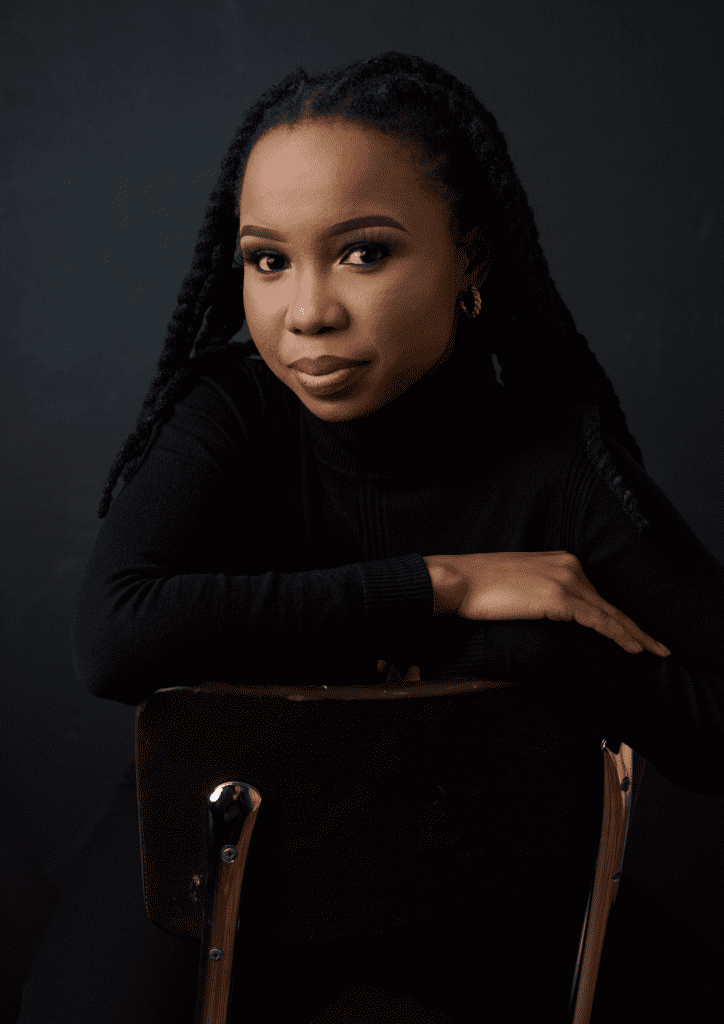
Mashifane describes the creative process as a balancing act between panic and excitement: “Panic and excitement sit in the same place. So, I alternated between the two feelings at first. I decided to have conversations with people I trust to see if taking on this play was a good idea. Once I had a solid understanding of how I was going to go about telling the story, I was more excited than fearful. I had to trust my artistic impulses, sit in any uncertainties and know that I’d figure it out.”
Her thirst for learning was another driving force. “I like to think I have a learning spirit, and so I was determined to try and answer the question for myself and perhaps other people: what don’t I know about the 1976 Uprising? The event being 50 years old inspired me further because I had the exciting challenge of trying to excavate 50 years of memory.”
Mashifane’s approach is one of excavation and empathy, digging through layers of personal and collective memory to find the human stories so often lost in the retelling.
The play’s run includes two special commemorative performances on Youth Day and will be a centrepiece of the Market Theatre’s 50th birthday festivities from 17–19 June 2026.
For the Market Theatre, RISE 76 is more than a production—it is a reaffirmation of a legacy. The theatre’s history is inextricably linked to the country’s own struggle for liberation; for half a century, it has been a beacon for bold, fearless storytelling. Even now, it remains a sanctuary for South Africa’s stories, with all their complexity, contradiction, and humanity.
Artistic Director Greg Homann highlights the play’s place in this lineage: “This gripping play locates itself within – and further enriches – the Market Theatre’s five decades-long legacy of reflecting the South African story – one of resilience, meaningful human connection and the fight for justice. It is an impeccably researched production, while also being a piercingly honest and deeply humanising piece of historical fiction that re-examines the events leading up to – and the immediate aftermath of – the historic day with compassion and care for the affected families and lost lives.”
On opening night, the emotional charge in the theatre was undeniable. Some audience members wept openly as the cast took them through the agony and confusion of parents searching for their children, the devastation of mortuaries overflowing with young bodies—even four-year-old toddlers among the dead.
The pain was palpable, the injustice impossible to ignore. For many, it was a first encounter with the full horror of apartheid’s violence; for others, it was a painful reminder of a society that once sanctioned killing its own children.
Mashifane acknowledges the puzzle faced by any artist confronting June 16: where to begin, and whose stories to centre? “Firstly, I knew from the beginning that I wanted to highlight the voices we don’t hear about. The voices of the everyday person. That is where the emotional heart of the story lies.
“Secondly, I made peace with the fact that I will not be able to tell the whole story. It is simply not possible in one play. Multiple plays would have to be written to cover everything.
“Thirdly, I knew that I was not interested in getting into the specific organisation-led aspects of the uprising because, as I discovered in my research, there are many feelings around which organisation did what and who was given the spotlight over the other. I was not going to get involved in that.
“All of the above made it easier to focus the lens through which I was going to tell my interpretation of the story. I must say there are many scenes on the cutting room floor that I would have loved to include, but I simply did not have the running time.”
Initially, she thought she might only write the story and let someone else direct: “But the Baxter Theatre and Market Theatre wanted me to take control of the entire creative vision. All my plays so far have been written and directed by me, so it’s a dance I’m very familiar with. It makes it easier to make creative decisions.
“I was commissioned by the Baxter Theatre and Market Theatre to make the play. The two theatres were sure that it had to be a young theatre maker to lead this youth-focused project. I like to think that they asked me to do it because my body of work speaks for itself, and that I could deliver a decent product at the end of the day.”
She wanted the production to open new perspectives for audiences: “One of my goals was for audience members to discover something new about the 1976 Uprising. My eyes were opened to many things that made me realise that the primary narrative that everyone knows does not show how complex the event was.”
She insists the story is still urgent and relevant: “This story is still relevant in the sense that it is a very distinct reference point as to why the state of education is the way that it is today! From my experience in making the play, the story can stand the test of time because it reminds us that there was a time when this country was cruel enough to massacre its youth in the way that it did. It is something we should never forget.”
Mashifane credits her team and cast for bringing heart and integrity to the work. “This play is nothing without its dedicated actors and creative team. I can write and direct the play, but with the wrong team, the play falls apart. They were all dedicated and delicate in their approach. Everyone understood that this was a story bigger than us, and we had to handle the fragility of history with care. I am so grateful for all of them.
“The youth of today can take away from the generation of 1976 that bravery is the first step to change. Be brazen in fighting for what you deserve.”
Mashifane
For Mashifane, the experience has been transformative. “I did enjoy tackling this story because it taught me things I didn’t know, it challenged me in ways that I think need to be challenged, and it was a constant reminder that, as a young South African, history is made by the contributions of many. So, one must remain steadfast in what they can do.”
Tickets for this show are available at Webtickets. There are special half-price performances on 16 June and Wednesdays.
Get the morning briefing
Our editors’ choice of the day’s stories, in your inbox at six.

Comments
No comments yet.