

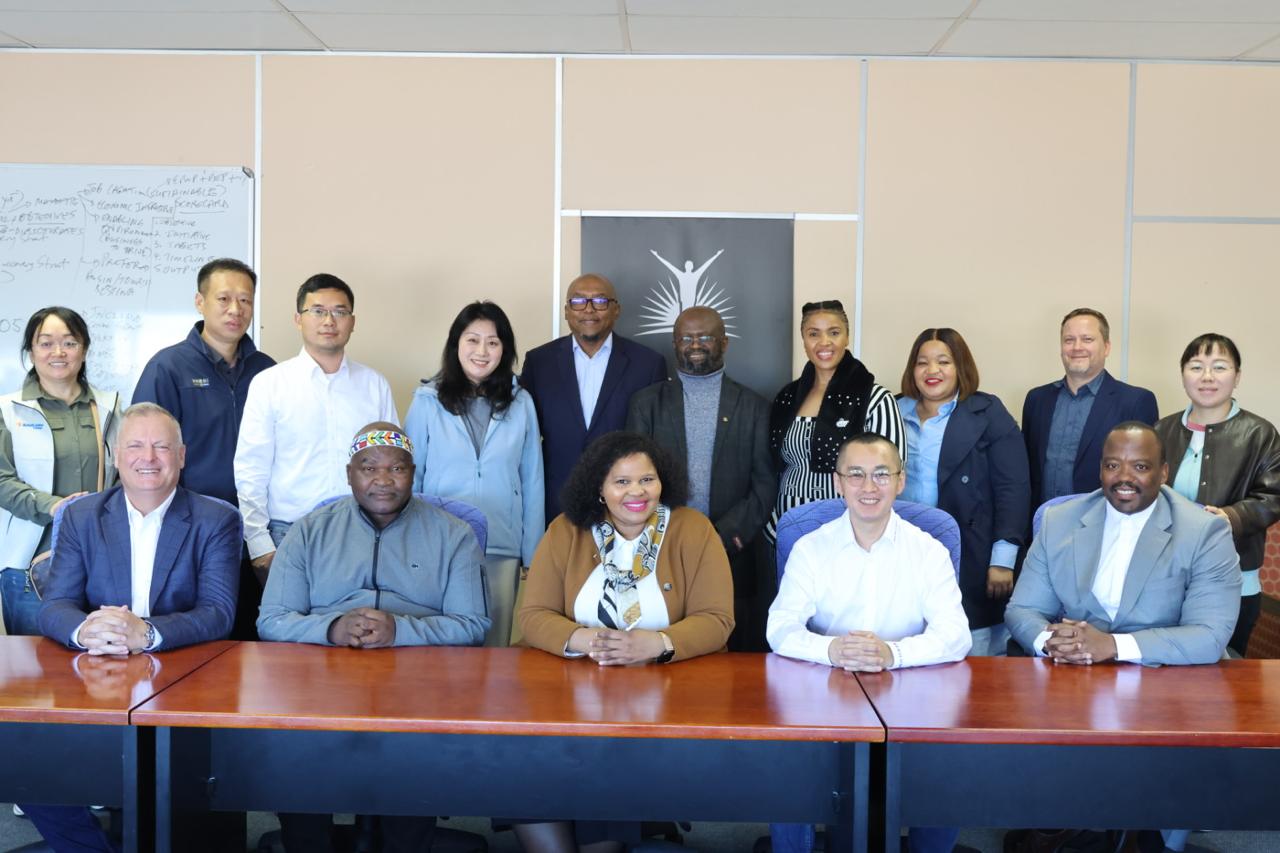
A proposed R2 billion tyre factory could transform Nelson Mandela Bay’s manufacturing landscape. The Sailun Group is considering Coega for a regional production hub that would create hundreds of jobs, expand exports through the Port of Ngqura, and strengthen South Africa’s automotive manufacturing value chain.
By Staff Reporter
Nelson Mandela Bay is competing to secure a proposed R2 billion tyre manufacturing investment by the global company Sailun Group, a project expected to create up to 800 permanent jobs and more than 1,200 indirect employment opportunities if approved.
The company is considering establishing a tyre manufacturing and recycling facility at the Coega Special Economic Zone (SEZ) as it assesses locations for a regional production hub serving the Southern African Customs Union and the broader sub-Saharan African market.
According to the municipality, Sailun turned its attention to Coega after delays affected an earlier location elsewhere in South Africa. The metro said the SEZ’s strategic location, world-class logistics infrastructure, industrial land, renewable energy opportunities, and direct access to the Port of Ngqura have made it an attractive option.
Executive Mayor Babalwa Lobishe said the metro was determined to position itself as a destination for international investment.
“Nelson Mandela Bay is ready to compete for global investment. We are determined to create an enabling environment where investors can establish, grow and contribute meaningfully to our local economy,” she said.
Lobishe said every major investment created jobs, stimulated local businesses, expanded manufacturing capacity and strengthened investor confidence in the city.
The planned development would occupy 20 hectares and include a production facility of about 100,000 square metres. It would also incorporate renewable energy generation, battery storage and treated industrial return-effluent water to support more sustainable manufacturing.
During its first phase, the factory is expected to produce one million passenger vehicle tyres and 300,000 truck and bus tyres each year. The municipality estimates the project will initially create around 200 direct jobs before expanding to about 800 permanent positions, while generating more than 1,200 additional jobs through construction, logistics, and related industries.
Lobishe said the municipality was working with the Coega Development Corporation, the Department of Trade, Industry and Competition and other stakeholders to attract the investment.
“Our role as local government is to facilitate sustainable investment while ensuring responsible governance and long-term municipal sustainability,” she said.
She said discussions had focused on infrastructure, utility tariffs, renewable energy integration, municipal services, and streamlining processes to ensure Nelson Mandela Bay remained competitive while maintaining sound financial governance.
Lobishe said the investment would reinforce Nelson Mandela Bay’s position as South Africa’s automotive manufacturing hub.
“This investment is about far more than a manufacturing plant. It is about restoring confidence, creating hope through sustainable jobs, strengthening our industrial economy and demonstrating that Nelson Mandela Bay is open for business.”