

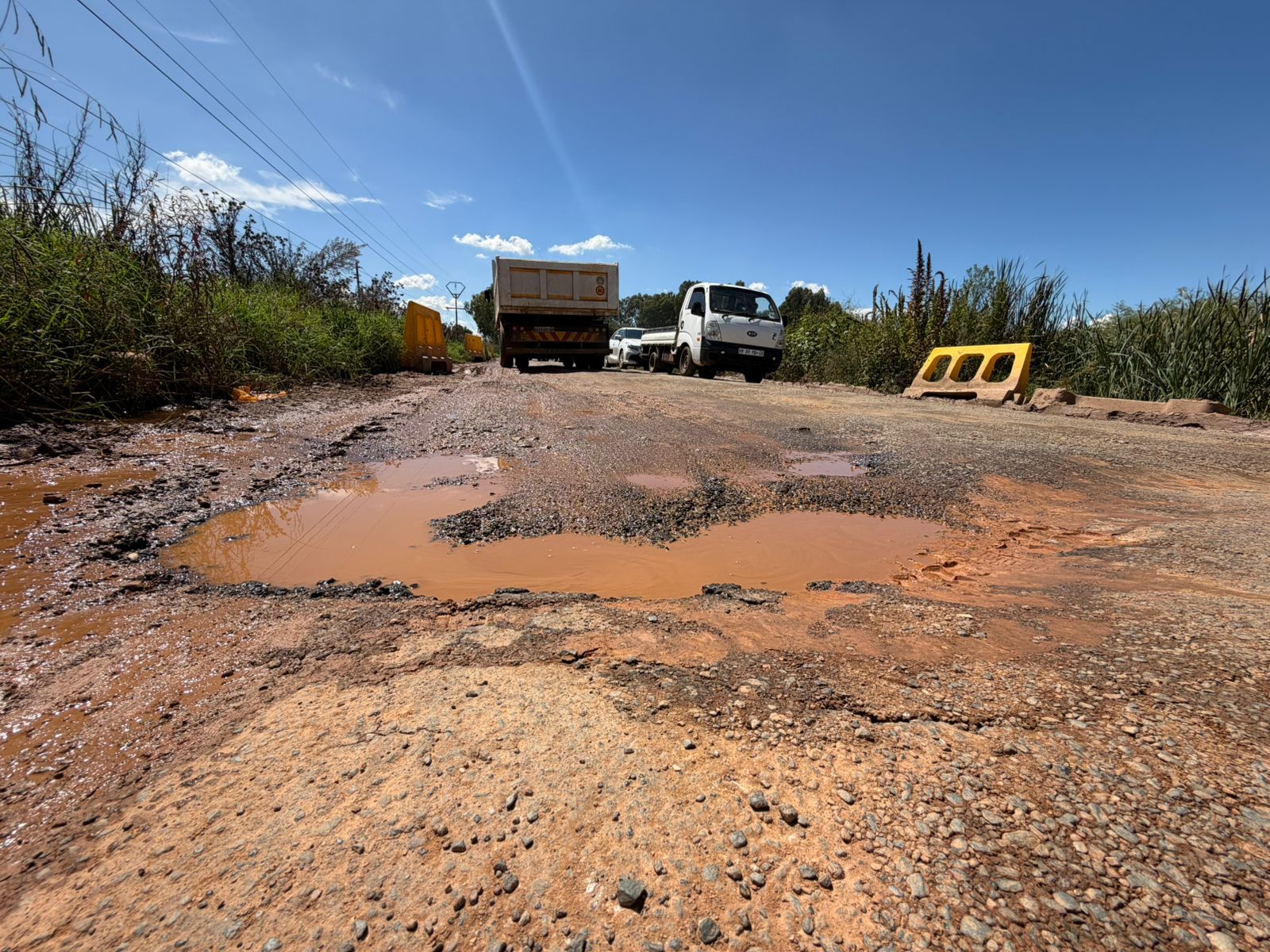
Emfuleni’s decline was not triggered by a single crisis but by years of mounting governance failures, financial instability and neglected infrastructure. Despite repeated interventions by provincial and national authorities, official records show a municipality whose institutional weaknesses outlasted the recovery efforts meant to reverse them, leaving residents to bear the consequences of a fragile local government.
By Staff Reporters
Beyond the rusting factory skylines of the Vaal Triangle, the collapse of Emfuleni Local Municipality is no longer confined to council chambers, audit reports or parliamentary oversight meetings.
It is etched into collapsing roads, repeated sewage spillages, ageing water infrastructure, mounting debt, failing governance and communities that have watched the steady erosion of municipal capacity over more than two decades.
What was once one of South Africa’s industrial powerhouses has become the subject of repeated constitutional intervention, financial recovery plans and sustained scrutiny by oversight institutions, yet its underlying symptoms of institutional failure continue to outlive every attempted cure.
The crisis confronting Emfuleni cannot be understood through a single audit report, a single financial year or a single constitutional intervention. Nor can it be explained by one administrative failure, one political decision or one deteriorating piece of infrastructure.
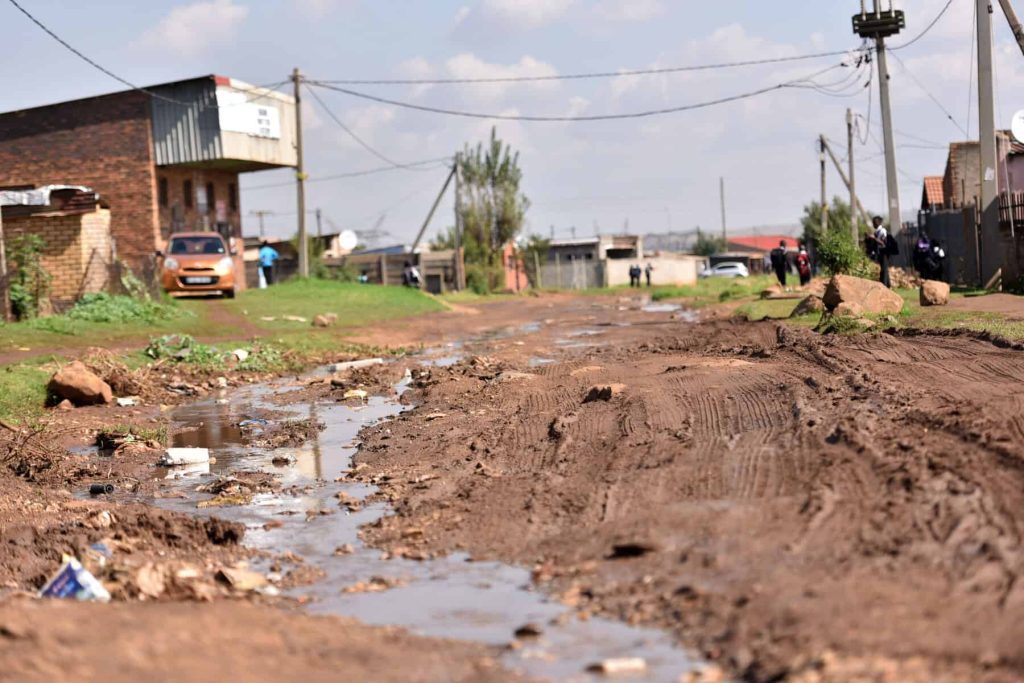
The municipality’s decline is the product of years of accumulated institutional weaknesses that gradually converged into a systemic crisis affecting governance, financial management, service delivery, infrastructure maintenance, and public administration.
Today, the consequences extend far beyond municipal offices and council chambers. They are experienced daily by residents, businesses and communities across Vereeniging, Vanderbijlpark, Sebokeng, Evaton and surrounding areas that depend upon the municipality to provide reliable public services.
The deterioration of municipal capacity has transformed what should be routine local government functions into recurring public concerns, and the burden of institutional decline has increasingly shifted onto the communities the municipality exists to serve.
Years of deteriorating governance have been accompanied by recurring audit findings, declining financial controls, mounting obligations to bulk service providers, weakening revenue collection, infrastructure deterioration and repeated concerns raised by oversight institutions.
Wastewater treatment performance has declined, environmental compliance has weakened, maintenance backlogs have expanded, and critical municipal infrastructure has become increasingly vulnerable to failure.
These developments have not occurred in isolation. Each has reinforced the next.
Deferred maintenance has accelerated infrastructure deterioration. Weakening financial management has constrained the municipality’s ability to invest in infrastructure renewal. Declining revenue collection has reduced operational flexibility. Governance failures have weakened accountability. Recurring audit findings have reflected institutional weaknesses that remained unresolved from one financial year to the next.
READ MORE: The Long Unravelling: Emfuleni’s 26-year Descent Into Collapse
As each problem compounded another, the municipality’s capacity to reverse its decline became progressively more constrained.
The result has been a cycle in which technical failures evolved into financial pressures, financial pressures undermined governance, governance failures weakened administration, and institutional decline increasingly manifested through deteriorating service delivery and mounting operational challenges.
Successive interventions sought to arrest that trajectory.
Financial recovery plans attempted to restore stability.
Provincial intervention sought to rebuild governance.
Parliamentary oversight questioned whether meaningful progress had been achieved.
By 2020, two years after the Gauteng Provincial Government invoked Section 139 of the Constitution in an effort to stabilise Emfuleni, Parliament concluded that the intervention had failed to produce the turnaround that had been anticipated.
The National Council of Provinces found that the municipality remained trapped in a deepening crisis: “In the balance of evidence, the intervention has not yielded any positive results to extricate the municipality from the challenges it has faced.”
The assessment was followed by an even more severe conclusion: “The overall view of the committee is that the municipality is in a crisis and the intervention has not helped, despite being in place for two years.”
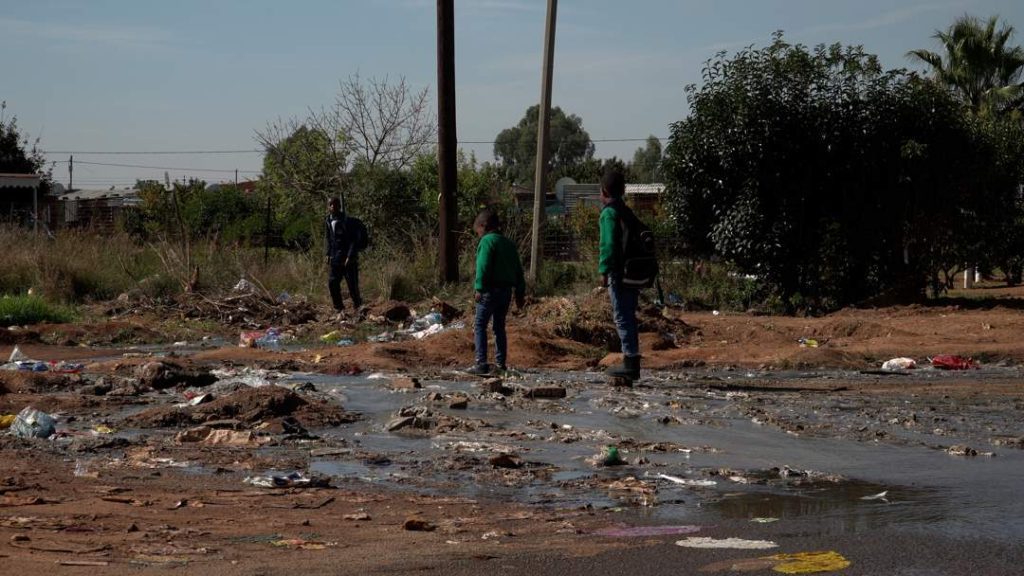
The parliamentary assessment revealed a municipality facing simultaneous failures across financial management, administration and service delivery: “At the centre of the concerns are poor service delivery challenges, such as poor revenue collection, vacant senior positions, backlogs and the collapse of waste management services, an increase in sewer spillages into the Vaal River System, non-payment of service providers, ailing and collapsing electricity infrastructure and serious allegations of corruption.”
The committee also raised concerns about the absence of effective accountability mechanisms: “The delay in instituting investigations and the implementation of consequence management is also a concern, as it leads to nonchalance and failure in governance.”
Despite the severity of its findings, Parliament emphasised that the purpose of oversight remained the restoration of municipal functionality: “Our only preoccupation is ensuring that Emfuleni is returned to functionality to the benefit of the people of the area.”
However, subsequent oversight indicated that the municipality’s decline had continued.
In 2023, the National Council of Provinces Select Committee on Cooperative Governance and Traditional Affairs, Water, Sanitation and Human Settlements returned to Emfuleni and found that the situation had deteriorated further.
Committee Chairperson China Dodovu stated: “It is the committee’s considered view that the situation has now deteriorated at the expense of service delivery.”
The committee raised concerns about the municipality’s financial position, including its budget credibility: “The municipality is operating on an unfunded budget, which is in itself illegal.”
Despite years of intervention and recovery measures, Parliament found little evidence of meaningful improvement: “The committee remains concerned that despite various interventions, the municipality shows no tangible improvement…”
The committee further questioned the municipality’s ability to implement corrective measures identified through audit processes: “…the municipality has resolved less than 50% of the audit action plan, which highlights a clear lack of appetite to implement solutions necessary to remedy the dysfunctional municipality.”
Financial governance remained a central concern: “It is also unacceptable that the municipality recorded a 172% increase in unauthorised, irregular, fruitless and wasteful expenditure, an environment that will encourage acts of corruption.”
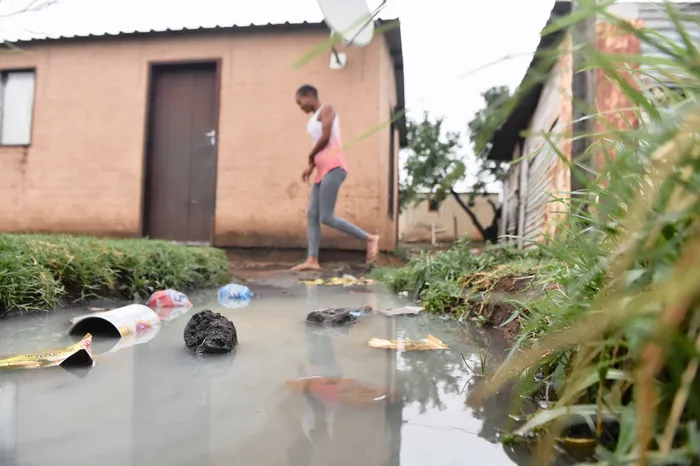
During an oversight visit, Dodovu described the condition of the municipality in stark terms: “What we have seen today is a municipality on its knees or worse beyond the grave.”
He questioned how an area with such historic economic significance had reached that point: “A question we must ask is: what is it that we are doing to reverse the situation in the Vaal and not undermine the history of this town? In reality, all cities are improving and developing, but all that is non-existent in this town.”
The committee also warned that financial instability was directly affecting the municipality’s ability to operate: “Without control of these accounts, the municipality is non-functional, cannot pay its debtors and is unable to access much-needed grants to implement service delivery initiatives.”
The municipality’s own Financial Recovery Plan later acknowledged many of the same structural weaknesses identified by Parliament.
On infrastructure maintenance, Emfuleni acknowledged that reactive responses had replaced proactive management: “ELM is unable to predict infrastructure failure and therefore to proactively conduct maintenance. Consequently, ELM is dealing with emergency repairs.”
The municipality also acknowledged severe challenges within its water services: “Water services are running at a loss, with unsustainable distribution losses.”
The condition of water and sanitation services was described in particularly serious terms: “The total collapse of service provision, especially water and sanitation, requires a rethink and repurposing of the systems and business processes.”
The Financial Recovery Plan also recognised the direct impact on residents who depend on municipal services: “The current challenges faced by the service delivery department, which is struggling to offer services, and the constant pain felt by consumers who are not receiving services, require a rethink and development of a new business case with a view to alleviating these challenges.”
The evidence from Parliament and from Emfuleni’s own recovery documents points to a municipality where individual failures have become interconnected.
The repeated sewer spillages, deteriorating infrastructure, growing financial obligations, recurring audit findings and constitutional interventions are not separate stories. They are interconnected symptoms of a municipality that has spent more than two decades struggling to preserve the institutional capacity required to fulfil its constitutional mandate.
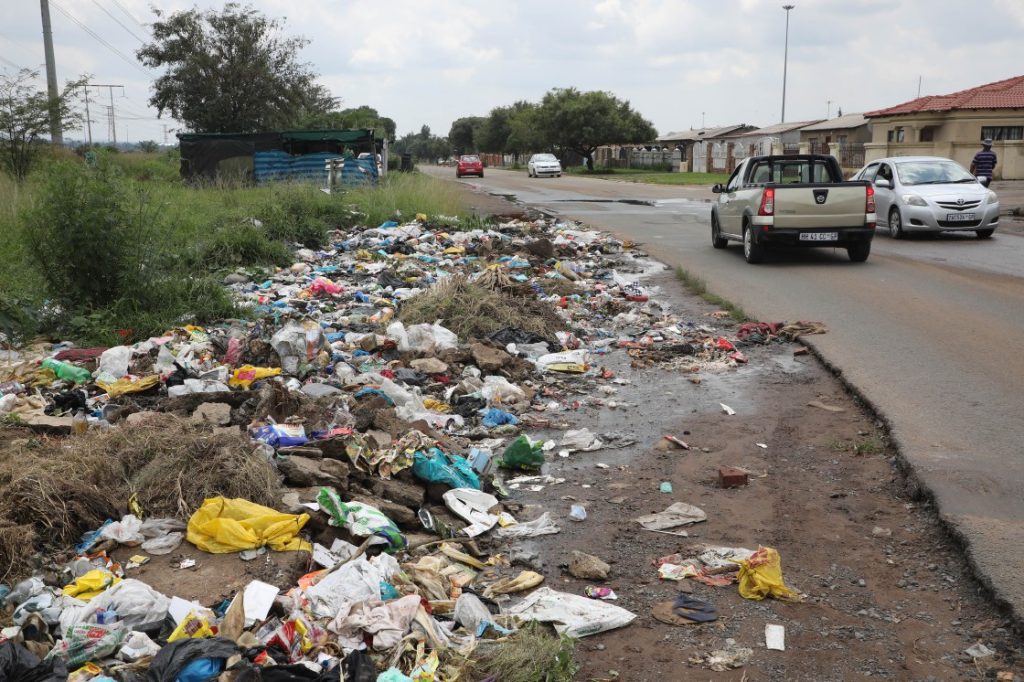
The evidence is remarkably consistent.
Parliamentary oversight, provincial intervention and the municipality’s own Financial Recovery Plan all point to the same conclusion: Emfuleni’s crisis cannot be attributed to a single administrative failure or financial setback.
It is the cumulative consequence of years of deteriorating governance, weakening financial controls, neglected infrastructure, declining institutional capacity, and repeated failures to implement corrective measures.
Each successive intervention sought to halt that decline, yet the underlying structural weaknesses continued to outlast the remedies designed to address them, leaving one of South Africa’s most strategically significant municipalities struggling to recover from a crisis that had become deeply embedded within the institution itself.