

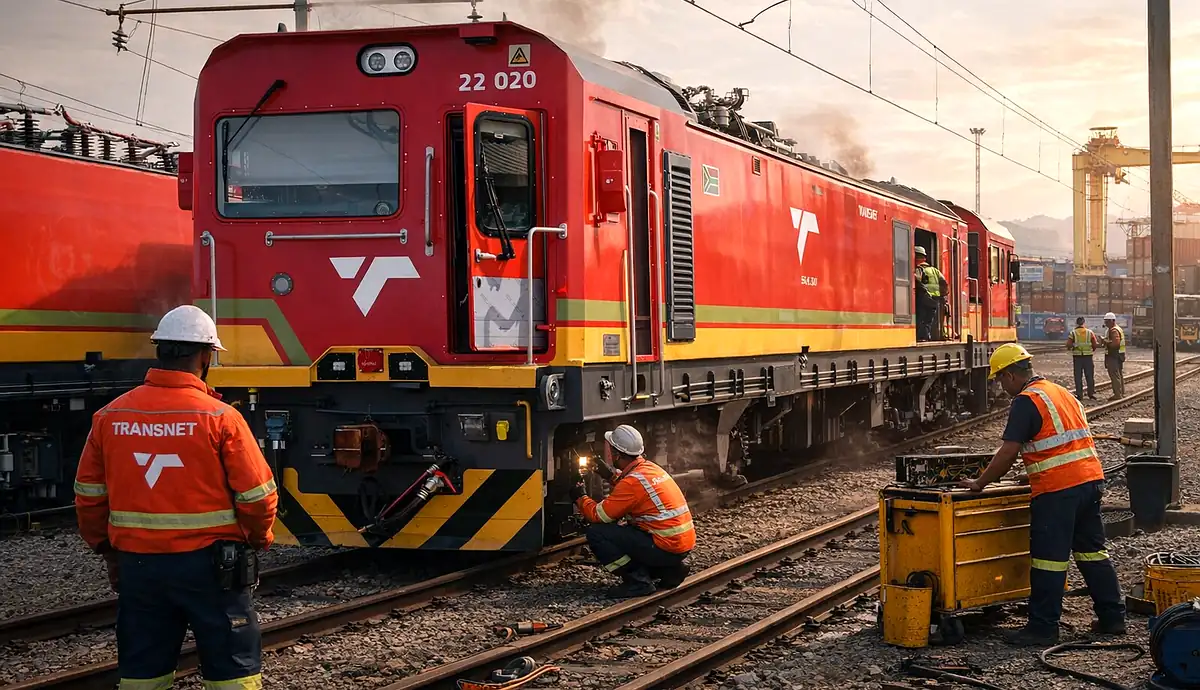
Transnet’s R38.6 billion locomotive investment was supposed to help move South Africa’s economy by shifting freight from road to rail. Instead, hundreds of locomotives remain idle, while the fallout from corruption, poor planning, legal disputes and maintenance failures continues to undermine the system.
By Staff Writer
South Africa spent R38.6 billion buying locomotives that were supposed to strengthen the country’s freight rail system, move more goods, create jobs and help get trucks off our roads. Yet, more than a decade later, 361 of those locomotives cannot be used because Transnet cannot obtain the spare parts needed to keep them running.
That single fact says a great deal about the mess that has engulfed one of the country’s most important state-owned companies, but it also tells a story that goes beyond broken trains. It is a story of corruption, poor planning, damaged institutions and the enormous price ordinary South Africans ultimately pay when public money is badly spent.
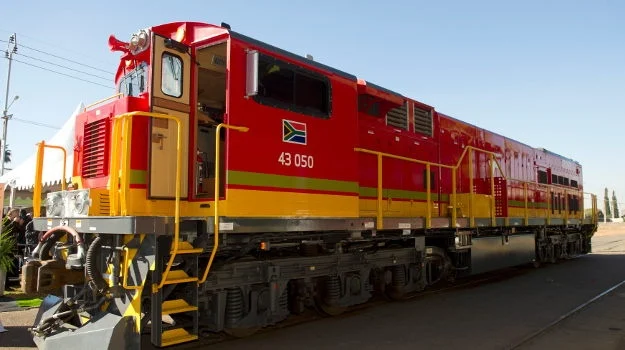
The locomotives were bought as part of Transnet’s 1,064 Project, launched in March 2014 as the flagship project of its Market Demand Strategy.
The idea was straightforward enough. Transnet wanted to modernise its ageing rail fleet and move more freight from road to rail. It expected demand for rail freight to rise sharply and planned to buy 599 electric and 465 diesel locomotives, with the project carrying a price tag of R38.6 billion.
The project was also supposed to support South African manufacturing. Transnet planned for 55% of the diesel locomotives and 60% of the electric locomotives to be manufactured locally, with the hope that this would create jobs and strengthen the country’s industrial base.
Four companies were selected to supply the locomotives: CSR Zhuzhou Electric Locomotive of China, which supplied 359 electric locomotives; Bombardier Transportation South Africa, linked to Germany and Canada, which supplied 240 electric locomotives; General Electric South Africa Technologies, now Wabtec, which supplied 233 diesel locomotives; and CNR Rolling Stock South Africa, which supplied 232 diesel locomotives.
CSR and CNR later merged to form China Railways Rolling Stock Corporation, or CRRC.
On paper, it looked like a massive investment in South Africa’s future, but the trouble was that the plan was built on economic expectations that never came close to reality.
Transnet had expected the South African economy to grow by about 5% a year between 2014 and 2024. Instead, growth averaged about 1%, which mattered because Transnet had borrowed heavily to fund the investment. With the economy growing much more slowly than expected, the freight volumes needed to support the debt did not materialise.
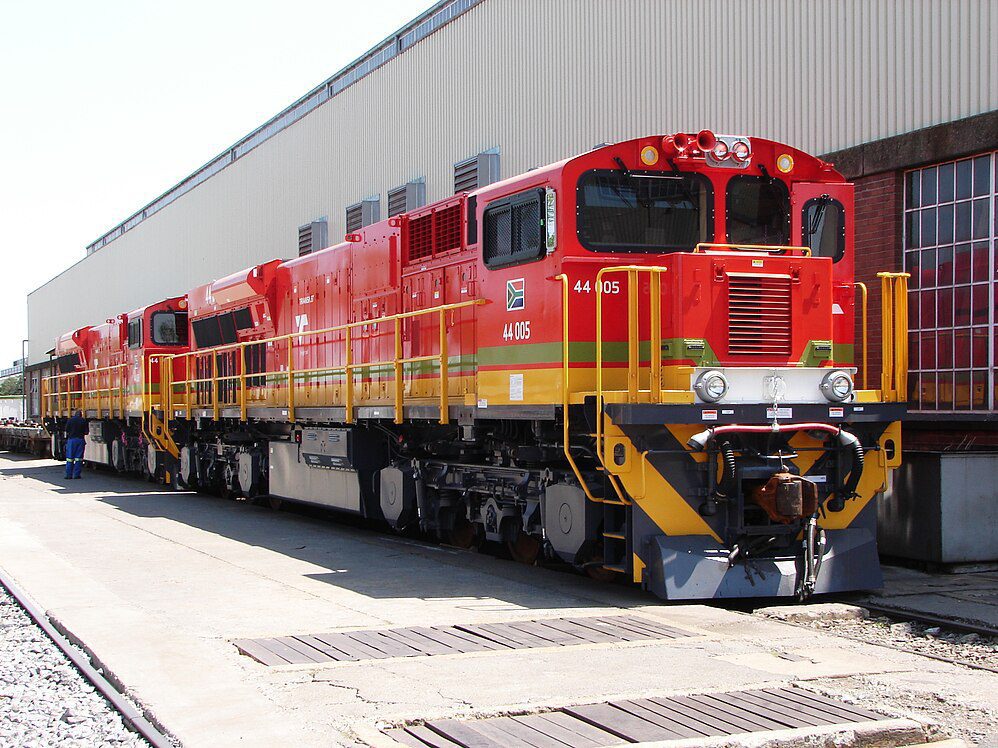
Poor economic forecasting, however, was only part of the problem, as the project became caught up in the corruption and state capture that damaged some of South Africa’s most important public institutions.
Investigations by the Public Protector, the Special Investigating Unit and the Zondo Commission uncovered serious irregularities surrounding the procurement process. Billions of rands were allegedly channelled through advisory fees, kickbacks and companies linked to the Gupta family.
Offshore companies were also used, with subsequent investigations linking some of the payments to Chinese suppliers.
Former Transnet executives, including CEO Brian Molefe and CFO Anoj Singh, were found to have unlawfully inflated the budget by R15 billion. The additional money was purportedly linked to matters including hedging costs, price escalations and kickback arrangements.
This is where the story becomes particularly painful for South Africans, because the damage did not end when the corruption was exposed; it continued into the years that followed.
In 2021, Transnet began trying to set aside the original contracts, arguing that they had been awarded through corrupt and unlawful processes. The company eventually succeeded against GE/Wabtec, with the contract declared invalid in 2025. Transnet kept the locomotives that had already been delivered and received cash settlements.
There were also smaller victories against other suppliers. Transnet received R618 million from CRRC, while the company’s bank accounts in South Africa were frozen.
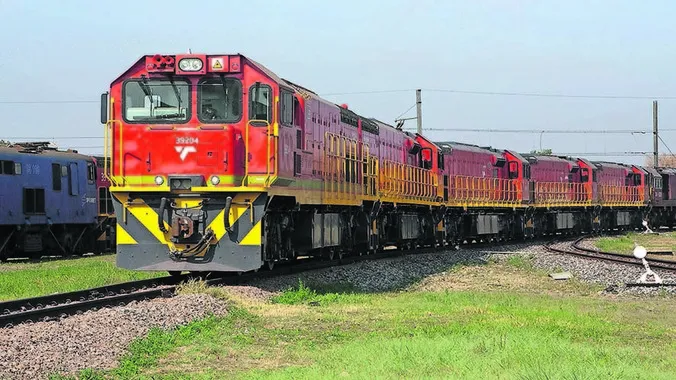
But recovering money and fixing the rail system are two different things. In trying to unwind contracts that Transnet says were corrupt, the utility also found itself struggling to maintain the locomotives it had bought.
Contracts with suppliers, particularly CRRC, were suspended during the legal and review processes, making it difficult for Transnet to obtain the spare parts needed to keep the locomotives running.
The utility also had not concluded proper maintenance, reliability and spare-parts agreements with the suppliers.
The result is extraordinary: a country that spent billions of rand buying new locomotives now has hundreds of them standing idle because it cannot get the parts to keep them on the tracks.
Transnet’s annual report says 455 of the 1,164 locomotives were at one point “sterilised” because of the lack of spare parts. By the end of the 2026 financial year, that number had been reduced to 361, which is an improvement but still means more than 30% of the locomotives bought under the project cannot currently be used.
The consequences are not confined to Transnet’s balance sheet. When locomotives are unavailable, freight cannot move as it should, and Transnet Freight Rail has said the problem severely reduced its ability to operate on major export routes.
South Africa then has to rely more heavily on an ageing fleet that is vulnerable to failures, contributing to lost rail volumes, particularly when international demand for commodities rises, while derailments and unplanned maintenance costs increase.
The irony is difficult to miss: the locomotives were bought to help modernise the rail network and increase the amount of freight moving by rail, yet a combination of unrealistic planning, corruption, legal battles and failures to secure proper maintenance arrangements has left hundreds of those locomotives standing idle.
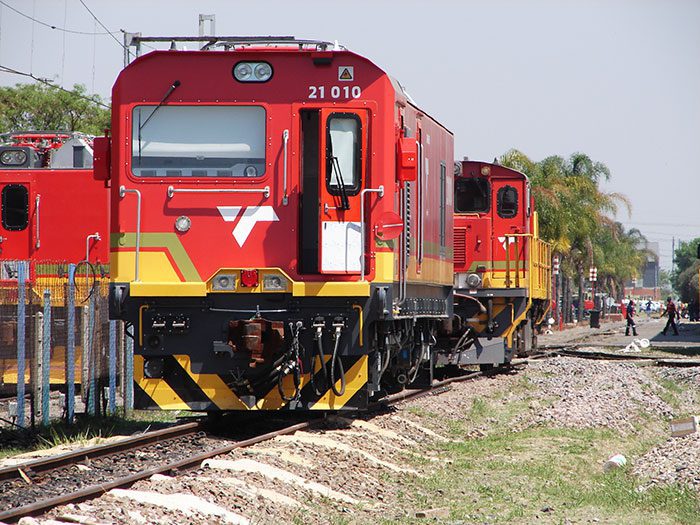
Transnet says it is trying to re-engineer and modify the affected locomotives so they can be put back into service. It has also indicated that a new deal with CRRC is unlikely.
That leaves a very expensive question hanging over the whole project: how many more years will South Africans have to wait before the full benefit of the R38.6 billion investment is actually felt?
These are not just numbers on a Transnet spreadsheet. Every locomotive standing idle means freight may not move, businesses may face higher costs, exports can be delayed, and there is more pressure on roads already carrying enormous volumes of heavy trucks.
The country did not spend R38.6 billion so that hundreds of locomotives could become expensive pieces of machinery parked on the sidelines; it spent that money because South Africa needed a railway system capable of carrying the economy.
More than a decade later, 361 of those locomotives are still waiting for the parts that would allow them to do the job they were bought to do, and that is not just a Transnet problem. It is a reminder of what happens when billions of rands are spent on public infrastructure while corruption, poor planning and institutional failure are allowed to take their toll.