

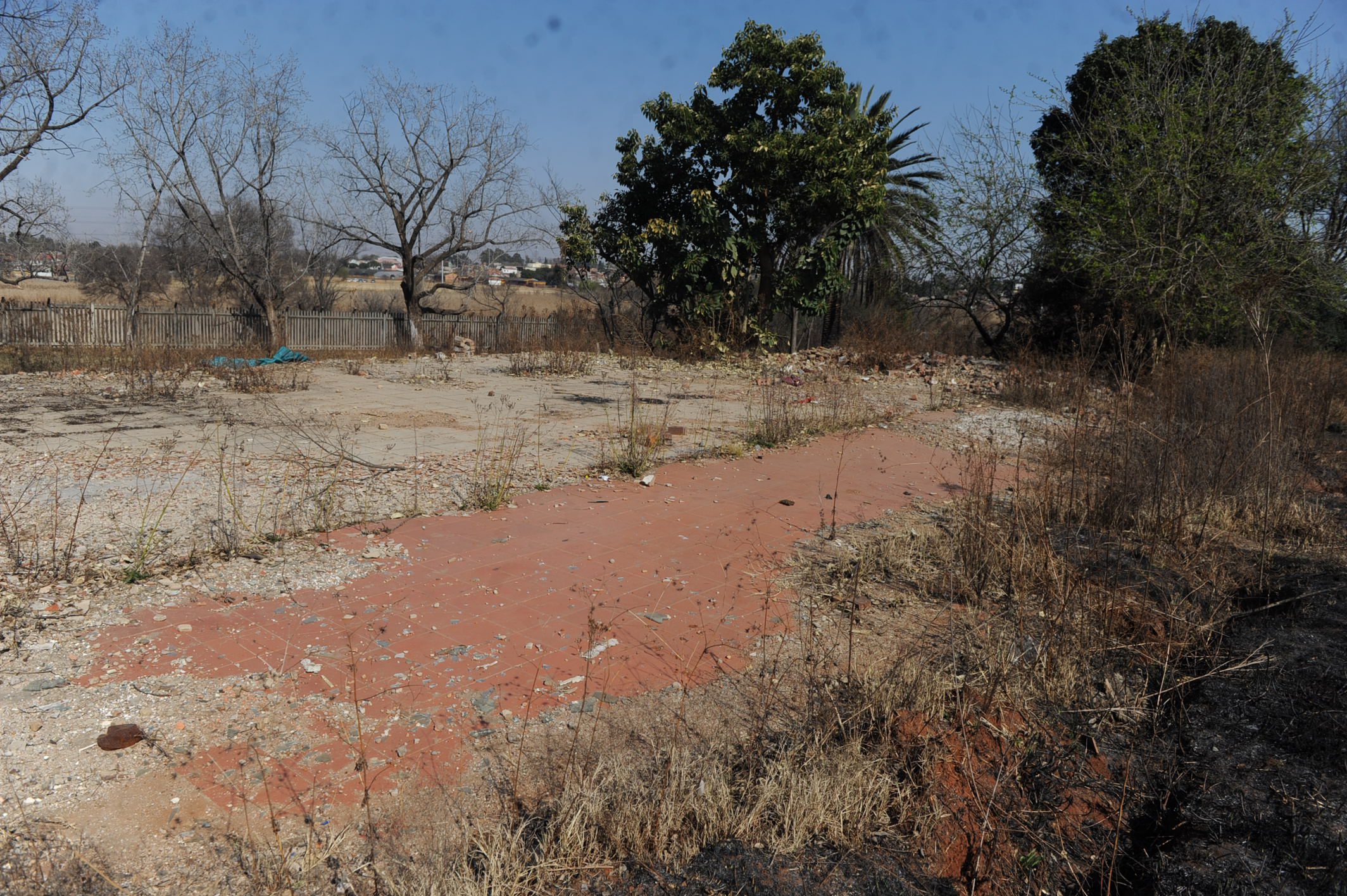
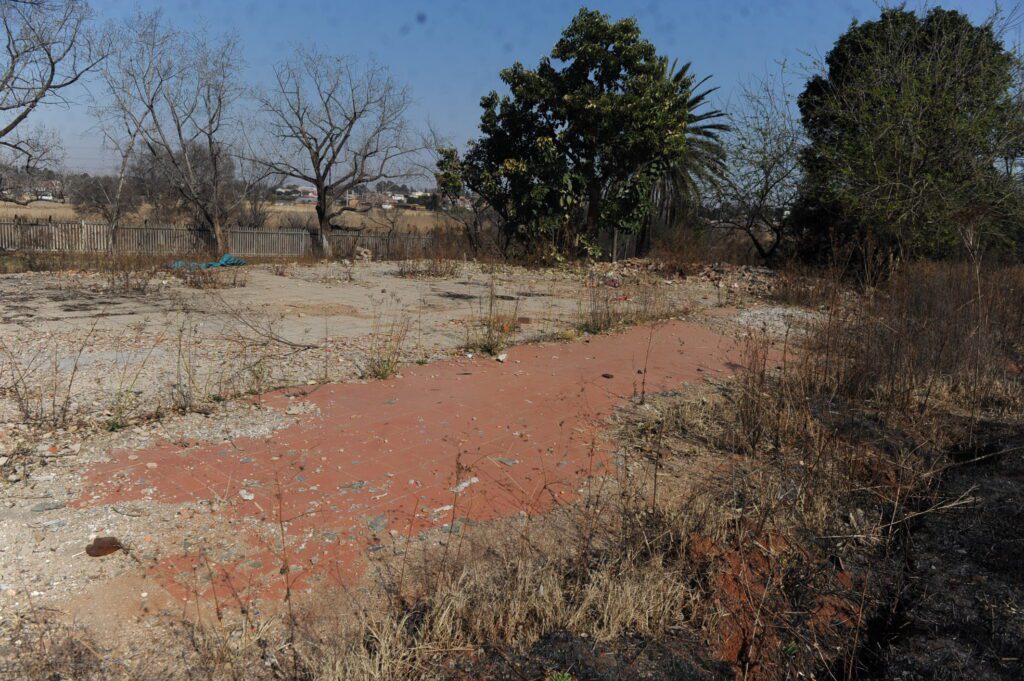
For Jack and Eunice Shabangu, Dube Bowling Club is not an abandoned building. It is where love, friendship, sport and youthful dreams once flourished. They remember the immaculate greens, white uniforms and laughter, but today they can only watch helplessly as a place that shaped their lives slowly disappears before their eyes.

By Jabu Kumalo
The pain in their voices is so palpable that it feels like a very sharp spear tearing through the heart as they try to grapple with what really happened to the love of their lives: the Dube Bowling Club.
It makes one feel guilty for touching and reopening a wound they have spent years painfully trying to forget.
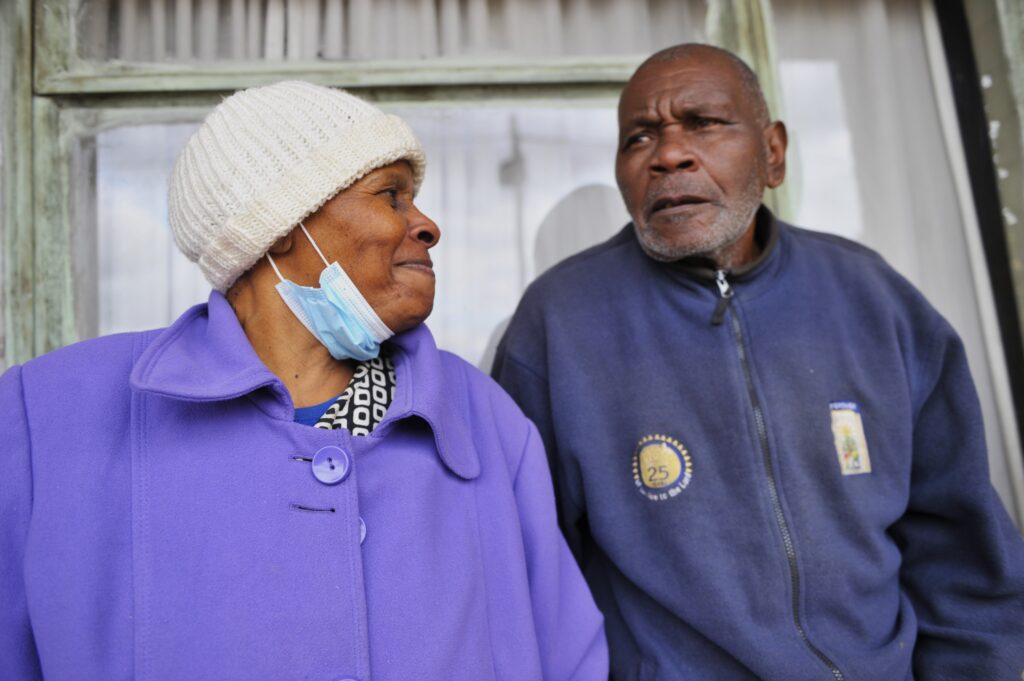
The frail body of the octogenarian, Jack Shabangu (84), is in what he calls “excruciating pain” as he drags himself towards a chair on which to settle. His septuagenarian wife, Eunice Shabangu (77), who has settled on a sofa opposite him, seems to forget her own pains for a while as she worries about her childhood sweetheart, trying to get his frail frame onto the chair. She looks as though she wants to help him.
Mkhulu Shabangu lets out a long, anguished cry: “Iyoyoyoyoyo! Eeii … iyaaa … You want to talk about that place?”
Yes. The conversation is going to be about the now-defunct Dube Bowling Club in the once-upmarket township of Soweto called Dube. Like the bowling club itself, Dube township was once the envy of the African population, with beautiful houses and mansions that were far ahead of their time in the sprawling townships of Soweto.
Between bursts of sarcastic laughter that seem to conceal the hurt beneath them, Mkhulu Shabangu says: “I used to love bowling with all my heart! I was the champion. I was once a great soccer player, but when I discovered the beauty of bowling, I immediately ditched football. I told the two guys who were always winning championships that I was going to be their next champ. I told them I was going to be winning trophies. I made it clear to them that it can’t be that there are two bulls in one kraal.”
Their house is very cold. The temperature outside is 4°C. He says his aching knee seems to be made worse by the cold because there is no electricity. The cruelty of having no electricity on such a bitterly cold winter day seems to add another layer of pain, both spiritually and emotionally. The worst part is that they do not even know when it will return.
The well-manicured turf of the Dube Bowling Club was once the envy and flagship not only of the township, but of Soweto as a whole. The oldies who belonged to the club were always impeccably dressed in sparkling white uniforms.
Unfortunately, like so many other structures in the townships, it has been bowled over by years of neglect and vandalism. The building has been stolen one brick at a time. The masons who laid the state-of-the-art foundations for the building are probably turning in their graves.
The entire upper structure is gone. The remnants of the once-beautiful tiles stand as mute evidence that the place was once immaculate.
Gogo Shabangu, who remains hopeful that someday, somehow, she will once again be able to play the sport despite her aching body, says they have tried many avenues to restore the place to its former glory.
“It is very painful to see that place like it is now. It is a pain that is not easy to describe. We have tried to get people to sign up in an effort to revive the club. I once approached a white man who builds bowling places. He came to look. He promised to talk to the Minister of Sport. But nothing materialised. I think he could see that the place was beyond repair,” Gogo says.
Mkhulu interjects in his trembling, disgusted voice: “Aawwuu! Mina, I have lost all hope.”
Mkhulu, looking in the direction of the bowling club, which is not even visible from the dining room of his house, says his journey into bowling began when he saw “these beautiful” people dressed in pure white attire. He tried the sport and was sold on it forever.
Mkhulu says of the state of the bowling grounds: “The whole rot started when our government took over. There is no pain like watching something you love so dearly being ruined in front of your eyes, and you are helpless to rescue the situation.
“These people who caused this neglect never thought in their minds that they would also grow old and want to play there. Never! Nix! The old apartheid municipality was very good at looking after these places. They always checked if everything was in order. They always came to cut the lawn timeously.”
It was not only sighted players who benefited from the facility. There was also a side turf for blind players.
“Baba was good at coaching the blind players. He had patience in teaching them. They loved the sport dearly as we did. It was fulfilling. We knew the inside of the flying machine by flying to different places through this sport. Bowling was good to us. This sport looked after us,” Gogo says.
She became involved in the sport while still young, in her twenties, when she was still Mkhulu’s girlfriend.
“Baba invited me to the club. Eyi! I loved what I saw. I came to watch, but stayed forever to play. I was truly hooked. My peers used to discourage me from playing the sport. They said it was for the gogos and mkhulus (oldies). I just ignored them because I was really hooked. We were always clean and neat in our beautiful whites.”

Another gogo who shares the Shabangus’ pain lives a street away.
The 82-year-old Snowy Mashigo’s father, Elliot Mashigo, was the pioneer of the Dube Bowling Club. He is no more. He lived long enough to endure the pain of watching the fruits of his labour fall into ruin before he passed away.
She says her father used to play the sport with white people in town. Eventually, he brought it into Soweto.
Gogo Mashigo (82) says: “It is so painful to see this place like this. When those like my dad who started it were passing on, it got neglected. This place was very beautiful! Visitors from faraway places used to come and play here. We envied the oldies in their white uniforms who used to play here. We had hope that one day our kids were going to play here when their time came. But as you have seen, there is nothing left. While we were younger, we tried to revive it many times, but all in vain.”
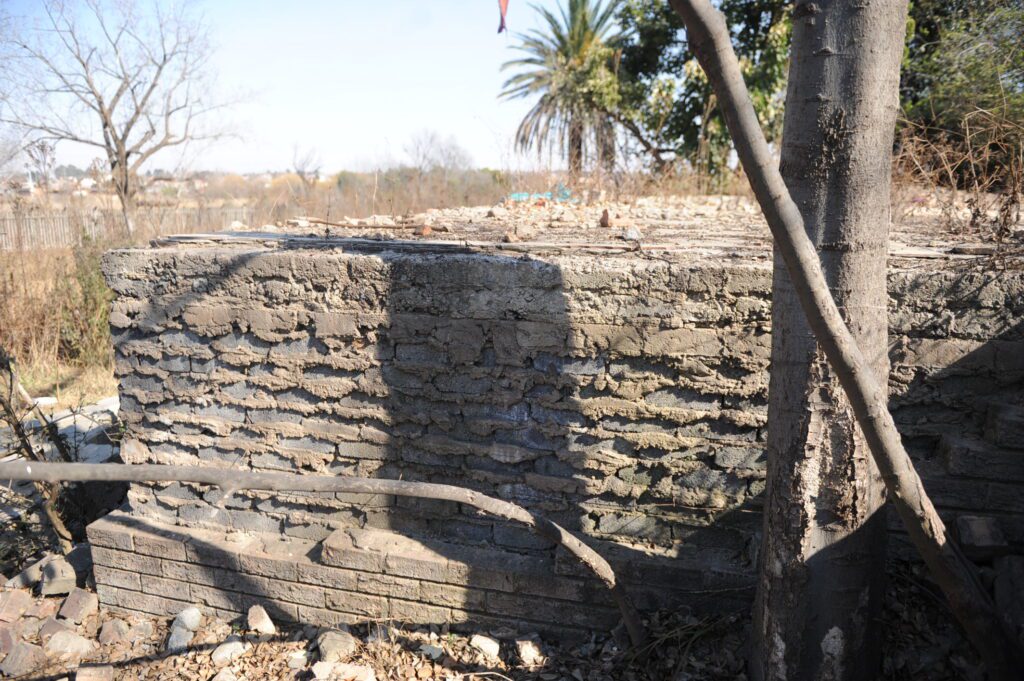
One by one, the structures that were once the pride of Soweto are falling apart. The ugliness of the places where they once stood with dignity is a reminder of something far more troubling: those entrusted with governing seem unable, or unwilling, to care for even the simplest obligation of maintaining what they inherited.
It is a case of throwing the baby out with the bathwater — except that, in this case, the bathwater has long since dried up, the baby is gone, and nobody seems to remember who was supposed to be watching.