By Themba Khumalo
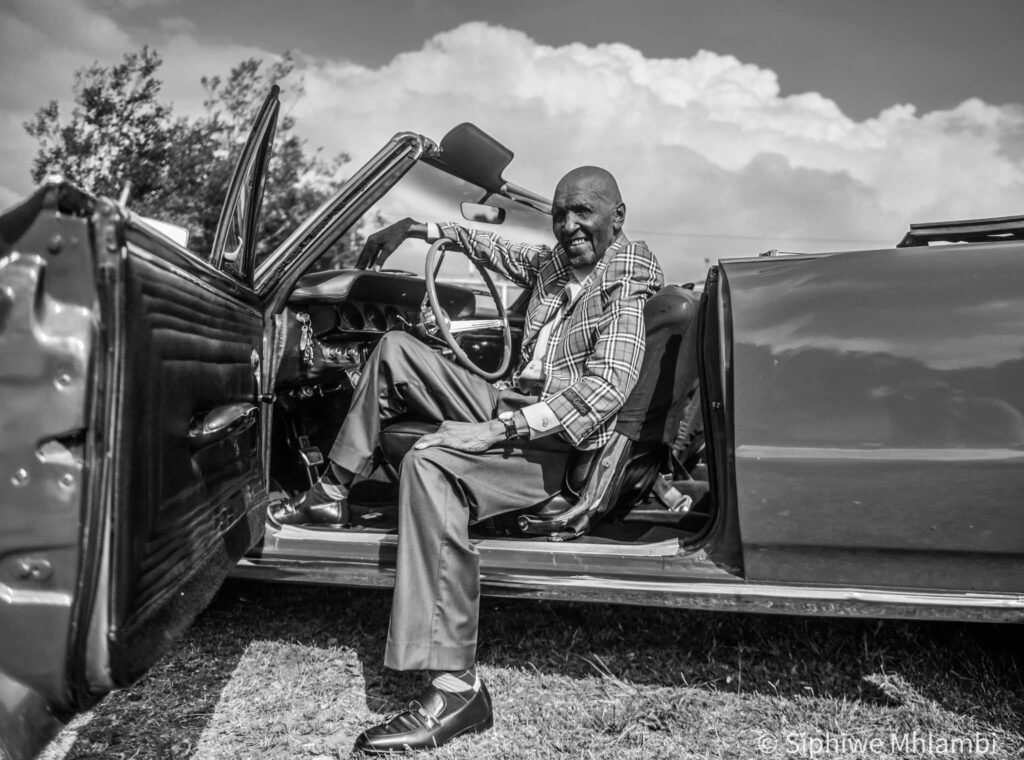
When a man who helped tell our stories is badly burned when his shack catches fire and later dies in hospital, it is difficult to read the news without wondering how he came to be living there in the first place.
At 97, Bra Sol Rachilo had lived long enough to have watched generations of South Africans grow up, change and forget some of the people whose work helped give expression to their lives. His death inevitably brings grief, but it also leaves behind an uncomfortable question about what happens to people after a lifetime of work, particularly when that work has never provided the security that a regular salary and formal employment can offer.
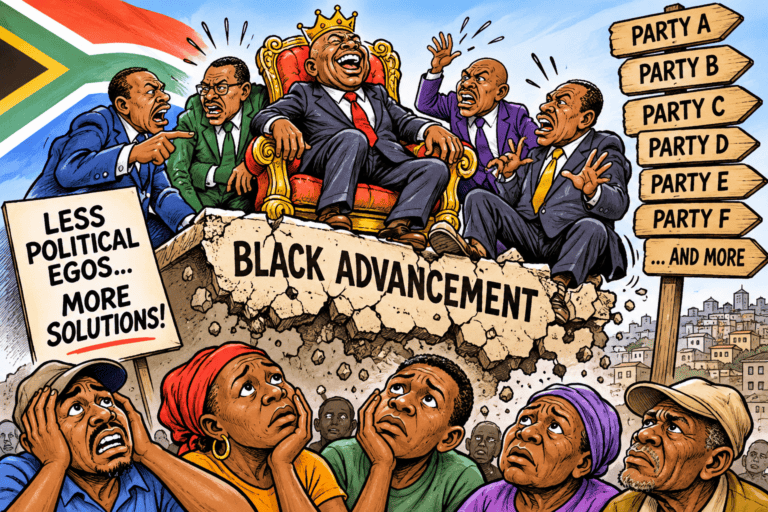
I had Sandile Memela’s piece in mind as I sat with that question. His comparison of the artist with the bricklayer, the nurse and the farmworker is difficult to dismiss because the basic point is sound: an artist is not a superior citizen, and the ability to write a play, perform a song or create a work of art does not make one human life more deserving of dignity than another.
Read Memela’s Column: Artists Are Not More Important Than The Bricklayer
He is also right that artists cannot expect government to become their parent, financial adviser and retirement fund, and that the sector has to take greater responsibility for how it organises itself and handles the money entrusted to it.
Yet the more I thought about his argument, the less comfortable I became with where it seemed to lead. The fact that artists are ordinary citizens does not mean that the circumstances in which they work are ordinary, and recognising that difference is not the same thing as asking for special treatment.
Saying that artists are not more important than the bricklayer is true, but it does not settle the matter. The issue is not whether one life is worth more than another; it is that a visible, known artist was left without adequate care at an extraordinarily vulnerable stage of his life. That should concern all of us, including the nurse, teacher, taxi driver, neighbour and bricklayer, because the question is not whether artists deserve better funerals. It is why anyone who reaches such an advanced age should be left vulnerable and neglected when there are supposed to be social systems designed to protect vulnerable elderly people.
Memela’s call for artists to organise, save money and stop embezzling has value. No one benefits from corruption or from waiting for government to solve every personal difficulty, and artists have a responsibility to build institutions capable of protecting their own interests.
The difficulty is that creative work does not always resemble conventional employment. Many artists work from contract to contract, with periods of income followed by periods of uncertainty, and their careers can depend on performances, productions, royalties, commissions and opportunities that may disappear without warning.
Telling somebody whose income has always arrived in fits and starts to save for retirement is sensible advice, but it becomes inadequate if we do not also ask whether the system provides practical ways for such workers to build pensions, healthcare and other protections around irregular incomes.
This is why the answer cannot simply be that artists should form unions. They need professional bodies that understand the realities of creative labour and can negotiate fair contracts, pursue royalties, protect intellectual property and create credible retirement and insurance arrangements.
They need institutions with transparent governance and audited accounts, particularly because the sector has had its share of scandals involving public money. But those institutions must be designed around the realities of creative work rather than around the assumption that every artist has a permanent employer, a monthly salary and a conventional retirement fund.
Memela also piles up examples of corruption in arts institutions as though the sector has some special relationship with dishonesty. It does not. Corruption is a national problem that has found a home in municipalities, state-owned companies, sports organisations, unions and countless other institutions.
Artists who steal money intended for other artists should be exposed and held accountable, but their misconduct cannot reasonably be used to dismiss the legitimate concerns of an entire sector. We do not tell mineworkers that they have forfeited their right to labour protections because a union official has enriched himself, nor do we tell public servants that their social protections should disappear because somebody in their institution has abused public money.
Accountability must attach to wrongdoing without becoming an excuse for abandoning everyone else.
The same caution applies to the question of government responsibility. A 96-year-old person who needs an old-age home, social assistance or a social worker is plainly a Social Development concern, regardless of whether that person was an artist, farmworker or domestic worker. But human vulnerability does not arrange itself according to departmental boundaries. If an elderly person is living in a shack, the important question is not simply which department was technically responsible for dealing with him; it is whether the system around him was capable of seeing his vulnerability and responding before his circumstances became a public tragedy.
Public tributes therefore deserve a more complicated judgement than simply dismissing them as useless theatre. A press statement cannot provide food, shelter or healthcare, and words issued after somebody’s death are no substitute for meaningful support during life. The problem is when speaking is all institutions do.
A tribute should prompt us to ask whether the systems responsible for vulnerable citizens are working, whether social workers can identify people at risk, whether home-based care is available and whether elderly people who spent their working lives in precarious sectors have any realistic route to long-term security.
We must therefore hold two responsibilities together without allowing one to cancel the other. Artists should organise, police their leaders and be financially sensible where their circumstances allow. At the same time, the state must build systems that protect people whose working lives do not provide the security associated with permanent employment.
People with irregular incomes need portable benefits so that pensions and medical cover can follow them from one contract to another, while the creative sector needs stronger collective bargaining, proper royalty systems and decent contractual protections.
The country also needs better home-based and elder care, together with transparent administration of public arts funding, so that money intended for artists reaches them rather than disappearing into the pockets of those appointed to distribute it.
There is also a danger in making individual discipline carry the entire burden of responsibility. People do need to plan where they can, but a lifetime of irregular work, low bargaining power and uncertain income cannot always be overcome by simply being more disciplined. The same is true of many other workers who reach old age without assets or savings.
Poverty is not always evidence that somebody failed to plan properly; sometimes it is evidence that the opportunities to plan were never sufficient in the first place.
That is why Sol Rachilo’s death should not become an argument for placing artists on a pedestal, but neither should it become an opportunity to lecture them about their shortcomings and walk away. The better response is to ask what artists themselves can build, what government must provide, what employers and commercial intermediaries must be required to do, and how the sector can prevent public money from being captured by the very people appointed to distribute it.
We do not need to elevate artists into a special class to demand dignity for them. We need a social system strong enough to recognise vulnerability before it becomes a funeral story. Bra Sol Rachilo’s life should not matter more because he was an artist, but his circumstances should matter enough to make us ask why any 97-year-old South African should reach the end of a long life without the security and dignity that old age ought to bring.
Honouring him, therefore, cannot end with another press release. It should leave us demanding better institutions, greater accountability and a social safety net capable of protecting people whose working lives did not come with predictable salaries, pensions and benefits.
If Memela’s argument is that artists must accept responsibility for themselves, he is right, but the argument must continue far enough to ask whether the rest of us, including the state, are prepared to accept ours.
Get the morning briefing
Our editors’ choice of the day’s stories, in your inbox at six.


Comments
No comments yet.