
By Gogo Bathini Mbatha
The white uniform hung on the back of the passenger seat, pristine and pressed, carrying with it all the pious intentions of a man determined to walk the straight and narrow path.
I was leaving Empangeni behind, heading towards the sacred grounds of eNanda in KwaZulu-Natal for our annual church conference, and I was looking forward to it. There was something about that gathering that always pulled at me: the familiar faces, the hymns rising from thousands of voices, the prayers, the long services and the feeling of being part of something that reached beyond the ordinary business of everyday life.
I had grown up knowing the comfort of those gatherings, and as I drove towards eNanda, I was convinced that this weekend would be different. I was not going there because somebody had forced me to go. I wanted to be there. I wanted to worship. I wanted to spend the weekend in church, and I had made up my mind that I was not going to drink.
But intention is a fragile thing when the mind is constantly listening for the echo of a bottle.
As I drove into eNanda, the universe seemed to shrink down to a single signboard outside a roadside bottle store. It felt as though it was calling my name directly, low at first, before the volume rose to a deafening roar that drowned out every sermon I had ever heard. I tried to drive past, but the gravitational pull was too strong.
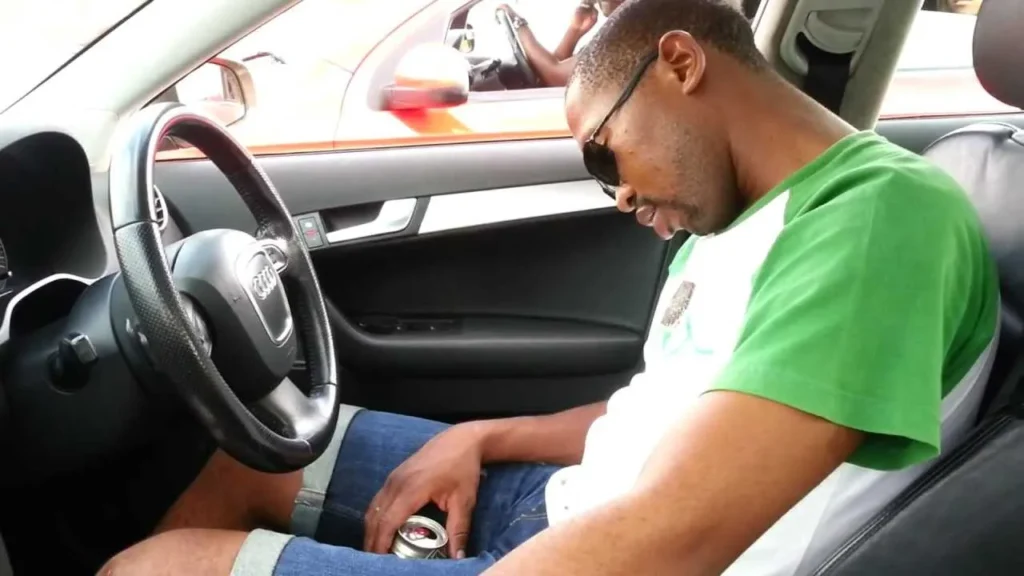
Within minutes, I was standing inside, walking out with a discounted one-litre bottle of whisky tucked under my arm. I could not even bring myself to start the engine before opening it. I poured a full glass, gulped it down, and felt that familiar, deceptive warmth spread through my veins.
Almost immediately, the question came: how could one bottle possibly last a whole weekend at church? I marched back inside, bought a second litre, and then stopped at the neighbouring supermarket to buy garlic and a massive stash of mint sweets to mask the spirit on my breath. Food had long ceased to be a priority; booze was the only nourishment my body demanded.
By the time I reached the conference grounds, the first bottle was already half empty. Around me, the place was coming alive. People were arriving in their white uniforms, greeting one another, putting up tents and settling into the familiar rhythm of the conference. There was excitement in the air, the kind I knew well and had come expecting.
I had been looking forward to the Friday afternoon service, a service I would normally have considered too important to miss. Yet I had arrived carrying a secret that was already beginning to separate me from everyone around me.
As the heaviness in my head turned into a thick fog, I convinced myself that a short nap in the car would restore me before the service. It sounded reasonable at the time. I would close my eyes for a little while, wake up refreshed and join the congregation. Instead, I opened my eyes to complete darkness at two in the morning and watched a few lonely figures drift past the window while others were still erecting their tents in the chill air.
Somewhere beyond that car window, the conference was continuing without me. The people I had come to worship alongside were awake, preparing for another day, while I had slept through the service I had been so eager to attend.
I reached into the back seat, picked up where I had left off and let the liquor pull me back under.
When my alarm finally woke me the next morning, I brushed my teeth, chewed a slice of raw garlic, smoothed down the white uniform and joined the masses with a hymn book tucked tightly under my arm. I remember the peculiar shame of standing among people I knew while trying to make sure none of them could smell what I had been drinking. The garlic and mint sweets were my camouflage. I looked like everybody else, but I was carrying the night with me.
The singing rose around me. The prayers were being said. The congregation was gathered in that familiar communion of voices and faith, but I could not settle into it. I did not hear a single word of the preaching. My attention had narrowed to the bottle in my car and the frightening thought that I only had one left. While everyone else seemed to be receiving something from the service, I was calculating how much alcohol I had and how long it would last.
During the afternoon break, I slipped back to the car, telling myself I would take just one quick sip to calm my shaking hands before returning to worship. Even then, I still believed I would go back. I drank, and when I next opened my eyes, it was half-past ten that night.
By Sunday morning, the booze was still there, but my body had surrendered to absolute ruin. I was moving through the conference like a ghost, utterly consumed by sickness. The church grounds that had felt so full of promise when I arrived now seemed very far away from me, although I was still sitting there among the same people.
At one point, sitting alone in the car, tears began streaming down my face. It was a raw, terrifying burst of grief that caught the attention of a passer-by. When they leaned in to ask what was wrong, the lie slipped out of me without hesitation: I told them I had just received news that my mother had passed away, even though I had spoken to her on the phone only hours before.
I could not tell them the truth. I could not say that I was crying because I was sick from drinking and could not seem to stop.
Unable to bear the lie or the noise of the crowds, I stumbled into the nearby forest and vomited until my stomach burned empty. In the distorted reality of my addiction, that violent purge felt like a victory, a signal that my system had been flushed out and was ready to receive more alcohol. I finished what remained in the car and drove off the church premises to replenish my stash, fully intending to return.
By then, though, something had shifted. The conference I had travelled so far to attend was no longer where my attention lay. I was leaving the church grounds in search of alcohol, carrying with me the same white uniform in which I had arrived with such good intentions. I bought two fresh bottles, got back into the car and drove until I eventually pulled into a filling station, where I parked and fell asleep.
When daylight came on Monday morning, the conference was over. The tents would be coming down, people would be packing their belongings and making their way home, carrying with them the memories and spiritual nourishment of the weekend. I had none of that. I had a car, an aching body and two bottles of alcohol. I had left Empangeni believing I was going to spend a weekend in worship, and I was waking up at a filling station after drinking my way through the very place where I had hoped to reconnect with my faith.
There was no great decision when I woke up. I did not suddenly see the damage and turn the car towards home. I drove to the Durban beachfront and booked a hotel room instead. I had to wait until two o’clock to check in, so I sat in the driver’s seat and kept drinking. The hours passed while I waited, and at some point even those disappeared. I have no memory of how I got from the car to the hotel room bed.
For years, alcohol followed me into places where I had wanted to be free of it. It came with me to church, sat in my car while I worshipped and waited for me during the breaks. It was there when I was surrounded by thousands of believers, and it was there when I was alone and crying. I could still love the sound of the hymns and the comfort of the congregation while knowing that there was a bottle waiting for me outside.
Alcohol had become my oxygen, indispensable yet devastating. No matter how violently it tore my body apart, I remained fiercely devoted to it.
Ours was a deeply toxic romance — I poured my entire loyalty into a substance that hated me in return, while the church, the people and the faith I had travelled to eNanda to be close to kept receding behind the bottle.
Gogo Bathini Mbatha: Founder of Sober Beings/Traditional Healer/Researcher/Spiritual Educator
Get the morning briefing
Our editors’ choice of the day’s stories, in your inbox at six.




Comments
No comments yet.