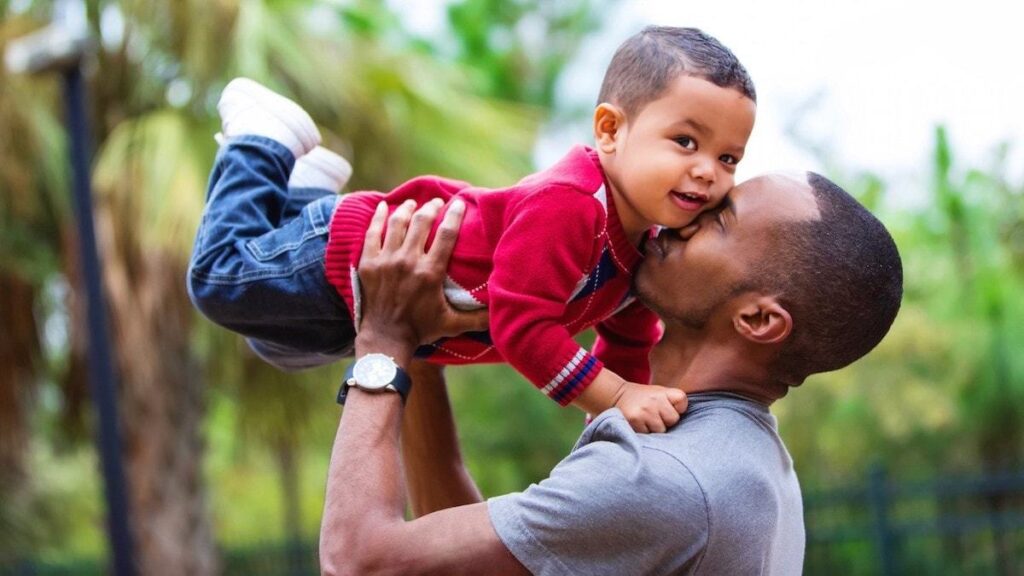

By Halima Layeni
Feminism has played a significant role in advancing women’s rights and transforming societies. From challenging restrictions on education, voting rights, property ownership, and economic opportunities to addressing discrimination, workplace inequality, and sexual violence, feminist movements have contributed to important changes in public attitudes, institutions, and legal protections worldwide.
These achievements have expanded opportunities for women to pursue careers, participate in political leadership, exercise greater autonomy, and challenge traditional expectations that confined them to domestic roles. The determination of generations of women who campaigned for greater freedom and equality deserves recognition.
Yet, as society considers what equality means in practice, we should reflect on how progress can coexist with recognition of others’ contributions. Feminism encompasses diverse perspectives, and not all feminists question the importance of fathers.
However, certain arguments that portray fathers as unnecessary or suggest that diminishing the significance of fatherhood represents women’s advancement deserve closer examination. Exploring these perspectives can broaden conversations about equality, parenting, and family well-being.
At the heart of this discussion lies an important question: Can society fully embrace equality while overlooking the value different people contribute to family life?
Recognising women’s achievements need not diminish men’s contributions. Equality should expand recognition rather than make one group’s advancement dependent on another’s reduced significance.
Women should be free to build fulfilling lives while men are recognised as fathers, caregivers, and active participants in their children’s development.
Research on fatherhood provides an important starting point. A systematic review by Sarkadi and colleagues, published in Acta Paediatrica, examined 24 longitudinal studies and found that positive paternal engagement was associated with fewer behavioural problems in early childhood, lower rates of psychological symptoms and delinquency in adolescence, and stronger cognitive development.
Although fathers alone do not determine children’s outcomes, these findings reinforce the importance of supporting their positive contributions.
A father’s value extends beyond financial provision. An involved father can provide emotional security, stability, guidance, and mentorship, supporting children’s psychological development, self-confidence, emotional regulation, and interpersonal skills.
Through consistent engagement, he can model accountability, respect, and responsible decision-making. His contribution also includes the everyday interactions, emotional investment, and practical care that help children thrive.
An actively involved father can encourage curiosity, learning, resilience, and independent thinking. Through constructive guidance and consistent encouragement, he can help children strengthen their problem-solving abilities, confidence, and capacity to navigate challenges.
These contributions do not diminish the equally important roles of mothers and other caregivers. Rather, they demonstrate why a committed, supportive father can be valuable in a child’s life.
A father’s emotional involvement can offer children reassurance, protection, and a sense of belonging. His presence may provide stability during adversity, support identity formation, and strengthen emotional security, particularly during adolescence.
When a father is loving, safe, and actively engaged, his relationship with his children can become an important source of encouragement.
Conversely, losing access to a meaningful relationship with a father can leave some children without particular forms of guidance, emotional support, and positive male role models.
Some may experience rejection, abandonment, anger, or insecurity. These outcomes are not inevitable, and many children raised by single mothers thrive in loving environments.
Family circumstances, other relationships, and wider support systems all matter. Recognising these complexities should encourage us to strengthen children’s support networks rather than assume that one family structure guarantees better outcomes.
Research has also associated father absence and certain forms of family instability with increased risks of behavioural difficulties, juvenile delinquency, criminal involvement, violence, teenage pregnancy, early sexual activity, school disengagement, substance misuse, and relationship difficulties among some children and adolescents.
These associations do not establish that father absence directly causes these outcomes in every case or justify stigmatising single parents. Instead, they highlight the importance of parental involvement, emotional support, and stability.
When a father can provide safe, responsible care, supporting that relationship can strengthen a child’s protective environment.
These findings also invite reflection on how society communicates the value of fatherhood. When public conversations suggest that fathers are optional or that men’s contributions to family life are inherently less important, they may unintentionally reinforce the idea that paternal involvement is secondary.
A more constructive approach recognises that women’s advancement and men’s participation in parenting are not competing interests. Women can enjoy greater freedom, economic independence, and equal opportunities while men are encouraged to become emotionally engaged, responsible, and present fathers.
Greater gender equality can also help fathers share caregiving responsibilities, develop closer relationships with their children, and participate more fully in family life without being defined solely by financial provision. Supporting these changes benefits fathers, mothers, and children alike.
An inclusive understanding of equality recognises the value of both parents wherever their involvement is safe and beneficial.
Feminism’s commitment to challenging restrictive gender expectations can coexist with an appreciation of responsible fatherhood. Women should not have to diminish men to establish their worth, and men should not have to conform to narrow expectations of masculinity to demonstrate theirs.
A society committed to equality can celebrate women’s achievements while recognising fathers’ positive influence on their children’s lives.
Fathers also deserve recognition as individuals with emotional needs, responsibilities, and a desire to contribute meaningfully to their families.
Many men find purpose in being dependable to those they love, whether through financial support, reassurance, attending a child’s school event, or helping with everyday responsibilities.
These acts of care can have lasting significance. When men feel their involvement is welcomed and their efforts valued, they may be encouraged to remain engaged.
Although paternal disengagement has many causes, encouraging responsible fatherhood means creating conditions in which men are both expected and supported to contribute.
This conversation should not be confused with criticism of women who leave violent relationships or mothers who successfully raise children alone.
Leaving an unsafe relationship can be essential, and single mothers deserve respect for the responsibilities they carry. Not every father is present, capable, or safe, and children’s protection must always come first.
The argument is not that every family must include an actively involved father regardless of circumstances. Rather, the failures of some men should not become a general judgment about the value of fathers, just as women’s independence should not be interpreted as evidence that positive paternal involvement has no place in family life.
A more productive conversation recognises that women can be independent without rejecting partnership, mothers can be capable without carrying every responsibility alone, and fathers can be valued without diminishing mothers.
Children deserve more than a debate about which parent matters most. They deserve safe, loving relationships and the opportunity to benefit from every responsible caregiver who can contribute positively to their lives.
Ultimately, equality does not require one group to become less significant for another to advance. Women do not need men to establish their worth, and men do not need to be indispensable to deserve respect.
Yet when fathers are loving, safe, accountable, and involved, their presence can enrich their children’s lives, support mothers, and strengthen families and communities.
Feminism is not a single viewpoint, and its commitment to equality can create space for this recognition. Women’s progress and the value of fatherhood need not be opposing ideas.
The opportunity before us is to build a society in which women can pursue their ambitions without restriction, men can participate in family life without shame or exclusion, and children can benefit from the love, guidance, and commitment of every parent able to provide it.
We do not have to choose between empowering women and valuing fathers. By making room for both, we can advance a more inclusive understanding of equality that recognises the dignity of women, the value of men, and every child’s opportunity to thrive.
Halima Layeni: Speaker/Global Voice For Men’s Mental Health & Policy Reform/ Author of Dear Man/ Executive Director, Life After Abuse Foundation/ Mental Health Coach For Professionals/ U.S. Consul General Award Recipient
Get the morning briefing
Our editors’ choice of the day’s stories, in your inbox at six.



Comments
No comments yet.