By Jabu Kumalo
There is this very interesting word often used in courts, particularly in murder cases – complicit.
The word interesting is used advisedly here because it may mean totally different things depending on which side one stands on.
The accused can receive very lengthy sentences if found guilty in these cases.
In many cases of complicity, we have heard women and other feminists complain that, in most cases, women accused in the murder of their husbands seem to be punished harshly by the law. They reason that they are not the ones who committed the dastardly deed by pulling the trigger or using any other method of dispatching the victim permanently.
They say the husbands were killed by hired men, sometimes called izinkabi.
The crux of the matter is that if you are complicit, or choose to be involved in an illegal or questionable activity, you are going to be lumped together with your partners in crime.
You were part of the conspiracy, and the law will rightly throw you all into the same basket.
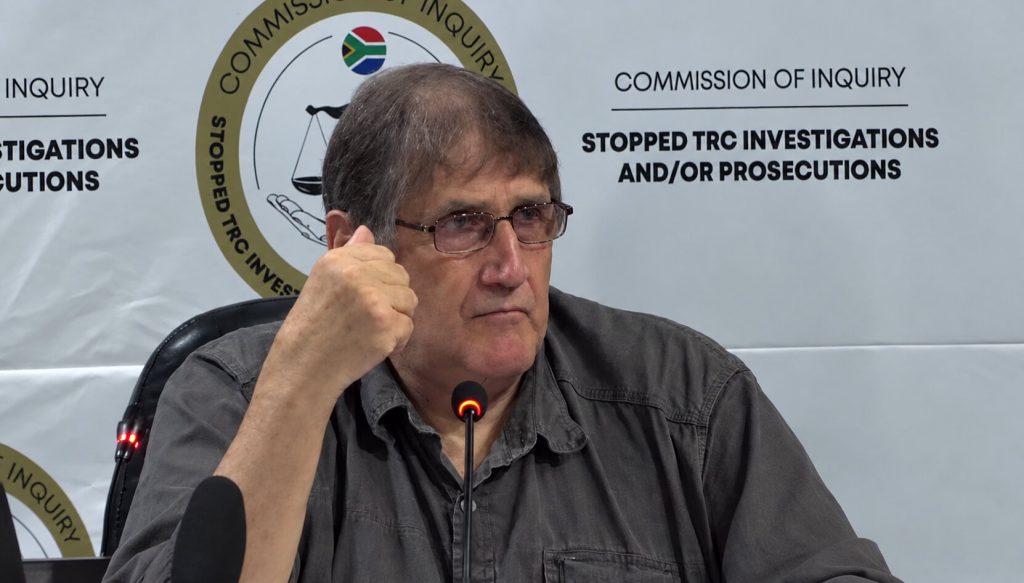
As we feast our greedy eyes on the many entertaining commissions of inquiry and court cases involving high-profile individuals that are fighting for our attention on our TV screens, one that has caught more attention recently is the Commission of Inquiry – Stopped TRC Investigations and/or Prosecutions, generally referred to as the Khampepe Commission.
It is a pity that it is not given the respectful airing it deserves.
We see the former liberation stalwarts being grilled, sometimes to their utter irritation, about trying to prevent the prosecutions of those who committed crimes during the horrible days of apartheid. They are doing their best to put their side of the story publicly.
We see particularly African National Congress leaders, former ANC cabinet ministers and even two of their past presidents being paraded on our screens to answer questions about their role in why Truth and Reconciliation Commission (TRC) victims were never compensated.
Rightly or wrongly, this may be done to humiliate, insult or hold them accountable by asking them to furnish reasons why, after the recommendations of the TRC, everything went quiet.
We are also witnessing another former apartheid agent, Eugene de Kock, known as Prime Evil, being put in the uncomfortable seat too.
The biggest mistake, which is a tragedy of great proportions, is that those who were complicit, or played a bigger role in the conspiracy not only to oppress but also to give instructions to do away with some of the “irritating” oppressed masses, were freely let off the hook.
The apartheid prime ministers, their cabinet ministers, particularly the army and police ones, and those generals who controlled the army and the police, were seemingly “absolved”. Not forgetting the judges who played a huge role in all this cruelty.
If the whole thing cannot deal with those who gave instructions, it does not make sense to hunt down and accuse a few individuals who were foot soldiers, like De Kock, and make them shoulder the whole blame for apartheid.
The likes of former presidents Thabo Mbeki and Jacob Zuma, and senior ANC ministers, are suffering now, probably rightly so, for supping with the devils who were the chief architects of apartheid. They wined and dined with them and even gave them important positions in government and society.
They tied themselves into a tight knot in their desperation to be the first ones in government.
Reconciliation and the so-called peace were more important to them at the time than the decades of suffering that lay ahead for the disenfranchised, oppressed masses.
Now they are suffering the consequences of their secret deals with apartheid masters who outplayed them.
There are many ways in which people could have been compensated for the suffering they endured under apartheid.
Sad and painful to say, everybody could have been compensated. Our country had, and still has, the monetary means to do so. If that had been done, we would not be seeing the harsh poverty that hardworking people are living under right now.
Just after the 1994 elections, my brother used to tell anyone willing to listen that all those who were over 21 years of age in 1994 should be given a million rands each to start a fresh life. Most people, including me, dismissed him and laughed at him.
Many years later, having seen the billions of rands that have gone down the drain through corruption in the past many years, I now know that my old brother was right.
The question that nags my conscience is why only a handful of individuals are regarded as the victims of apartheid.
Why should only a few people be compensated when apartheid ran like a mad tornado through the lives of all the oppressed masses, ripping out their roots, their being and, most of all, their dignity?
Its mercilessness never cared for unborn babies and dead Africans then, and it still does not do so to this day.
Why should only a few get preferential treatment when millions suffered and are still licking their wounds from the cruelty of this crime against humanity?
One clear thing about apartheid, though, is that it was ironically democratic when it came to the subjugation of African people. It never asked for surnames or whether the particular native came from a good or bad family. It never cared whether you and your parents were famous or unknown. The playing fields were level here. The only requirement for your suppression was that you be a Bantu, a Native or a “kaffir”.
This systematic domination and oppression of one racial group by another was not declared a crime against humanity by the United Nations for nothing.
Apartheid is still part and parcel of dehumanising Africans/black people even today. It will continue wrecking lives for many decades to come.
This evil monster was created not to die. It has this cruelly amazing ability to recreate or replicate itself again and again. It will never die. Not in our lifetime, of course!
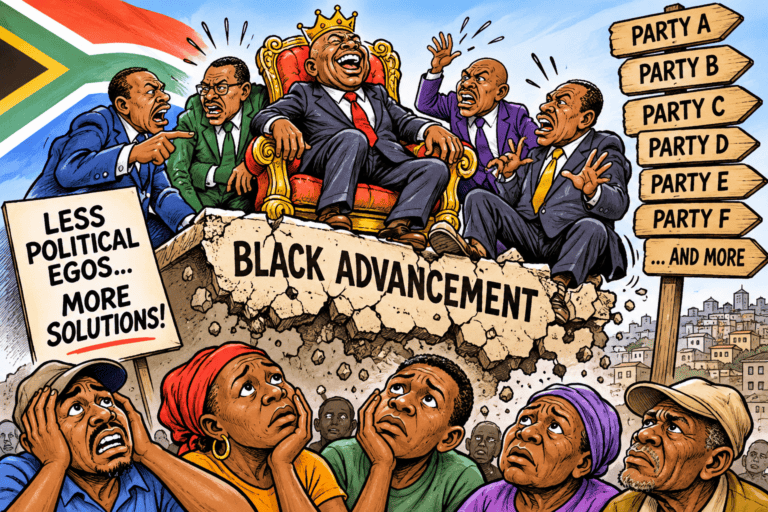
Generations to come will still feel its effects even after the next hundred years. That is how deeply rooted this system is. And many take it for granted that, by merely voting for this or that political party, they will have dealt a devastating blow to this monster.
Every oppressed and exploited person who was alive just before, just after and in the decades following the transition should get some compensation of one sort or another.
Millions are still being compensated for the atrocities of the Holocaust, and there is no quarrel about that.
The TRC by itself was a cruel blow to the conscience of the oppressed, sacrificing them by throwing them into a potjiekos pot with the oppressors. It was truly insensitive to lump together the victims and the perpetrators. It is just unforgivable. That is why we are here now.
The images of the humiliation of a stalwart of the calibre of Mam’ Winnie Mandela at the TRC refuse to be deleted from the memory bank.
The tragedy is that the powers-that-be have managed to blindside competent political, economic and other seasoned commentators into concentrating on a dry bone in the form of these endless commissions.
The idea is to distract the disadvantaged communities from focusing on the real issues that are keeping them in perpetual poverty. They want the people to forget about engaging in debates about the wealth of the country, which is enjoyed only by a handful.
Bitterness among those who still think freedom is an insensitive rumour is so strong that it can actually be cut with a blunt knife.
Many may not be known and never appeared before the TRC, but they too put their lives on the line for liberation.
All Africans deserve a break. It is an unacceptable pain for them to watch the whites and the elite African class flaunting their wealth in their poor faces.
When we go to shops, we are charged the same whether poor or rich. Houses and cars are the same price, regardless of the fact that Africans started from below zero and have to compete with those who were way ahead in monetary terms.
Get the morning briefing
Our editors’ choice of the day’s stories, in your inbox at six.



Comments
No comments yet.