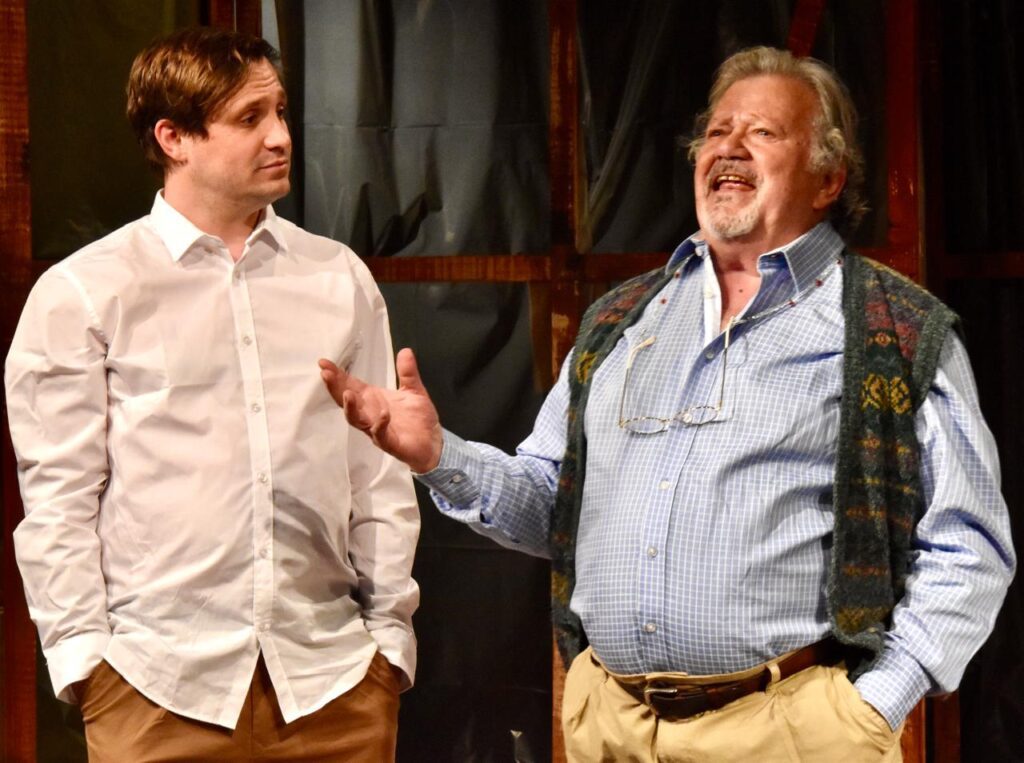
Beyond its lessons about life and death, Tuesdays with Morrie offers a powerful reflection on fatherhood, mentorship and the responsibilities men owe one another, writes Sandile Memela. He argues that the production challenges African men to rediscover the value of presence, wisdom and meaningful relationships across generations.
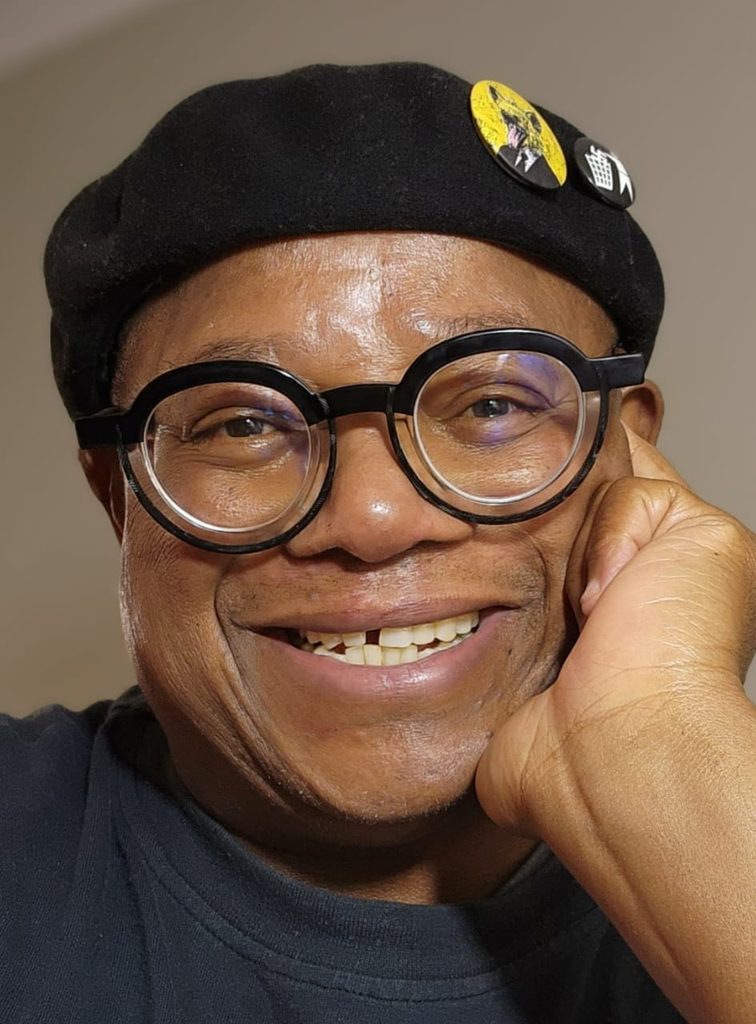
By Sandile Memela
I went to Theatre on the Square to watch the stage adaptation of Tuesdays with Morrie.
One of those books one reads twice. Keeps within arm’s reach. Recommends to friends and family. You know the book. Mitch Albom’s 1997 memoir of his Tuesdays with his old sociology professor, Morrie Schwartz, who is dying of ALS.
I have read it twice. I thought I knew it. I did not. To see it live, breathing, with two chairs and a life between them, is a different education.
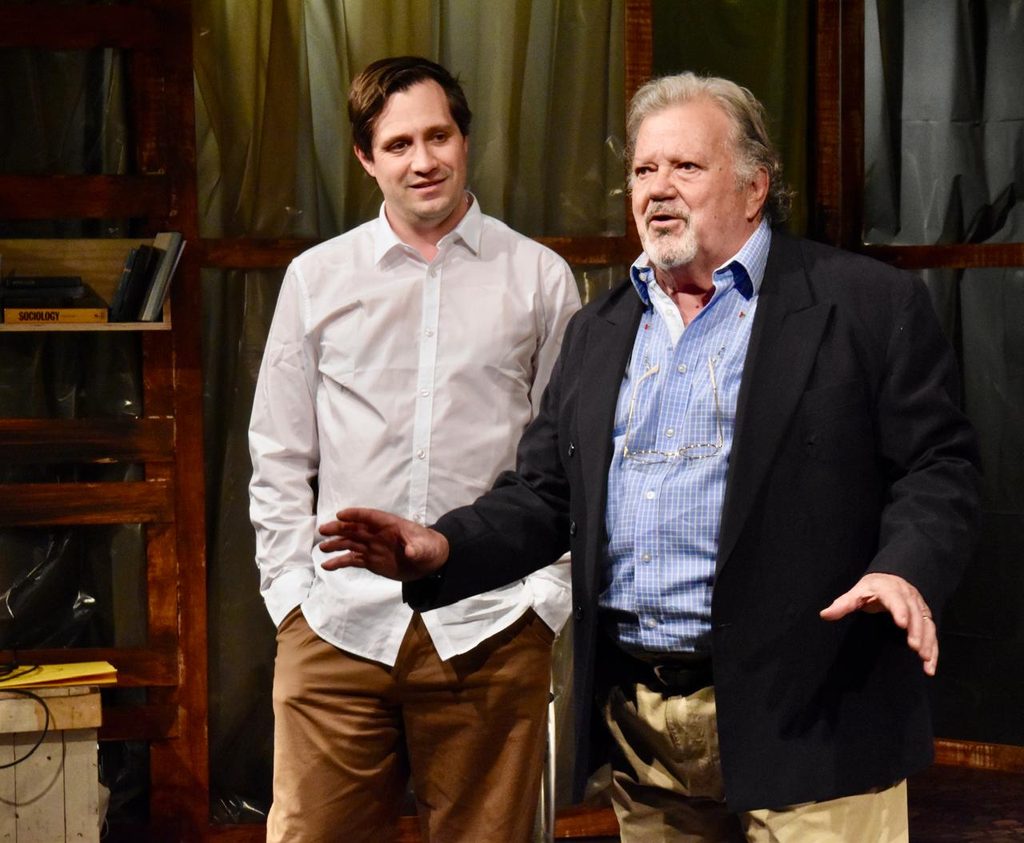
This is a must-see production for its humanity. It does not teach you how to act. It teaches you how to live. To laugh. And how to die.
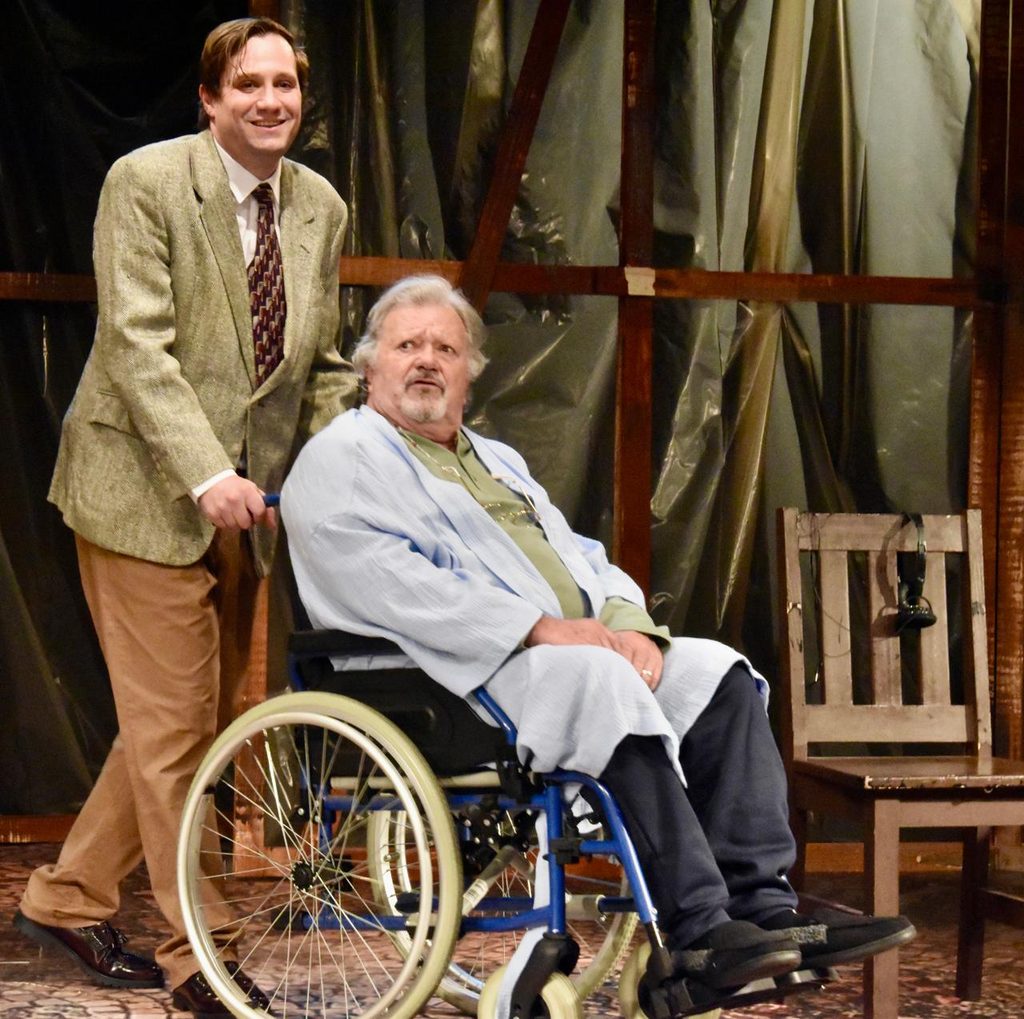
For those who have not seen it: the play is simple. Two men. Morrie, 78, dying. Mitch, 37, living, but not really. Mitch is what we have all become: busy, successful, chasing. Morrie is what we all secretly want to be: present, loved, at peace.
Every Tuesday, Mitch drives to Morrie’s house in Boston. One last class. The subject: The Meaning of Life.
At Theatre on the Square, that small, intimate jewel box in Sandton, the simplicity works. There is nowhere to hide. No big set. No distraction. Just two actors, a fern and the truth. The audience was so quiet you could hear a handkerchief being opened. Because everyone in that room knew: this is about us.
The play explores that father-son relationship, and how only sons who spend time with their fathers become better men.
Mitch had lost his father figure. After university, he traded Morrie for the newsroom, for promotions, for a bigger flat, for a brand of sneakers that never made him happy. He became rich in things and poor in time.
Morrie becomes his father again, but not by biology.
And what is clear in this production, and this is the powerful lesson for us as African men, is that a father is not defined by biology. A father is time. A father is presence. A father is a man willing to sit with you on a Tuesday and tell you the truth.
There is no son who can grow without a father if he is willing to put in time to cultivate a meaningful relationship with an older man. We have lost this. We have sons growing up in houses full of uncles who are on their phones. We have fathers who are alive but absent. We have successful sons who have never asked an older man: How do you live? How do you forgive? How do you die?

Morrie says: “There is no foundation, no secure ground, upon which people may stand today if it isn’t the family. If you don’t have the support and love and caring and concern that you get from a family, you don’t have much at all.”
In the play, that line lands like a hammer. Because we know it. We have built towers of success with no foundation.
It was an evening well spent, exploring and searching for answers on how to make life better. The theatre was full of people my age, retired or nearing retirement. People who have worked for 40 years. People who drove to Harties and saw heaven behind a boom gate. People who voted and felt that cognitive dissonance. We were all there, asking the same question Morrie asks: “If you could do it all again, would you do it differently?”
The genius of this adaptation, directed with restraint, is that it never becomes sentimental. The actor playing Morrie, frail and funny, with eyes twinkling even as his body collapses, refuses pity. He teaches Mitch, and us, to laugh at death. To dance. To cry without shame. He says, “Don’t cling to things, because everything is impermanent.”
This business of pursuing material success and accumulating things just does not cut it in the end. It reduces one to a voluntary slave.
Mitch learns that slowly. At first, he keeps checking his watch. Then he stops. At first, he is embarrassed to hug and kiss Morrie. Then he cries when he cannot.
That is us. We have become voluntary slaves. To houses we cannot afford in Harties. To cars whose rims we protect by voting for pothole parties. To Gucci postures with gangsters in our pockets. To the endless, Sisyphus-like push of a boulder that never stays up.
Morrie says: “We are all part of a big soup.” We forgot the soup. We wanted the bowl for ourselves.
What does Morrie teach on his last Tuesdays?
Love each other or perish.
Forgive yourself before you die. Then forgive others.
Don’t buy what you don’t need. You are not your things.
Give to others. The best way to find yourself is to lose yourself in service.
Death ends a life, not a relationship. Love lives on.
Simple things. But when was the last time a politician taught you that? When was the last time a tenderpreneur taught you that? Never. They teach you how to push the boulder. Morrie teaches you how to walk down the mountain happy.
At the end of the play, I will not spoil it for those who have not seen it: there is no miracle. Morrie dies. That is the truth that makes the play holy. The boulder falls. The ALS wins. But Morrie wins because he loved well.
I walked out of Theatre on the Square into Sandton’s warm night air, and I thought of Chris More, that man of God who died at Harties. Warm, humble, kind, selfless. He knew what Morrie knew.
All we need is love. We must learn to love without expecting anything in return.
We spend our lives expecting a return: votes, tenders, BEE shares, recognition. Morrie loved Mitch without expecting a book in return. He just wanted one more Tuesday.
Go and see it. Take your son. Take your father if he is still alive. Take a young man you mentor. Take someone you have not forgiven.
It is not theatre. It is therapy before the next election. It is therapy for a life spent chasing things that do not matter, in a country that is beautiful but broken, in a body that is getting older.
One of those nights that keeps you within arm’s reach of yourself.
• Tuesdays with Morrie is on at Theatre on the Square until 18 November. 110 minutes, no interval. Book at Computicket. Take tissues.
Get the morning briefing
Our editors’ choice of the day’s stories, in your inbox at six.

Comments
No comments yet.