By Staff Reporter
South Africa’s role in international efforts to combat the illicit arms trade has come under scrutiny, with firearm-advocacy organisation Safe Citizen calling on the government to disclose its own record of weapons lost or stolen from police custody.
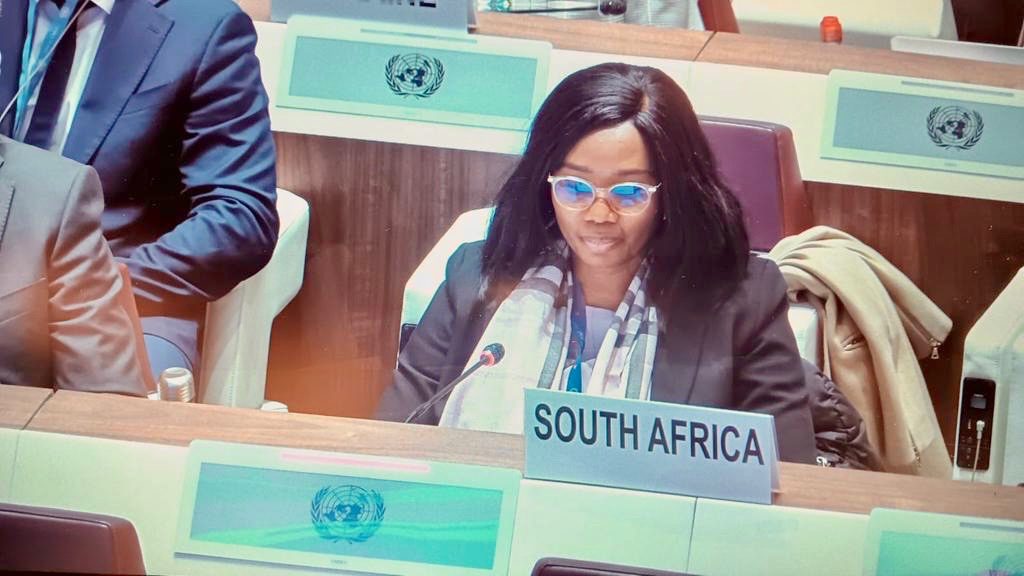
The organisation’s intervention comes as senior South African diplomat Tsholofelo Tsheole chairs the Twelfth Conference of States Parties to the United Nations Arms Trade Treaty (CSP12) in Geneva.
The conference, which runs until 28 August, is focused on implementation of the treaty, including measures to prevent the diversion of legally traded weapons into the hands of criminals and armed groups.
Safe Citizen said South Africa’s participation presented an uncomfortable contradiction because the country itself had experienced significant losses of firearms from state custody.
Research compiled for the Civilian Secretariat for Police Service by Van der Merwe and colleagues in 2023 estimates that between 3,400 and 4,124 firearms were lost or stolen from South African Police Service custody between 2020 and 2025.
The organisation argues that the figures deserve particular attention because firearms held by the police are already under state control and are not subject to the same licensing process imposed on civilian owners.
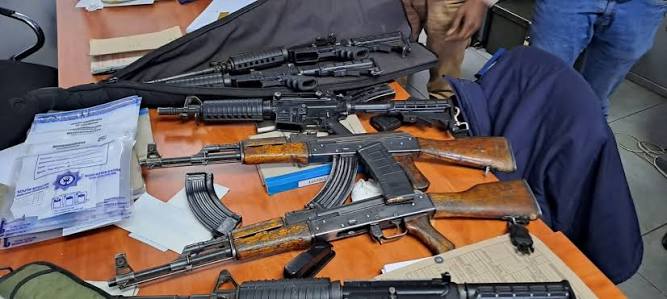
Safe Citizen wants the government to place its own firearm-loss figures before delegates attending CSP12, together with information on recovery rates and the disciplinary and prosecutorial action taken against officials or criminal networks implicated in the diversion of weapons.
Jonathan Deal, director of Safe Citizen, said South Africa could not present itself as a model of arms control while failing to account publicly for firearms that had disappeared from its own armouries.
“We are not appearing before the world as a model of arms control — we are, on the numbers, part of the problem this treaty exists to solve,” Deal said.
The organisation’s criticism extends beyond the security of police armouries to the functioning of South Africa’s civilian firearm licensing system.
Safe Citizen said the Central Firearms Registry had been affected by persistent administrative backlogs and technical failures, while the Firearms Appeal Board had remained without a fully functioning structure for extended periods.
The result, it argues, is that licensed firearm owners who have complied with the law can spend months or years waiting for applications and appeals to be processed.
Safe Citizen says the disparity between the treatment of compliant firearm owners and the state’s management of weapons already in its possession requires greater scrutiny.
The organisation is calling for independent audits of police and military armouries, stronger security controls and meaningful disciplinary and criminal consequences where negligence, theft or corrupt diversion is established.
It is also calling for the Central Firearms Registry to be fully digitised and for the Firearms Appeal Board to be properly staffed. It wants a legislated grace period for firearm owners who can demonstrate that they submitted applications in good faith and were caught in administrative backlogs.
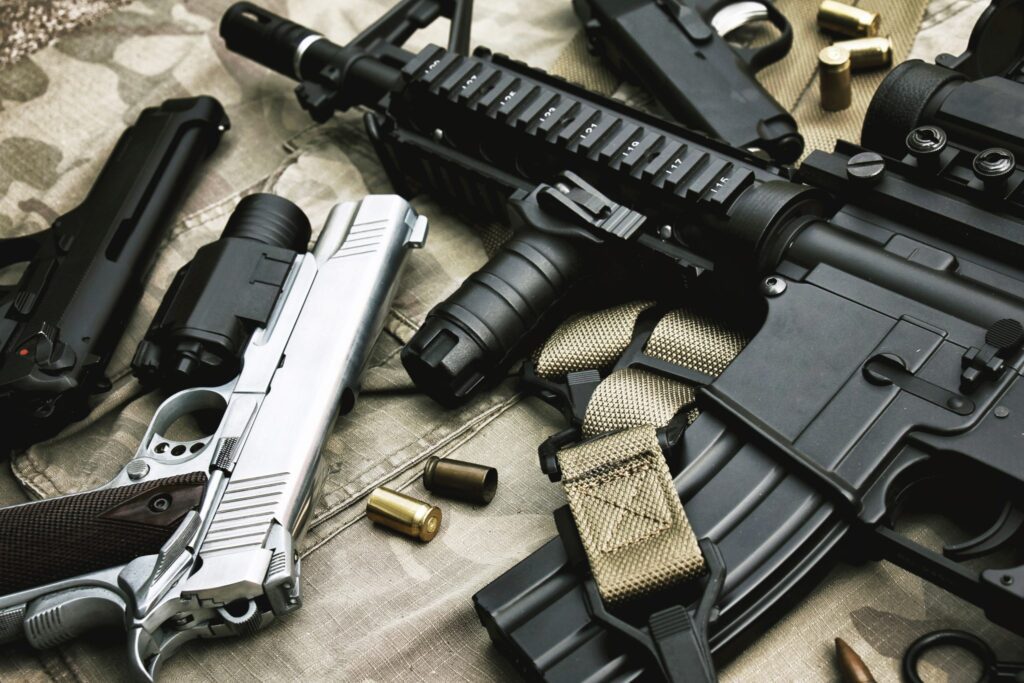
The organisation further argues that South Africa’s firearms debate should focus more heavily on the supply of weapons to criminal networks than on lawful civilian ownership.
It points to the country’s high rate of firearm-related violence, saying that roughly 33 people are shot dead each day. Safe Citizen maintains that a significant proportion of firearms used in crime are already outside the legal system and that some originated from state custody.
Its argument challenges the proposition that reducing lawful civilian firearm ownership will, by itself, substantially reduce violent crime.
Safe Citizen contends that people intent on committing violent crimes can obtain weapons through illicit markets or other means, while institutional weaknesses can create opportunities for firearms to be diverted from legitimate stockpiles.
The organisation also cites Switzerland as an example of a country where relatively high levels of regulated civilian firearm ownership coexist with a substantially lower homicide rate than South Africa’s. It argues that the difference lies less in the existence of firearms than in the effectiveness of policing, courts, regulation and institutional controls.
However, the claims made by Safe Citizen about the causes of South Africa’s firearm violence and the effectiveness of civilian firearm ownership as a deterrent are contested areas of public policy and require consideration alongside the broader body of research on firearm availability, regulation and violent crime.
At CSP12, the broader international focus remains on preventing weapons and ammunition from being diverted from legitimate transfers and subsequently reaching unauthorised users.
Safe Citizen wants South Africa to apply that principle to its own institutions.
The organisation has therefore called on the government to disclose its state firearm-loss and diversion figures, recovery rates and accountability outcomes before the Geneva conference concludes on 28 August.
Deal said the people most at risk were not necessarily those who had complied with the country’s firearms laws.
“Our people are not endangered by the law-abiding citizen who has waited months and sometimes years for administration that the state cannot process,” he said. “They are endangered by the thousands of firearms that have walked out of police custody, and by a state that has not yet told the world how many, or what it has done about it.”
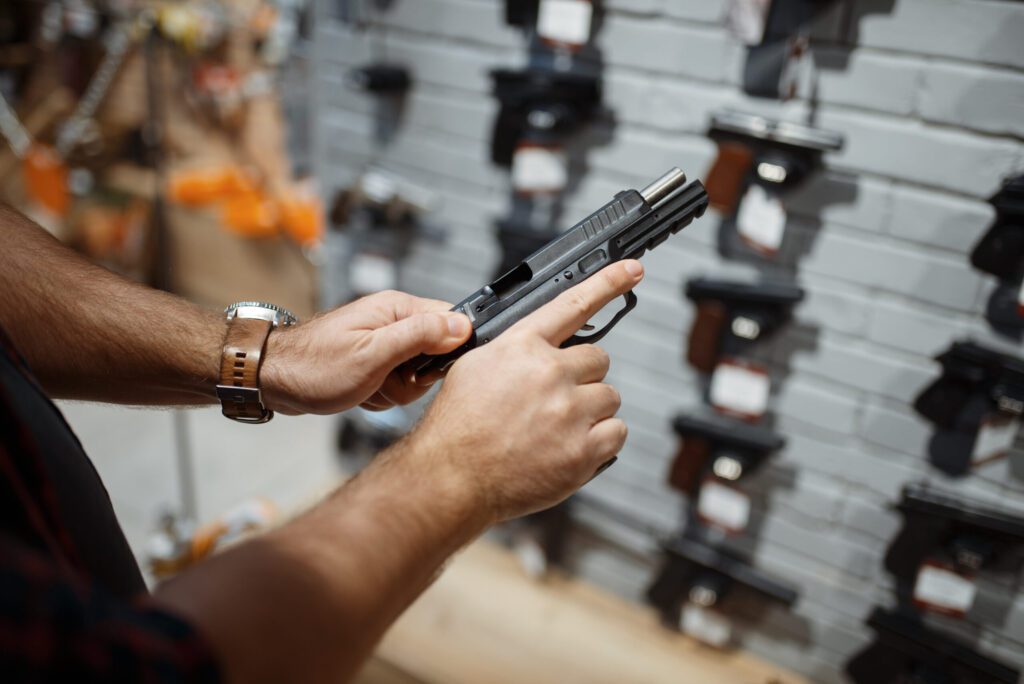
Safe Citizen says the immediate priority should be to establish precisely how firearms leave state custody, where those weapons end up and whether officials responsible for preventing their diversion are being held accountable.
The questions put to the government are therefore not confined to Geneva. They go to the security of police armouries, the integrity of the country’s firearms administration and the state’s ability to account for weapons already entrusted to it.
Get the morning briefing
Our editors’ choice of the day’s stories, in your inbox at six.



Comments
No comments yet.