By Seun Mogotji
Phetedi Primary School has an approval letter, an EMIS number, and, apparently, everything it needs to exist on paper.
What it does not have is the one thing that matters most: a school.
The Limpopo Department of Education approved Phetedi Primary School in Magagamatala in January 2023 as a Public Ordinary Primary School and allocated it EMIS No. 996606834.
The department was also clear that the school could operate only once the necessary building infrastructure had been provided.
Three years later, the community is still waiting.
That should concern every person who believes that government exists to turn public commitments into tangible services, particularly for children whose education should not depend on how efficiently a department moves paperwork from one desk to another.
But the delay raises another question, and it is one government should answer without becoming defensive: who has benefited from the absence of the school?
The Bolsheviks Party of South Africa is not accusing anyone of deliberately preventing the construction of Phetedi Primary School. We have no evidence that would justify such a claim. What we are saying is that the circumstances deserve proper investigation because, when a permanent public facility is not delivered for years, the failure has financial consequences.
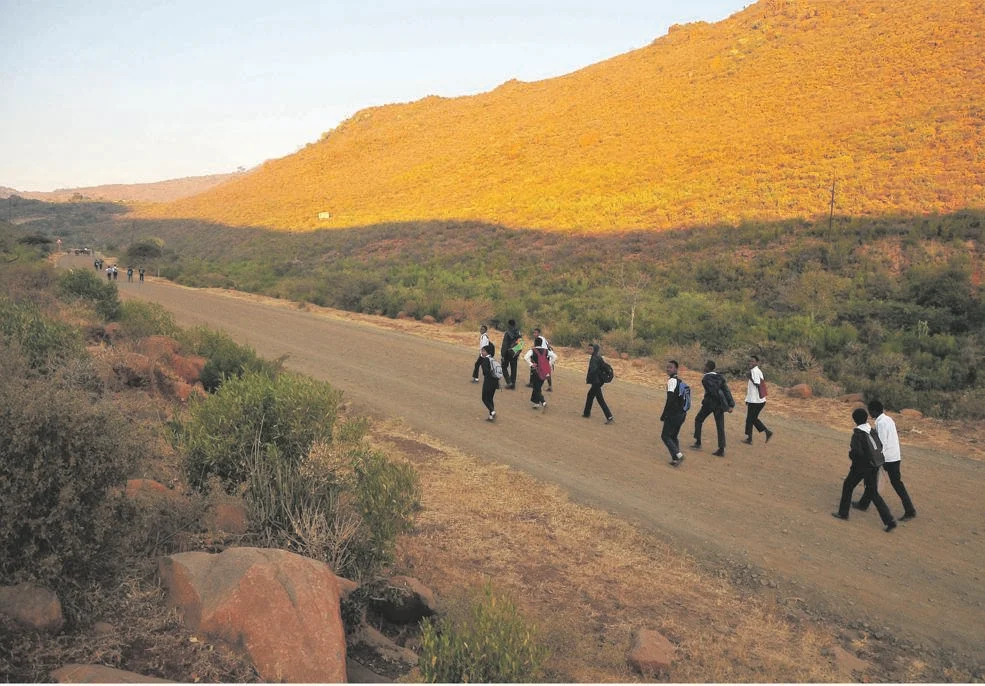
Children still need to get to school. Families still need to make arrangements. The government still has to provide services. Where learners depend on scholar transport because the promised infrastructure does not exist, public money can continue flowing into transport arrangements that were never supposed to become a substitute for a permanent school.
That is why we want to know how much has been spent on transporting learners affected by the absence of Phetedi, which companies or operators have received that money, how they were appointed, how long their contracts have run, and whether those arrangements have been extended because the infrastructure project has remained delayed.
These are not accusations. They are basic questions about public expenditure.
We also want to know whether there were any relationships or conflicts of interest involving officials responsible for the infrastructure project and businesses providing transport services. If there are none, an investigation will establish that. If there are, the public deserves to know.
The same principle applies to the school project itself.
The government must disclose what the original implementation programme was, what caused each significant delay, how much money was budgeted, how much has been spent, who has been appointed to undertake the work, what happened to the procurement process, and who the implementing agent is.
Most importantly, the community needs a credible construction commencement date and completion date, rather than another vague assurance that the matter is “being processed”.
There is a limit to how long citizens can be expected to accept bureaucratic language as an explanation for the absence of basic infrastructure.
For government officials, a delayed school may be another item in a project register. For parents in Magagamatala, it is their children’s education. For the children themselves, three years represents a significant part of their schooling.
This is why the Phetedi matter should not be reduced to another dispute between a political party and a government department. It goes to a much larger question about how public money is protected when the government fails to deliver what it has already approved.
Scholar transport itself is not the problem. Rural communities need reliable transport, and legitimate transport operators provide an important service. The concern arises when temporary arrangements are allowed to continue indefinitely because a permanent public obligation has not been fulfilled.
That is where oversight becomes essential.
If the delay was caused by inadequate funding, the government must explain why the project was approved without the resources necessary to deliver it. If procurement problems caused the delay, those responsible must account for them. If administrative incompetence is responsible, the officials concerned should not be protected by an anonymous bureaucratic process.
And if an investigation were to uncover evidence that anybody deliberately obstructed the project for private financial gain, that would be far more serious and should be dealt with through the appropriate legal and administrative channels.
The people of Magagamatala should not have to choose between accepting indefinite delays and wondering whether somebody is benefiting from them.
The BPSA therefore calls for a full audit of the Phetedi Primary School project and a transparent investigation into the expenditure associated with scholar transport necessitated by the absence of permanent infrastructure.
We want the relevant records placed before the public so that the facts, rather than speculation, can determine what happened.
There is nothing unreasonable about such a demand. Public money belongs to the public, and public projects must withstand public scrutiny.
Three years after approval, Magagamatala should not still be asking when its school will be built. The department recognised the need, approved the school, and assigned it an EMIS number. The only missing part is the infrastructure that turns an administrative decision into a functioning school.
The children of Magagamatala should not have to carry the cost of that failure, whether through disrupted arrangements, unnecessary expense, or another year of waiting.
Build Phetedi Primary School, account for the delays, and let an independent examination establish where the money has gone and whether anyone has benefited improperly.
If there is nothing untoward, the investigation will demonstrate that.
If there is, the public deserves the truth.
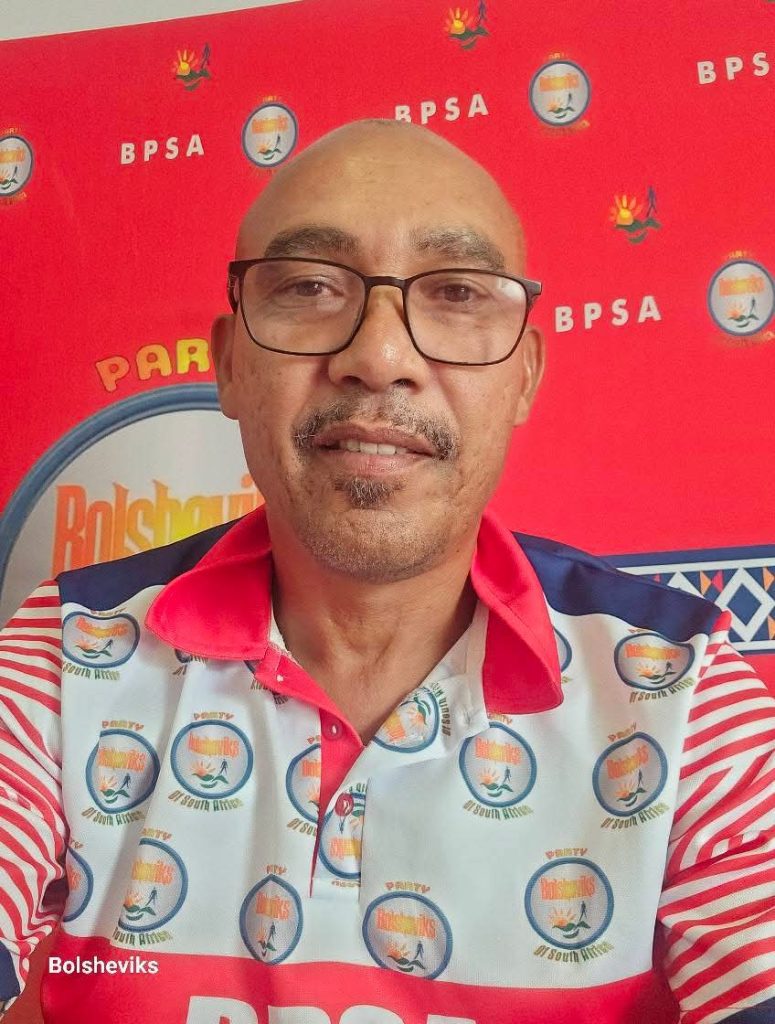
Seun Mogotji is the General Secretary of the Bolsheviks Party of South Africa.
Get the morning briefing
Our editors’ choice of the day’s stories, in your inbox at six.




Comments
No comments yet.