


Mbatha woke up inside a casket and still went out looking for another drink. Between 2022 and 2023, his addiction helped destroy 13 businesses and plunged hundreds of families into hardship. He betrayed people who trusted him, abandoned responsibilities and nearly destroyed himself. This is his honest reckoning with alcohol.
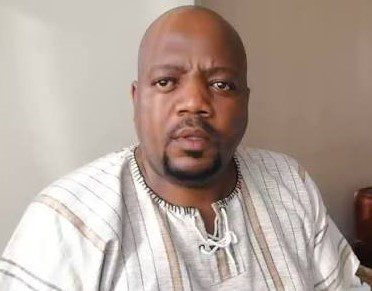
By Gogo Bathini Mbatha
There is a specific, quiet horror to the smell of stale liquor when it seeps out of a man’s pores in the dead of night.
It is not just the stench of cheap spirits; it is the smell of rotting ambition, broken vows and a soul slowly turning to ash while the heart is still foolish enough to beat.
For a long time, I thought I was invincible. I walked with the chest-out bravado of a man who believed he held the world by its reins. I mistook noise for strength, recklessness for courage and the temporary confidence of a drunken man for some divine assurance that nothing could touch me.
But strip away the fancy clothes, the loud laughter in drinking corners and the hollow confidence that alcohol feeds you, and you find the truth: I was a coward wrapped in a blanket of poison.
The lowest point of my life did not happen in a brawl or a police cell. It happened in the heavy, suffocating silence of a funeral parlour in town, a place called Gogo Funerals.
Normally, a parlour carries a solemn dignity. It smells of polished mahogany, fresh lilies, cold stone and the clean, quiet reverence we owe to the dead. But that morning, the room smelled like an abattoir of human decency. It smelled of dried sweat, sour breath and the bitter residue of a night spent drowning in a bottle.
I woke up with my spine pressed against the padded lining of an open casket.
The night before, out of my mind on liquor and driven by a twisted, drunken curiosity, I had wandered past the rows of display coffins. I stared down into the dark, satin-lined belly of one particular box and thought: I want to know how it feels. I want to know what it feels like to lie in a casket.
So I climbed in, lay back and let the blackness take me. I slept inside that casket like a dead man until the morning light filtered through the blinds.
No alarm woke me. I was jolted awake by a sound that still echoes in the darkest corners of my mind: the sharp, violent thud of a human body collapsing onto the cold floor.
A young woman on my staff had walked into the showroom to start her workday. She took a few steps into the quiet room, looked over at the open casket and saw my motionless face staring back at her from inside the box.
The sheer, paralysing terror of believing that her boss was a corpse knocked the wind out of her. She fainted, crumpling onto the tiles.
And yet, even that was not enough to make me stop.
When I finally dragged my heavy, aching body out of that coffin, I did not fall to my knees in repentance. I did not check on her with a heart full of shame. I did not even go home to wash the stink of coffin dust and stale alcohol from my skin.
I stepped over the threshold, walked straight out into the morning sun and went to buy another drink.
That is the part of the story that shames me most. Not that I climbed into a casket while drunk, but that I climbed out of it and carried on drinking as though I had been given another ordinary morning instead of a warning.
A few hours later, reeking of spirits and the grave, I sat down to consult with people who came to me for spiritual guidance. They brought their broken marriages, their sick children and their deepest anxieties, placing them at my feet.
I sat there pretending to offer them light, playing with their destinies, while my own hands trembled from the morning shakes and my spirit rotted to its core.
I was offering people answers while my own life was collapsing around me.
Alcohol is a grand, demonic magician. It does not just intoxicate you; it rewrites your mind. It wraps itself around your pride and gifts you a fake, bloated courage, a swagger built entirely on smoke. It makes you feel wildly brave while turning you into the most destructive fool on God’s earth.
It whispered sweet, lethal lies in my ear. It told me that abantu abadala — the ancestors — would oversee my businesses. It convinced me that because the seed money had come through sacred paths, the spiritual realm would run my operations for me. It lied to me, telling me that I was too big, too gifted and too protected to fail, and that I could run a commercial empire by remote control from the bottom of a glass.
And I swallowed every drop of that poison.
The damage I caused leaves a physical pain in my chest that no amount of time will ever erase.
I abandoned a business in KwaNongoma, never setting foot on the property for nearly two years. I hid like a thief, ignoring phone calls while unpaid rent piled up, until I finally slunk back in the dead of night, only to turn the key in the lock and shut it down forever.
There was no dramatic ending, no grand confrontation. Just a man who had drunk his way out of responsibility, returning under cover of darkness to lock the door on something he had once believed would succeed.
But the loss of money is nothing compared with the murder of human trust.
I think of a woman who believed in me, a sister who looked at my talent and handed over her hard-earned savings. She placed her dreams, her financial security and her complete faith in my hands to revive an enterprise. I took her money. The capital was deposited, the business plan was ready, and the business kicked off, but the man meant to lead was absent. The pillar was passed out in a dark room with a glass in his hand.
I did not just fail her venture; I shattered her faith in people. I took her willingness to trust a brother and crushed it beneath my own selfish addiction. Money can be earned again. Businesses can be rebuilt. But there are wounds you leave in another human being that no apology can completely close.
Between 2022 and 2023, my drinking did not just close doors. It buried 13 businesses.
You read that right: thirteen.
Every single time I signed a liquidation document or stopped answering a landlord’s call, I was not just walking away from a failed business. I was severing the lifelines of nearly 300 human beings who depended on me.
These were mothers who needed to buy formula for their babies, fathers who relied on that end-of-month salary to buy mealie meal and pay school fees, young people who had their first real jobs and felt a sense of pride walking to work every morning, and people who had trusted that the man at the helm knew where he was going.
He did not, because he was too drunk to keep the ship straight.
More than 300 families were plunged into financial hardship and despair because I could not control the thing I had convinced myself I controlled.
That is the cruelty of addiction. It does not arrive announcing that it intends to destroy everything you have built. It arrives as a drink after a difficult day, another one because the first one was not enough, and then another because stopping suddenly feels harder than continuing. Before you realise what has happened, the bottle is no longer something you reach for. It is something you organise your life around.
I was meant to be a healer. I was born to build, to uplift, to give life and dignity to my community. Instead, alcohol turned my hands into hammers of destruction.
And perhaps that is what frightens me most when I look back. I did not become a different man overnight. I became a worse version of myself one drink at a time, one excuse at a time, one abandoned responsibility at a time, until the man I thought I was and the man I had become could no longer occupy the same room.
That is the true, bleeding tragedy of alcohol abuse. It does not just destroy your body; it hollows out your conscience. It teaches you to live with things that should keep you awake at night. It makes you foolish enough to sleep in a coffin, shameless enough to walk away from the damage and numb enough to return for another drink while the people around you are counting the cost.
And when the bottle finally stops speaking for you, when the noise dies down, and there is nowhere left to hide, you are forced to stand in the silence and look honestly at what you have done.
The shame is not really about the businesses I lost or the money that disappeared, although both of those losses still hurt. It is about the people who trusted me, the people who depended on me, and the people whose lives were tied to decisions I was too intoxicated to make responsibly.
That is where the shame lives for me: in knowing that I was supposed to be building lives, creating opportunities and giving people hope, yet my addiction made me careless with the very trust and responsibility that had been placed in my hands.
And perhaps that is also where recovery had to begin — not with pretending that the damage never happened, but with finally having the courage to look at it without a bottle in my hand to blur what I had done.
Gogo Bathini Mbatha: Founder of Sober Beings/ Traditional Healer/ Researcher/ Spiritual Educator