By Staff Reporter
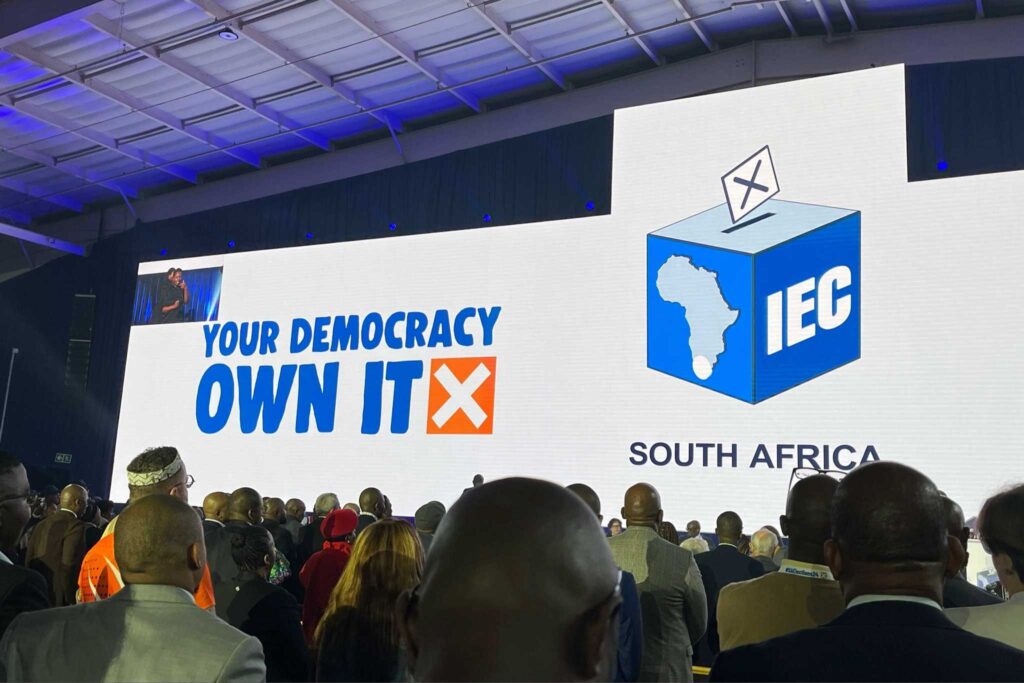
With South Africans heading to the polls on 4 November, the Electoral Commission of South Africa (IEC) is joining forces with some of the world’s biggest technology companies to tackle false and misleading information that could influence voters.
Google, Meta, Microsoft, TikTok and non-profit organisation Moxii Africa have partnered with the Commission to help voters access reliable election information and strengthen efforts to counter disinformation during the 2026 Local Government Elections.
The agreement builds on a similar partnership established ahead of the 2024 National and Provincial Elections. This time, the Commission says, it will have more direct access to the online platforms when action is needed against election-related disinformation.
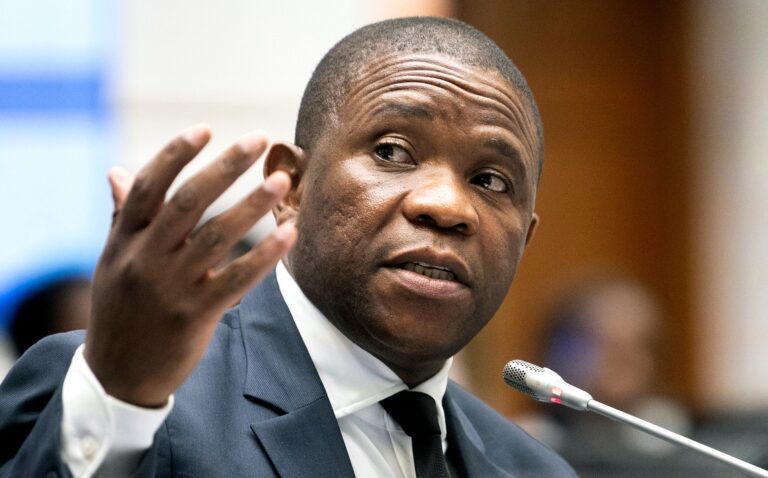
Chief Electoral Officer Sy Mamabolo said the partnership would help the IEC respond more quickly when false information threatens to undermine public confidence in the elections.
“Our partnership with digital platforms is critical to ensuring that voters have access to credible, accurate and trustworthy information to make informed political choices,” Mamabolo said.
“A technically flawless election can still lose public trust if citizens are overwhelmed by disinformation.”
He said the agreement removed barriers to direct engagement with the platforms, giving the Commission a better chance of securing swift action against those spreading disinformation.
The partnership comes as the IEC steps up measures to address false information during the election period. On 4 September, the Commission gazetted an Electoral Code of Conduct on Countering Disinformation for the local government elections.
The code applies to political parties, candidates and anyone acting on their behalf. It forms part of the Electoral Code of Conduct and carries the same sanctions.
Under the new partnership, the IEC and the technology companies will work together during the election period, run voter-awareness campaigns and provide training on disinformation for political parties, candidates and other stakeholders.
The agreement also commits the partners to respecting existing laws and the Constitution. It does not require the companies to share confidential user data.
The platforms will retain the right to enforce their own policies, including removing content, issuing warnings and reducing the visibility of material that breaches their rules.
How voters can report disinformation
The IEC has designated Real411, an online platform for reporting disinformation, to support its efforts to limit the spread of false election information.
Voters who encounter suspected election-related disinformation can submit complaints through real411.org.za or the Real411 app. Complaints are handled in all 11 official languages.
Real411 assesses complaints independently and recommends action to the Commission and the relevant platforms.

After reviewing a complaint, the IEC can refer the matter to the Electoral Court, which has the power to impose sanctions. It can also send the complaint to the relevant online platform for urgent attention or issue a public statement to correct false information.
The Commission has called on voters to familiarise themselves with the signs of disinformation and to check suspicious claims before sharing them. Its guidance on identifying and reporting election-related disinformation is available on the IEC website.
Platforms pledge support
The technology companies and Moxii Africa have welcomed the agreement, saying they will use their existing policies and systems to help limit the spread of disinformation.
Microsoft South Africa’s director of government affairs, Abongile Vanda, said voters needed to be able to trust the information they encountered during an election.
“Free, fair and credible elections depend on people being able to trust the information they see. No single organisation can tackle disinformation alone, which is why Microsoft is pleased to join the Electoral Commission in this partnership,” Vanda said.
He said Microsoft would work with the IEC, civil society and the technology industry to help voters find reliable election information, improve media and artificial intelligence literacy, and counter deceptive content generated by AI.
TikTok said it would direct South Africans to reliable election information through its in-app Election Centre. The company has also introduced election-related labels and search banners that allow users to access the centre with a single tap.
Tholoana Ncheke-Mahlaela, TikTok’s government relations and public policy lead for Southern Africa, said the company also relied on content moderation and cooperation with fact-checking partners and electoral commissions to support a safer and better-informed election environment.
Moxii Africa director William Bird said protecting voters from misinformation and disinformation required cooperation between institutions, technology companies, civil society and the public.
He said the partnership was an important commitment to ensuring that South Africans could access trustworthy election information and participate in the local government elections with confidence.
Get the morning briefing
Our editors’ choice of the day’s stories, in your inbox at six.



Comments
No comments yet.