By Staff Reporter
The number of people who have fallen sick from dirty water in Bronkhorstspruit, in the City of Tshwane, has more than doubled. It has risen from 408 to 833.
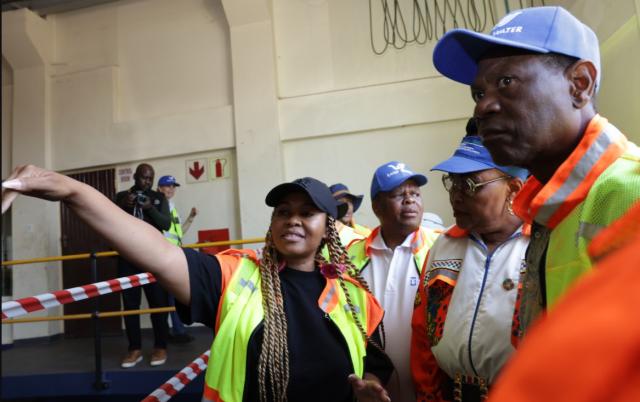
Water and Sanitation Minister Pemmy Majodina gave the new figure on Monday. She spoke during a visit to the area by the Inter-Ministerial Committee on Water and Sanitation, which is led by Deputy President Paul Mashatile.
No one has become critically ill, and no deaths have been reported so far.
Why the numbers went up
The government has already shut down the town’s water treatment plant. But Majodina said some water had been cleaned and sent out before the plant closed.
“We believe this may have contributed to the number of cases,” she said.
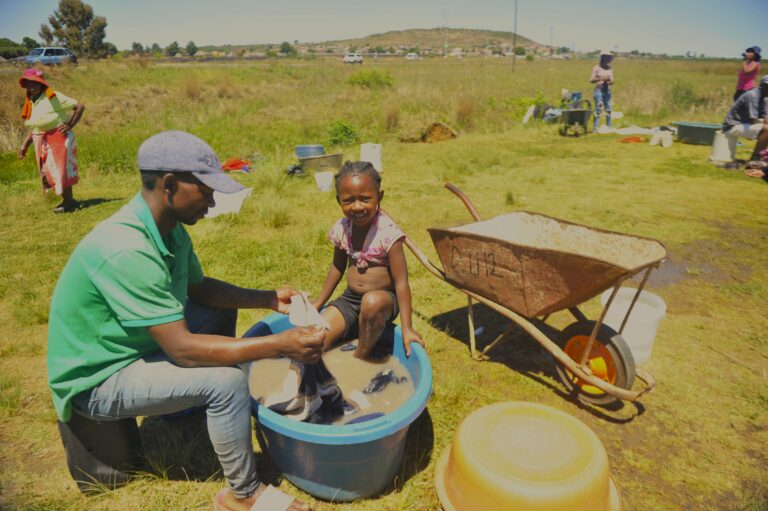
She said there was another reason. Even after water tankers arrived, some residents kept drinking water they had stored in containers at home.
“When we last briefed you, the number stood at 408. As of today, the number has risen to 833,” the Minister said.
Repairs at the plant
Four new water pumps have now been installed at the Bronkhorstspruit Water Treatment Plant. The plant has two parts, called phases, and Majodina said they would not be fixed all at once.
“We are working to restore Phase 1 at the plant,” she said.
Rand Water, the state water board, has been told to start with Phase 1. It must make sure the water is safe before it is sent to homes again. Until then, the Minister said, Tshwane must find other ways to supply water to residents.
Deputy President Mashatile said Rand Water is leading a team of experts from different fields who are working at the plant. They are acting for the national water department and working with the municipality.
“Rand Water will take a few weeks to resolve the problem. We cannot give a specific timeframe, but work has already begun,” he said.
He said government must work harder to stop more people from getting diarrhoea and other stomach illnesses.
Chlorine and tankers
Chlorine is the chemical used to kill germs in water. Some residents have worried it might run out. Majodina said the plant has enough for the next six to seven weeks. She said Rand Water and Tshwane have promised to buy more before it runs low.
The City of Tshwane is giving out free drinking water from tankers. The Minister said this cannot go on for long.
“I have always said they should be used for emergencies, and this is one such emergency,” she said. She added that tankers should not be needed for more than two or three months. They cost the municipality a lot of money, and residents must find out where the tankers are parked.
A wider problem
The Minister said there is no link between the water problems in Bronkhorstspruit and those in Hammanskraal, another part of Tshwane.
Government is also checking the condition of water treatment plants around the country. It is paying special attention to Gauteng, where many people live, and water supply is unreliable in some areas.
“Without an audit, we cannot properly assess the condition of these facilities,” Majodina said.
She said South Africa’s old water pipes and plants need at least R400 billion in repairs. She said government wants private companies to work with municipalities, because many councils do not have the right technology. She also wants municipalities, especially in Gauteng, to set aside money for maintenance.
“Infrastructure that is not maintained will eventually fail and cause problems,” she said.
Get the morning briefing
Our editors’ choice of the day’s stories, in your inbox at six.

Comments
No comments yet.