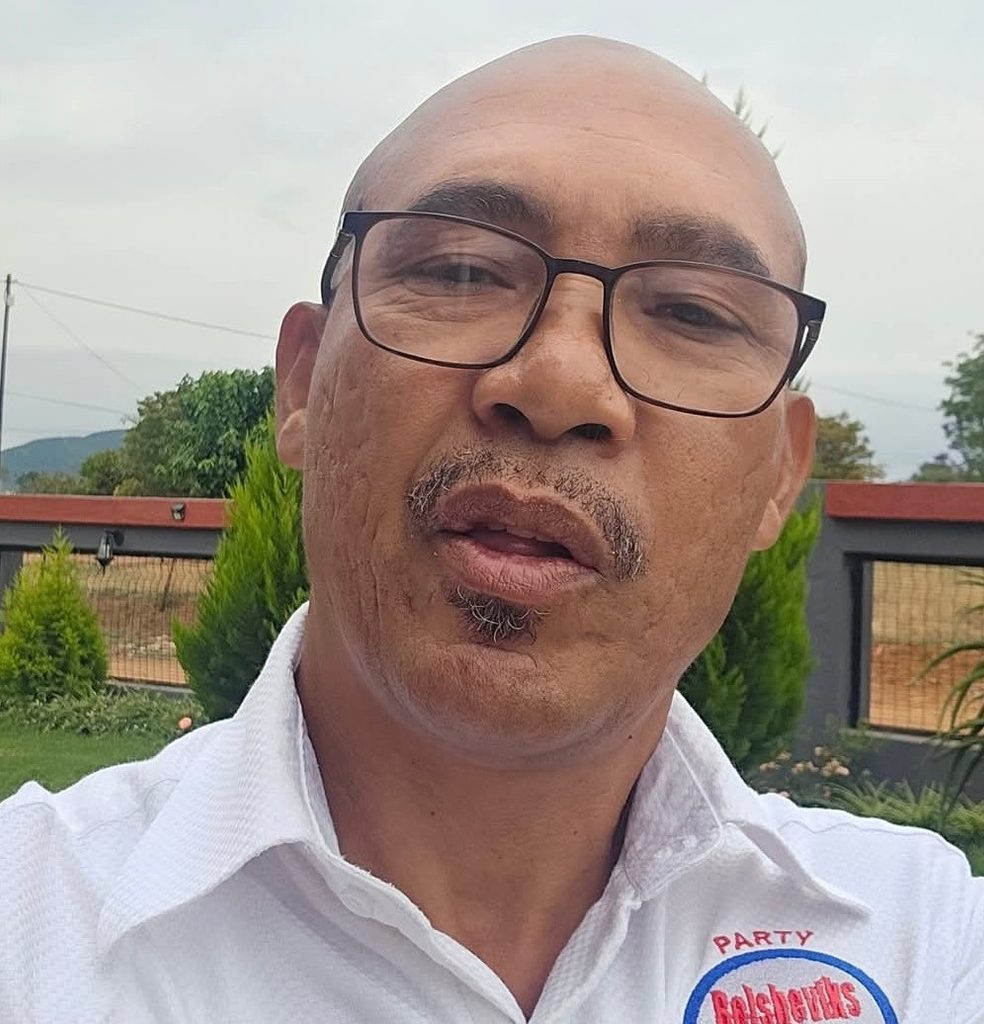
By Seun Mogotji
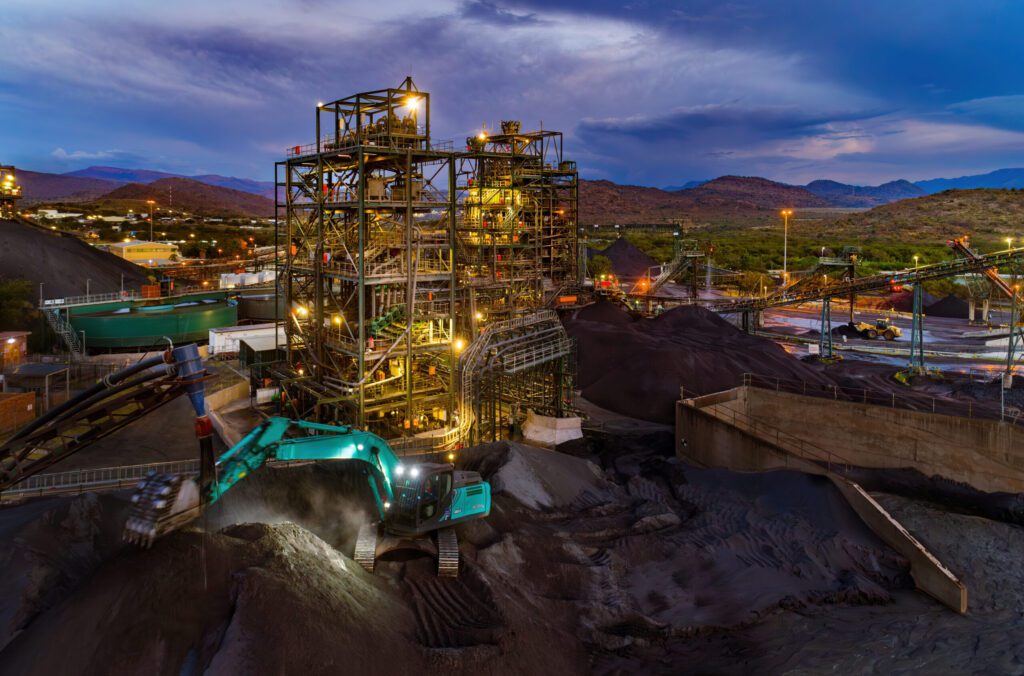
Stand anywhere in Sekhukhune, and you are standing on a fortune. Platinum, chrome and other minerals lie beneath our feet, the kind of wealth that builds factories, trains artisans, and gives families solid ground.
Yet look at what sits on the surface: young people with matric certificates and nothing to do, broken roads, taps that run dry, and a tavern or small shop on nearly every corner.
So I want to ask a simple question and demand an honest answer. How does a district with this much mineral wealth still struggle to turn it into a decent living for the people who call it home?
The answer is not a secret. The district’s own 2025/26 Integrated Development Plan admits that Sekhukhune’s place in the mining chain is mostly extraction, with very little local processing or beneficiation.
The rock leaves. The skilled jobs and the real money leave with it.
An Old Story, Still Being Told
This is not new. For generations, Africa has been where things are dug up while other places turn them into something valuable. The ore goes out as raw rock and comes back as machinery, batteries and car parts, at prices we had no hand in setting.
Mining companies will always report their tonnes and their profits.
I would like us to keep a different scorecard. How many local people hold stable, skilled jobs? How many local businesses exist because a mine opened next door? How many young people learned a trade they can carry for life?
Too often the honest answer is uncomfortable. Local people get the lowest-paid work, while the engineering contracts, technical posts and big supply deals go to people from elsewhere. A community that hosts a mine should be a partner in it, not a labour reserve.
Why a Tavern Is Not an Economic Plan
Now to the part some will not like. Consider what our people are actually able to start. With a modest sum, someone can open a spaza shop or a tavern. Nobody asks for an engineer’s report or a banker’s blessing.
But try to start a fabrication workshop, an equipment-repair business or a small processing plant, and the doors close. You need finance, machinery, technical backing, licences and connections that most of our people have never had access to.
Let me be clear, because this is easily twisted. I have no quarrel with those who run taverns. They are making a living in hard conditions and deserve respect, not a lecture. Selling liquor is a lawful trade, and those who do it are not the problem.
The problem is an economy in which the only door that opens easily is the one marked “survival”.
A tavern feeds a family and employs a handful of people. A workshop or processing plant supports hundreds: the welder, the truck driver, the bookkeeper, the maintenance contractor, the woman who caters for the staff.
These are different kinds of economies, and a district that has only the first kind will stay poor no matter how hard its people work.
We should also be honest that alcohol takes its toll on households and communities. But the answer is not to blame working people for the economy they were handed. It is to build better choices alongside the ones they already have.
The Law Already Says the Minerals Are Ours
The Mineral and Petroleum Resources Development Act of 2002 declares that South Africa’s minerals belong to all its people, with the state acting as custodian. It lists fair access and social and economic development among its goals. These are good words.
But a custodian cannot be an excuse for communities to stand by as spectators while decisions about their land are made elsewhere.
The question is not only who holds the mining right. It is who benefits from everything that follows: the processing, the contracts, the jobs, the spin-off businesses.
If those benefits stop at the mine gate, the law’s promise has not been kept.
What We Are Asking For
Complaining is easy, so here is what we propose.
A local plan with real numbers: Government, mining companies, unions, colleges and community representatives should sit down together and decide which industries can realistically be built in Sekhukhune. That means what they need in roads, power and skills, how they will be financed, and how many jobs they must create.
If processing or manufacturing can be done closer to the source, we should not settle for trucking raw material away.
Genuine routes to ownership: Worker cooperatives, community trusts and locally owned firms should have a fair, lawful path into mining-related work.
I say this knowing the risk: community ownership has too often become a way for the politically connected to feed on public money in the people’s name.
So support must come with open books, democratic decisions and results the community can check.
Money that ordinary people can reach: Development finance should come with training, technical help and access to markets. A good idea should not die because its owner lacks wealth or the right contacts.
Open contracts: Mines and public bodies should publish what work is available and who wins it, so local firms can compete fairly for transport, catering, construction, protective clothing, repairs and more.
Where promises are made to local suppliers, someone independent should check that they are kept and report back to the community.
Skills that lead to jobs: Mines, TVET colleges, universities and local firms should design training around work that actually exists, with apprenticeships and workplace experience built in.
Young people have enough certificates gathering dust in drawers. They need pathways into engineering, maintenance, fabrication, geology, renewable energy and agriculture.
A life beyond the mine: Minerals run out, and mining fluctuates. Farmers need irrigation, storage, processing facilities and reliable transport. Agro-processing, tourism, building materials and renewable energy can all grow here.
A district that depends on one industry is only one bad year away from crisis.
Results people can see: Mining wealth should show up as dependable water, decent roads, sanitation, clinics and schools. Communities should be able to see what was budgeted, what was spent, what was delivered and who answers when promises fail.
Development is not an announcement at a public meeting. It is something you can drive on, drink or walk into.
Justice, Not Charity
The Bolsheviks Party of South Africa holds a socialist position, and I will state it simply. The country’s natural resources should serve the public, and the people who create wealth should have a real voice in how it is owned, shared and invested.
That means loosening the grip of a few distant owners and building ways for workers and communities to take part in decisions that shape their lives. It does not mean replacing one unaccountable elite with another.
None of this can be won with slogans. It needs careful planning, honest accounting, patient organising and the discipline to follow money from budget to delivery. But neither should we accept the present arrangement as if it were fate. Nothing about it was handed down from heaven. People designed it, and people can change it.
Our communities do not need another round of speeches about development, or a corporate social responsibility project with a ribbon-cutting and a photograph. They need power: the power to build, to own, to be hired for their skill and not only their labour, and to shape their own future.
Picture a young woman in Sekhukhune who finishes her apprenticeship, finds financing for her own engineering workshop, and hires her neighbours.
Picture a cooperative processing the chrome that once left the district untouched. Picture farmers selling finished produce instead of raw harvests.
None of this is fantasy. It is a choice, and so far it has not been made for us.
So I call on workers, young people, community organisations, traditional leaders, small business owners and everyone who believes in a fair economy to demand a transparent, measurable plan for the district.
Stop treating Sekhukhune as a place to extract from. Build one where our people can own, make, process and prosper.
The wealth beneath our feet should become a future for the people who live above it.
Seun Mogotji is the General Secretary of the BSPSA.
Get the morning briefing
Our editors’ choice of the day’s stories, in your inbox at six.



Comments
No comments yet.